

A $6,000 Class 3 commuter disappears from a Boulder bike rack. A rider on a Front Range path clips a pedestrian. A battery gets fried during a summer hailstorm while the bike sits under a carport. All three of these happen to Colorado riders, and most people assume their homeowners or renters policy will cover them. Often, it won't, or it covers far less than they expect.
E-bike insurance in Colorado sits in an awkward middle ground. Your bike isn't a motor vehicle, so auto coverage usually doesn't apply. It's also worth more and is more exposed than a standard bicycle, which strains the limits built into home policies. Add a patchwork of city trail rules, new battery certification requirements, and the reality that e-bikes are prime theft targets, and you get plenty of room for an unpleasant surprise at claim time.
This guide walks through the risks Colorado e-bike owners face: theft, crash damage, battery failure, liability, and trail access. It covers which policies handle each one and where the gaps tend to show up. The goal is simple. If something goes wrong on your ride, you should already know who pays.
Understanding E-Bike Classifications and Colorado Law
Your bike's class shapes where you can ride it and how insurers view it. Colorado uses the common three-class system. Class 1 and Class 2 bikes top out at 20 mph of assisted speed. Class 1 is pedal-assist only, while Class 2 adds a throttle. Class 3 bikes assist up to 28 mph, and riders must be at least 16 years old.
The line between an e-bike and something else matters more than most buyers realize. Colorado's Attorney General has warned that marketing vehicles over 750W or 28 mph as "e-bikes" counts as a deceptive trade practice under the Colorado Consumer Protection Act. If you bought a powerful "e-bike" online that exceeds those limits, an insurer may treat it as an electric motorcycle. That reclassification can void bicycle coverage entirely.
Battery rules changed recently too. Under House Bill 25-1197,
e-bike lithium-ion batteries sold in Colorado must be certified by an accredited testing lab under standards like UL 2849 or EN 15194. Keep your purchase receipt and the certification label on file. If a battery fire damages your garage, the adjuster will ask what was charging.

By: Brian J. Cook
Founder & Managing Partner of The Insurance Loft
Theft Protection and Homeowners Insurance Gaps
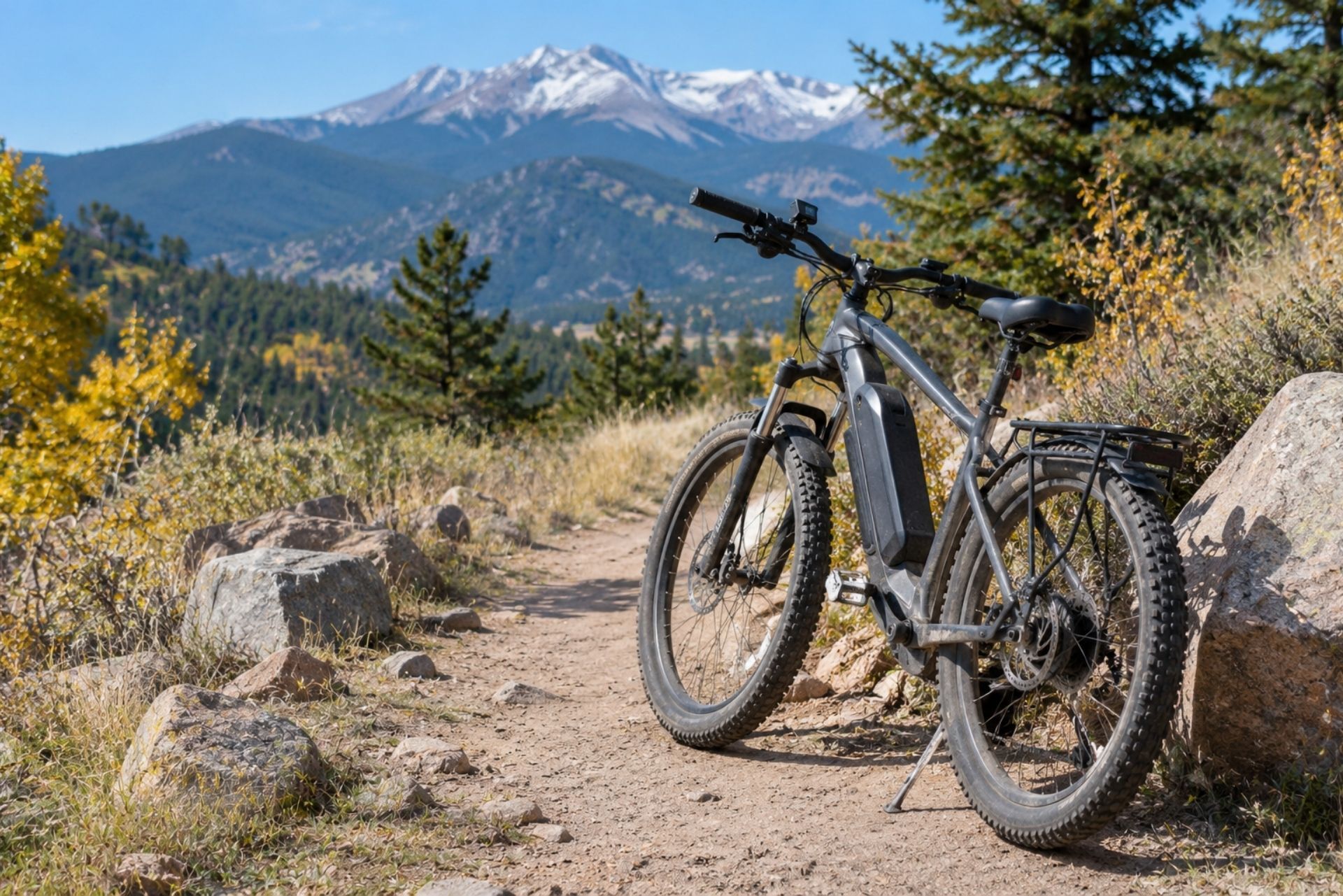
Theft is the big one. A 2026 buyer's guide put it bluntly: an e-bike is stolen far more often than a non-electric bike, and it's the only category where theft outpaces accidents. Denver, Boulder, and Fort Collins all have active bike theft problems, and a $4,000 bike locked outside a brewery makes an easy target.
Homeowners and renters policies do cover personal property theft, but several gaps catch riders off guard:
- Deductibles eat the claim. With a $1,500 or $2,500 deductible, which is common after recent Front Range hail-driven rate hikes, a mid-range e-bike claim may pay little.
- Sub-limits apply. Some policies cap bicycle or "motorized" property, and some exclude motorized vehicles outright.
- Claims history follows you. A theft claim on your home policy can affect your renewal pricing for years.
- Off-premises limits. Some policies reduce coverage for property stolen away from your home.
One common mistake is buying a pricey bike and never telling your agent. Scheduling the bike on your policy or buying a standalone plan often fixes most of these problems.
Coverage for Crash Damage and Battery Failures
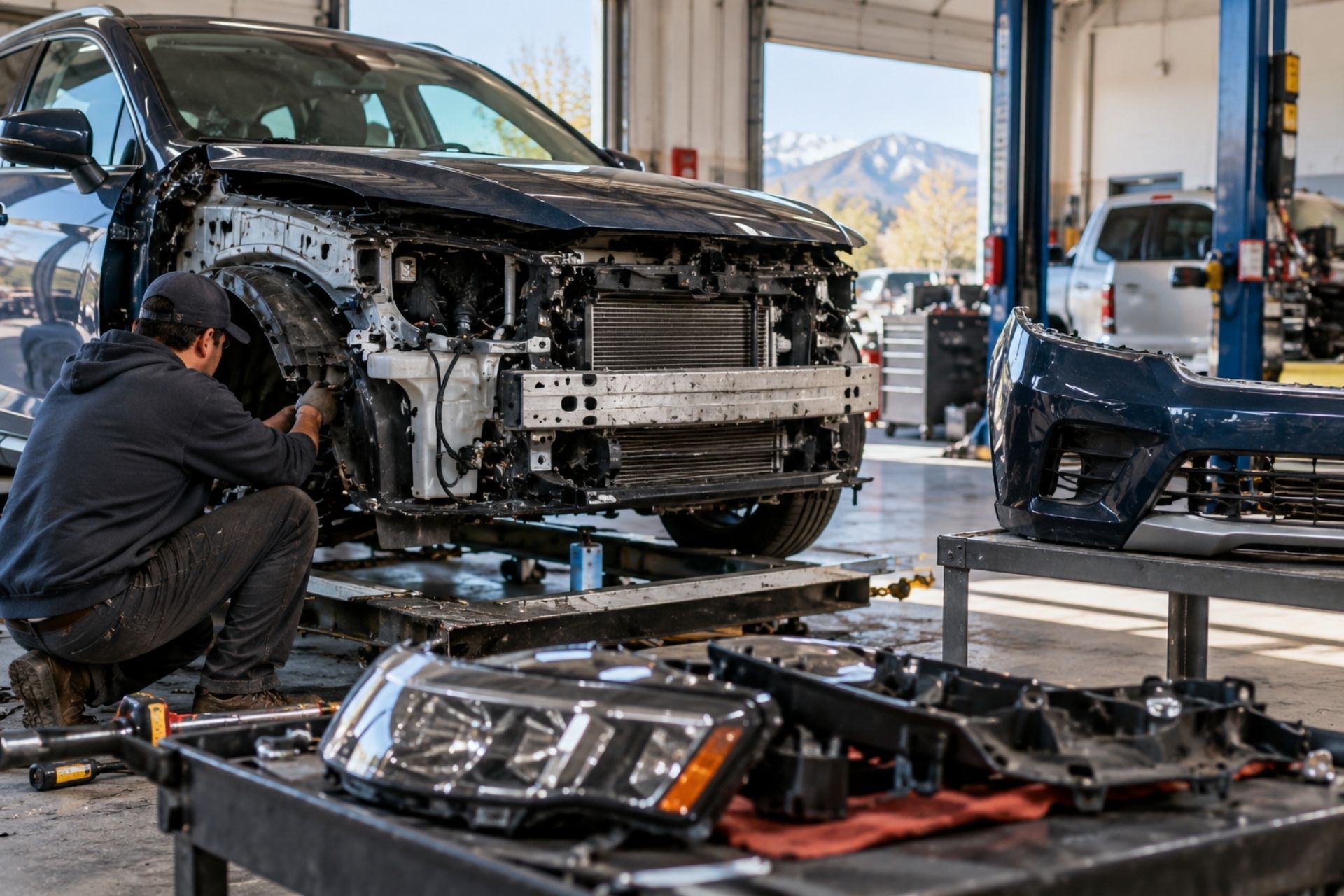
Crash damage is where standard policies fall shortest. Homeowners insurance covers named perils like fire, theft, and wind. It generally doesn't pay when you lay the bike down on loose gravel near Lyons and crack the frame.
Protection Against Mechanical and Electrical Breakdown
Batteries and motors are the most expensive parts of an e-bike, and they fail in ways insurance rarely anticipates. A manufacturer warranty usually covers defects for a limited period. It won't cover water intrusion after a creek crossing, impact damage, or a battery that degrades early after repeated cold-weather charging in a Leadville garage.
Some specialized e-bike policies offer mechanical or electrical breakdown add-ons. Read the language closely. Many exclude "wear and tear" and gradual capacity loss, covering only sudden failure. Ask whether the policy pays for a replacement battery or only a repair, and whether uncertified aftermarket batteries void the claim.
Collision and Comprehensive Coverage Differences
These terms come from auto insurance, and dedicated e-bike policies borrow them:
- Collision-style coverage pays to repair or replace your bike after a crash, whether you hit a car, a curb, or a rock.
- Comprehensive-style coverage handles non-crash events like theft, vandalism, fire, and hail.
If you ride aggressive singletrack, collision coverage matters most. If your bike mostly sits at a Denver light rail station, theft and vandalism protection should come first.
Liability and Trail Access in the Rockies
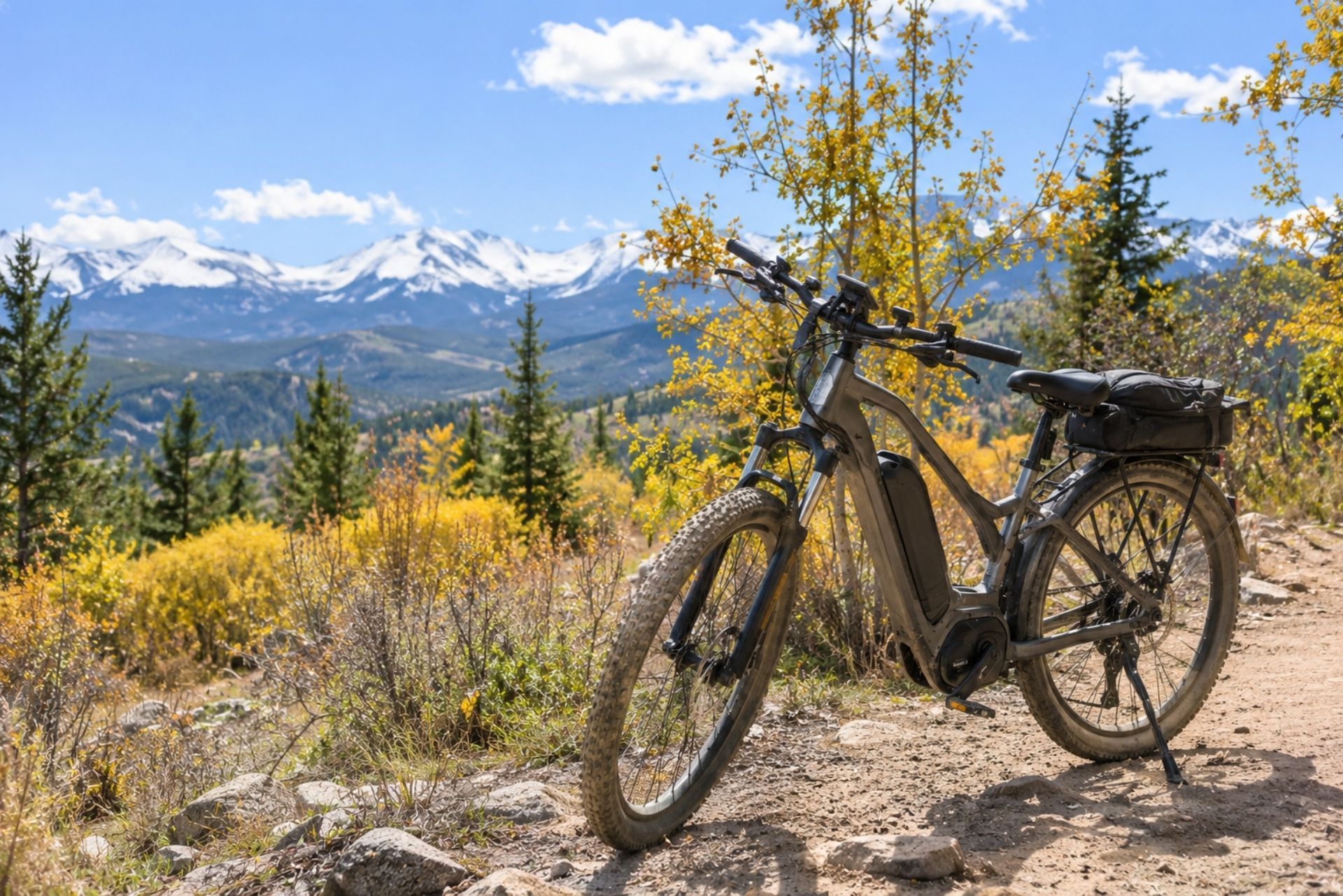
Liability is the coverage people think about least and need most. If you injure a hiker on a shared path or sideswipe a parked Tesla, you can be sued personally. Homeowners and renters liability often extends to bicycle incidents. The catch is that some policies exclude "motorized" vehicles, and a throttle-equipped Class 2 bike may land in a gray zone. Get your agent to confirm in writing.
Where you ride affects your exposure, and rules vary by town. Centennial's Ordinance 2026-O-13 bans Class 3 e-bikes and electric motorcycles from all city trails and sidewalks. In El Paso County, Monument has banned e-motos and electric dirt bikes from town streets and parks, with fines reaching $1,000.
Here's what that means for you. Riding where your bike isn't allowed can hand an insurer grounds to contest a claim, and it strengthens the other side's case in a lawsuit. Before you hit a new trail, check the local rules, especially on county open space and federal land, where
motorized restrictions are common. Riders with real assets should also consider an umbrella policy, which sits above your home liability limits.
Comparing Specialized E-Bike Policies vs. Standard Insurance
There's no single best e-bike coverage in Colorado for everyone. It depends on your bike's value, where you store it, and how you ride. This table shows the typical differences:
| Coverage Area | Homeowners/Renters | Specialized E-Bike Policy |
|---|---|---|
| Theft at home | Usually yes | Yes |
| Theft away from home | Sometimes limited | Usually yes |
| Crash damage | Rarely | Often included |
| Battery/motor breakdown | No | Sometimes, as add-on |
| Liability | Often, check motorized exclusions | Often included |
| Medical payments | Limited | Sometimes |
| Deductible | Matches home policy | Often lower |
| Impact on home claims history | Yes | No |
Standard insurance works fine for a modest bike stored in a locked garage, especially if you already have solid liability limits. Once your bike runs a few thousand dollars, a standalone policy usually earns its cost through lower deductibles and crash coverage.
When you shop, compare apples to apples: match the coverage limits, deductibles, and exclusions exactly. A cheaper quote that skips off-premises theft isn't cheaper if your bike gets stolen downtown.
Common Questions for Colorado Riders
Does my car insurance cover my e-bike? Almost never. Auto policies cover registered motor vehicles, and legal Colorado e-bikes don't fall into that category.
Do I need insurance to ride an e-bike in Colorado? No state law requires it for Class 1, 2, or 3 bikes. You're still personally responsible for damage or injuries you cause.
Will my homeowners policy pay if my e-bike is stolen from my car rack? Possibly, but your deductible applies, and some policies limit off-premises theft. Check your declarations page or ask your agent.
Is a battery fire covered? Fire damage to your home is generally covered under homeowners insurance. The battery itself may not be, and an uncertified battery can complicate the claim.
Does a Class 3 bike cost more to insure? Often yes, since higher speeds mean more crash and liability risk. Prices vary by carrier and by how you use the bike.
What if my "e-bike" is over 750W? It may be classified as an electric motorcycle, which typically needs different coverage. Bicycle policies may refuse the claim.
Making the Right Choice for Your Ride
Start with three questions: What would it cost to replace your bike? Where does it sit most of the day? Could you cover a lawsuit if you hurt someone? Your answers point you toward the right mix. That might be a scheduled item on your homeowners policy, a dedicated e-bike plan, an umbrella, or some combination.
Keep your receipts, serial number, and battery certification documents somewhere outside the garage. Review your coverage every year, especially after you upgrade bikes or add a family rider. Check carrier claims satisfaction ratings, too. A low premium means little if the company fights every theft claim.
The Insurance Loft is an independent agency that works with carriers including Nationwide, Travelers, Progressive, Safeco, and Chubb. A licensed advisor can compare e-bike, home, and umbrella options side by side and spot the motorized exclusions that trip people up. Reach out before your next ride. Sorting this out now beats learning about a coverage gap from a claims adjuster.
COVERAGE FOR YOUR LIFE
Personal Insurance Plans That Protect What Matters Most
From your home and car to your family and pets — we cover it all.
GET THE ANSWERS YOU NEED
Common Questions About The Insurance Loft
We believe informed clients make better coverage decisions. Here are the questions we hear most often.
What does it mean to be an independent insurance agency?
An independent insurance agency like The Insurance Loft is not tied to a single insurance company. We are licensed to work with multiple carriers — including Nationwide, Travelers, Progressive, Safeco, Chubb, and others — so we can compare options and find the best policy for your needs. When you work with a captive agent, you only see what that one company offers. When you work with us, you see the full market.
This independence also means we represent you, not the carrier. When a claim arises or your coverage needs to change, your advisor advocates for your interests — not the insurance company's bottom line. That is the core of what makes The Insurance Loft different.
Where is The Insurance Loft located and who do you serve?
The Insurance Loft is headquartered in Greenwood Village, Colorado, in the Denver Tech Center area. We serve individuals and families throughout Colorado — from the Denver Metro and Front Range to Colorado Springs, Boulder, Fort Collins, mountain communities, and beyond. Our office is conveniently located at 5990 Greenwood Plaza Blvd, Ste 270, Greenwood Village, CO 80111.
Whether you are a longtime Colorado resident or just moved to the state, The Insurance Loft can help you find the right personal insurance coverage. Our advisors understand Colorado's specific risks and regulations, and they know which carriers offer the best coverage options for your area. Call us at 800-409-9790 or schedule a call online to get started.
What types of insurance does The Insurance Loft offer?
We offer a full range of personal and commercial insurance products. On the personal side, we cover home, auto, renters, life, motorcycle, umbrella, and pet insurance. For businesses, we provide general liability, commercial property, workers compensation, professional liability, business auto, and specialty coverage for industries like construction, food and beverage, brewery, and cannabis operations.
We also offer surety bonds for businesses that require them. Our goal is to be your single resource for every insurance need — personal or commercial — throughout your life and the life of your business. If you are unsure what coverage you need, schedule a call and an advisor will walk you through your options at no cost.
What carriers does The Insurance Loft work with?
The Insurance Loft partners with more than 19 trusted insurance carriers to give clients access to a wide range of options. Our featured carrier partners include Nationwide, Travelers, Progressive, Safeco Insurance, Chubb, and Hagerty Insurance for collector vehicles. Each carrier brings different strengths, pricing structures, and coverage specialties, which is why having access to multiple companies matters.
Because we work with a diverse group of carriers, we are not pressured to place policies with any single company. Your advisor reviews your situation, identifies which carriers best match your needs, and presents your options clearly. This process consistently delivers better coverage at competitive prices compared to going directly to a single insurance company.
How does The Insurance Loft handle the claims process ?
When you need to file a claim, your dedicated Insurance Loft advisor is your first call. We provide claims support through our Member Services team and guide you through the process with your carrier. You will not be left to figure it out alone. Our advisors help you understand what your policy covers, what documentation is needed, and what to expect from the timeline.
You can also access claims support directly through our Member Services portal at theinsuranceloft.com. Our goal is to make the claims process as clear and stress-free as possible so you can focus on recovery. For urgent claims assistance, contact our Customer Care team at 800-409-9790 during business hours, Monday through Friday, 9 AM to 6 PM.
Why should I review my insurance coverage every year?
Your life changes constantly — and your insurance should change with it. A new home, a new vehicle, a renovation, a new employee, a business expansion, or a change in your income can all affect how much coverage you need. Reviewing your policy annually helps make sure you are not paying for coverage you no longer need, and that you are not underinsured in areas where your exposure has grown.
The Insurance Loft advisors proactively reach out at renewal time to review your current policies and flag anything that needs attention. Major life events like buying a home, starting a business, getting married, or having children are all good reasons to schedule an earlier review. Contact your advisor or call 800-409-9790 to set up a coverage review at any time.
INSURANCE KNOWLEDGE, MADE SIMPLE
Learn From Our Resource Center
Practical answers to real insurance questions — written by the advisors who help clients every day.

CONTACT US
Phone Number: 1-800-409-9790