

Living in Longmont means understanding that water can be both a blessing and a threat. The St. Vrain Creek provides stunning natural beauty and recreational opportunities, but it also creates genuine flood risk that catches many homeowners off guard. After the 2013 floods reshaped how Colorado communities think about water management, flood insurance in Longmont has become essential for protecting your home and finances.
Here's what most people don't realize: standard homeowners insurance doesn't cover flood damage. Not a single drop. Whether you're in a designated high-risk zone or sitting on higher ground, a separate flood policy is the only way to protect yourself from water damage caused by rising waters, storm runoff, or overwhelmed drainage systems. The good news is that Longmont residents have real advantages when it comes to flood coverage, including community discounts and infrastructure improvements that can lower your premiums. Understanding your risk zone, comparing policy options, and knowing which factors affect your rates can save you thousands over time.
Understanding Flood Risks in Longmont and the St. Vrain Basin
The St. Vrain Basin isn't just a geographic feature on a map. It's the primary drainage system that determines flood risk for thousands of Longmont properties. Water from the Rocky Mountain foothills flows through this basin, and when heavy rainfall or rapid snowmelt occurs, the creek and its tributaries can rise dramatically within hours.
Historical Context: Lessons from the 2013 Flood
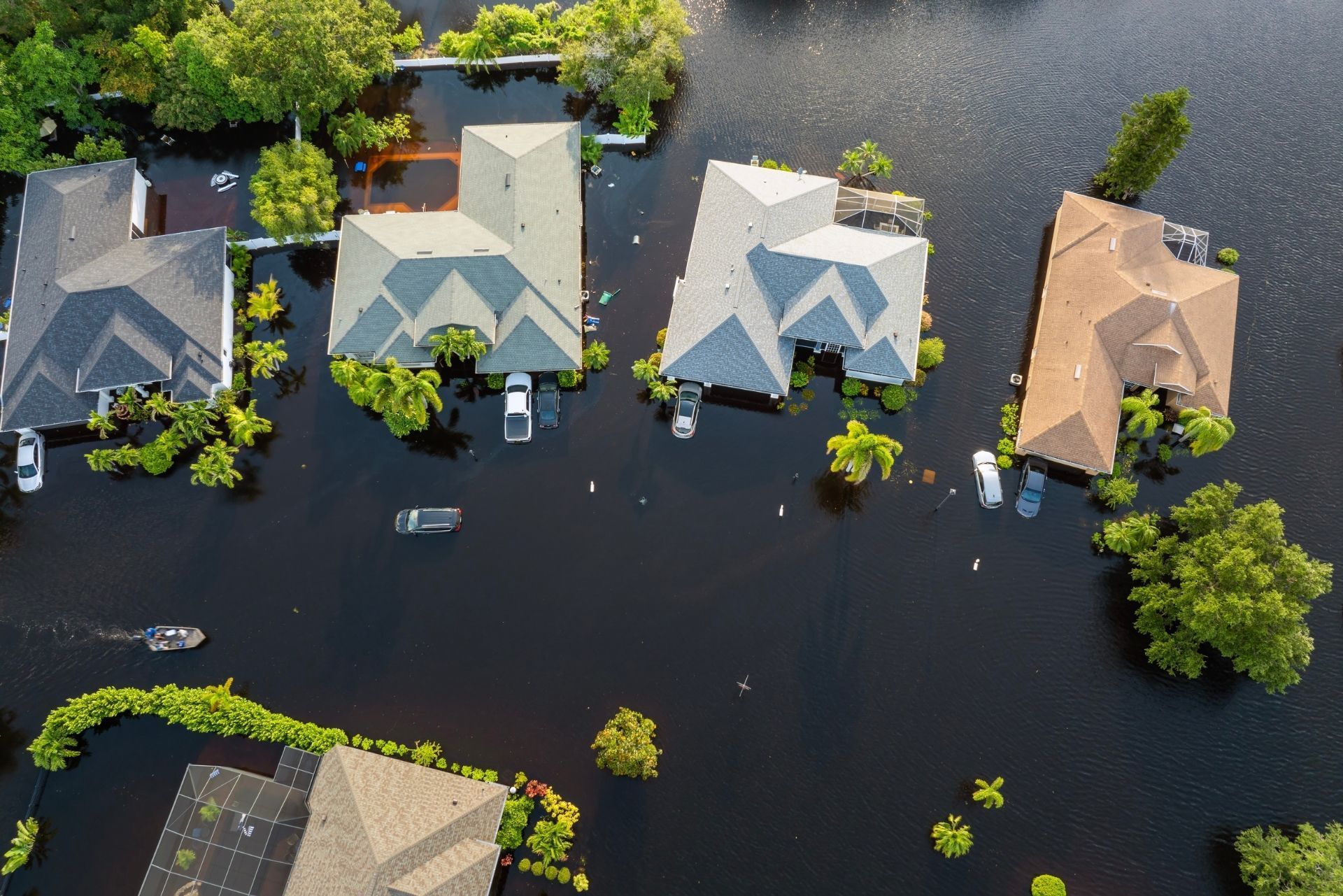
September 2013 changed everything for Longmont. Over several days, unprecedented rainfall caused the St. Vrain Creek to overflow, devastating neighborhoods and infrastructure across the city. The St. Vrain Creek caused nearly $150 million in infrastructure damage alone, not counting private property losses that pushed the total much higher.
What made this flood particularly destructive was its duration. Rather than a quick surge, water continued rising and flowing for days, saturating foundations and destroying homes that had never flooded before. Properties outside traditional flood zones experienced significant damage, proving that flood risk extends beyond the lines drawn on FEMA maps.
The Role of the St. Vrain Creek and Local Drainage Systems
The St. Vrain Creek runs directly through Longmont, with numerous smaller tributaries and drainage channels feeding into it. When the main creek rises, these secondary channels can back up, pushing water into areas that seem far from any waterway. Storm drains designed for typical rainfall can't handle extreme events, creating localized flooding even in developed neighborhoods.
The city has invested heavily in improving drainage capacity since 2013, but no system can eliminate flood risk entirely. Properties near any waterway, detention pond, or low-lying area face exposure that many homeowners underestimate.


By: Brian J. Cook
Founder & Managing Partner of The Insurance Loft
FEMA Flood Maps and Local Zoning Classifications
FEMA flood maps determine your insurance requirements and heavily influence your premium costs. These maps divide areas into risk zones based on historical data, topography, and hydrology studies. Understanding your zone classification is the first step toward making informed coverage decisions.
High-Risk vs. Moderate-to-Low Risk Zones (SFHAs)
Special Flood Hazard Areas, commonly called SFHAs or high-risk zones, carry mandatory flood insurance requirements for federally backed mortgages. These zones, labeled with letters like AE or A, indicate a 1% annual chance of flooding, often called the "100-year flood" designation. That term is misleading though. A 1% annual chance means there's a 26% probability of flooding at least once over a 30-year mortgage.
Moderate-to-low risk zones, labeled B, C, or X, don't require flood insurance for most mortgages, but that doesn't mean they're safe. Nearly 25% of all flood claims come from properties outside high-risk zones. Flood insurance in high-risk areas of Colorado can range from $1,000 to $5,000 or more annually, while moderate-risk properties typically pay significantly less.
How to Use Longmont's Interactive Floodplain Map
Longmont provides an interactive floodplain map through its GIS portal that shows current FEMA designations overlaid on property boundaries. You can enter your address and see exactly where your property falls relative to flood zones, drainage channels, and the St. Vrain Creek.
The map also shows areas affected by the Resilient St. Vrain Project improvements, which may affect your risk classification. Check this map before purchasing property, and revisit it periodically since FEMA updates zone designations as new data becomes available.
Your flood insurance premium depends on multiple variables, and understanding them helps you find opportunities to reduce costs. Colorado's average flood insurance premium is around $860 per year through the NFIP, but individual rates vary dramatically based on property-specific factors.
Impact of the Resilient St. Vrain Project on Rates
Following the 2013 flood, Longmont launched the Resilient St. Vrain Project, a comprehensive infrastructure improvement program designed to reduce flood risk and improve recovery capabilities. These improvements include channel widening, bridge replacements, and enhanced detention areas.
As noted by local officials, rising insurance costs reflect a "perfect storm" of national and local factors, but infrastructure investments can help offset some of these increases. Properties benefiting from completed project phases may see reduced risk classifications, potentially lowering premiums over time.
NFIP Rating Variables: Elevation and Property Age
The National Flood Insurance Program uses Risk Rating 2.0, which considers your property's elevation relative to the Base Flood Elevation, distance from water sources, flood frequency, and replacement cost. Older homes often face higher premiums because they were built before modern floodplain regulations required elevated construction.
Your foundation type matters too. Homes with basements typically cost more to insure than slab-on-grade construction because basement flooding is more likely and more expensive to remediate. Properties with flood vents or other mitigation features may qualify for reduced rates.
The NFIP isn't your only option for flood coverage. Private insurers have entered the market with competitive products that sometimes offer better terms, higher limits, or lower premiums. Working with an independent agency like The Insurance Loft means you can compare both options to find the best fit for your situation.
Standard Coverage Limits for Structure and Contents
| Coverage Type | NFIP Maximum | Private Options |
|---|---|---|
| Building Coverage | $250,000 | Often $500,000+ |
| Contents Coverage | $100,000 | Varies by carrier |
| Replacement Cost | Limited | Often available |
| Waiting Period | 30 days | Sometimes shorter |
NFIP policies cap residential building coverage at $250,000 and contents at $100,000. For homes valued above these limits, you'll need supplemental coverage to avoid being underinsured. Private carriers often provide higher limits and may include replacement cost coverage rather than actual cash value.
Benefits of Private Excess Flood Insurance
Excess flood policies sit on top of your primary NFIP policy, providing additional coverage once you exhaust the base limits. These policies are particularly valuable for higher-value homes or those with expensive contents.
Private excess coverage can also fill gaps in NFIP policies, such as additional living expenses if you're displaced during repairs. Some private carriers offer standalone policies that replace NFIP coverage entirely, though availability varies by property and risk zone.
Installing smart water sensors and flood vents can reduce claim severity by up to 40%, making your property more attractive to private insurers.
Mandatory Purchase Requirements and Compliance
If you have a federally backed mortgage on a property in a high-risk flood zone, you must carry flood insurance. This requirement applies to loans from banks, credit unions, and other lenders regulated by federal agencies. Lenders can force-place flood insurance if you let coverage lapse, and force-placed policies typically cost significantly more than policies you purchase yourself.
Even without a mortgage requirement, flood insurance makes financial sense for most Longmont properties given the area's flood history. FEMA disaster assistance, when available, typically comes as loans that must be repaid, not grants. A flood policy provides certainty that insurance proceeds will help you rebuild.
Steps to Secure and Lower Your Longmont Flood Policy
Getting the right flood policy at the best price requires some legwork, but the savings can be substantial. Start by understanding your property's specific risk factors, then work with an agent who can shop multiple options.
Obtaining an Elevation Certificate
An Elevation Certificate documents your property's elevation relative to the Base Flood Elevation for your zone. This survey, completed by a licensed surveyor or engineer, provides the data insurers need to accurately rate your property. If your home sits higher than the BFE, you may qualify for significantly lower premiums.
The certificate costs $200 to $500 typically, but can save you thousands over time if it demonstrates lower-than-expected risk. Some older properties may have certificates on file with the city from previous transactions.
Community Rating System (CRS) Discounts for Residents
Longmont participates in FEMA's Community Rating System, which rewards communities that exceed minimum floodplain management standards. Because of this participation, Longmont offers a 25% discount on flood insurance premiums for properties in high-risk zones and smaller discounts for moderate-risk properties.
This discount applies automatically to NFIP policies, but you should verify it appears on your declarations page. The discount reflects Longmont's investment in flood mapping, public education, and infrastructure improvements.
Frequently Asked Questions
Do I need flood insurance if I'm not in a flood zone? Technically, no mortgage requirement exists for moderate-risk zones, but roughly one-quarter of all flood claims come from these areas. Preferred Risk Policies offer affordable coverage for lower-risk properties.
How long before my flood policy takes effect? NFIP policies have a standard 30-day waiting period. Some private carriers offer shorter waiting periods, but don't wait until a storm is forecast to purchase coverage.
Can I get flood insurance if I've flooded before? Yes, the NFIP cannot deny coverage based on claims history. However, rates may be higher, and private insurers may decline coverage for properties with multiple claims.
What's the difference between flood damage and water damage? Flood insurance covers rising water from external sources. Your homeowners policy covers sudden internal water damage like burst pipes. Sewer backup requires separate coverage.
How do I know if my rate is competitive? Compare quotes from both NFIP and private carriers. An independent broker like The Insurance Loft can pull multiple options and explain the coverage differences.
Flood insurance in Longmont isn't optional for many homeowners, and it's worth serious consideration for everyone else. Start by checking your flood zone on Longmont's interactive map, then request an Elevation Certificate if you don't have one. Compare NFIP and private market quotes before choosing a policy, and make sure you're receiving the CRS discount you're entitled to.
The Insurance Loft works with multiple carriers and can help you find coverage that fits your property and budget. Don't wait for the next major storm to discover gaps in your protection.
ABOUT THE AUTHOR:
Brian J. Cook
I'm Brian J. Cook, co-founder and Managing Partner of The Insurance Loft, an independent insurance agency headquartered in Greenwood Village, Colorado. With a client-first approach to personal insurance, I help Colorado homeowners, drivers, and families find the right coverage — without the limitations of working with a single-carrier agent.
COVERAGE FOR YOUR LIFE
Personal Insurance Plans That Protect What Matters Most
From your home and car to your family and pets — we cover it all.
GET THE ANSWERS YOU NEED
Common Questions About The Insurance Loft
We believe informed clients make better coverage decisions. Here are the questions we hear most often.
What does it mean to be an independent insurance agency?
An independent insurance agency like The Insurance Loft is not tied to a single insurance company. We are licensed to work with multiple carriers — including Nationwide, Travelers, Progressive, Safeco, Chubb, and others — so we can compare options and find the best policy for your needs. When you work with a captive agent, you only see what that one company offers. When you work with us, you see the full market.
This independence also means we represent you, not the carrier. When a claim arises or your coverage needs to change, your advisor advocates for your interests — not the insurance company's bottom line. That is the core of what makes The Insurance Loft different.
Where is The Insurance Loft located and who do you serve?
The Insurance Loft is headquartered in Greenwood Village, Colorado, in the Denver Tech Center area. We serve individuals and families throughout Colorado — from the Denver Metro and Front Range to Colorado Springs, Boulder, Fort Collins, mountain communities, and beyond. Our office is conveniently located at 5990 Greenwood Plaza Blvd, Ste 270, Greenwood Village, CO 80111.
Whether you are a longtime Colorado resident or just moved to the state, The Insurance Loft can help you find the right personal insurance coverage. Our advisors understand Colorado's specific risks and regulations, and they know which carriers offer the best coverage options for your area. Call us at 800-409-9790 or schedule a call online to get started.
What types of insurance does The Insurance Loft offer?
We offer a full range of personal and commercial insurance products. On the personal side, we cover home, auto, renters, life, motorcycle, umbrella, and pet insurance. For businesses, we provide general liability, commercial property, workers compensation, professional liability, business auto, and specialty coverage for industries like construction, food and beverage, brewery, and cannabis operations.
We also offer surety bonds for businesses that require them. Our goal is to be your single resource for every insurance need — personal or commercial — throughout your life and the life of your business. If you are unsure what coverage you need, schedule a call and an advisor will walk you through your options at no cost.
What carriers does The Insurance Loft work with?
The Insurance Loft partners with more than 19 trusted insurance carriers to give clients access to a wide range of options. Our featured carrier partners include Nationwide, Travelers, Progressive, Safeco Insurance, Chubb, and Hagerty Insurance for collector vehicles. Each carrier brings different strengths, pricing structures, and coverage specialties, which is why having access to multiple companies matters.
Because we work with a diverse group of carriers, we are not pressured to place policies with any single company. Your advisor reviews your situation, identifies which carriers best match your needs, and presents your options clearly. This process consistently delivers better coverage at competitive prices compared to going directly to a single insurance company.
How does The Insurance Loft handle the claims process ?
When you need to file a claim, your dedicated Insurance Loft advisor is your first call. We provide claims support through our Member Services team and guide you through the process with your carrier. You will not be left to figure it out alone. Our advisors help you understand what your policy covers, what documentation is needed, and what to expect from the timeline.
You can also access claims support directly through our Member Services portal at theinsuranceloft.com. Our goal is to make the claims process as clear and stress-free as possible so you can focus on recovery. For urgent claims assistance, contact our Customer Care team at 800-409-9790 during business hours, Monday through Friday, 9 AM to 6 PM.
Why should I review my insurance coverage every year?
Your life changes constantly — and your insurance should change with it. A new home, a new vehicle, a renovation, a new employee, a business expansion, or a change in your income can all affect how much coverage you need. Reviewing your policy annually helps make sure you are not paying for coverage you no longer need, and that you are not underinsured in areas where your exposure has grown.
The Insurance Loft advisors proactively reach out at renewal time to review your current policies and flag anything that needs attention. Major life events like buying a home, starting a business, getting married, or having children are all good reasons to schedule an earlier review. Contact your advisor or call 800-409-9790 to set up a coverage review at any time.
INSURANCE KNOWLEDGE, MADE SIMPLE
Learn From Our Resource Center
Practical answers to real insurance questions — written by the advisors who help clients every day.



CONTACT US
Phone Number: 1-800-409-9790