
See How We're Different
Call Us: 1-800-409-9790
Colorado drivers are embracing electric vehicles at a pace that outstrips nearly every other state. In Q3 2025, EVs accounted for 32.4% of new vehicle sales in Colorado, the highest single-quarter percentage for any state in the country. That surge means thousands of new EV owners are discovering something their dealership probably glossed over: insuring an electric vehicle costs more than insuring a comparable gas-powered car.
The average Colorado driver pays around $2,580 per year for EV insurance, roughly 15% above the national average. Those numbers catch many buyers off guard, especially after they calculated fuel savings and maintenance reductions. Understanding why these premiums run higher and how to reduce them can save you hundreds annually. Colorado's unique combination of mountain driving, hail-prone weather, and rapid EV adoption creates insurance dynamics that differ from what you might read in national guides. What EV owners need to know goes beyond basic coverage requirements into territory that directly impacts your wallet.
The Colorado EV Landscape and Insurance Basics
State-Specific Mandates for Electric Vehicles
Colorado requires all drivers to carry minimum liability coverage: $25,000 per person for bodily injury, $50,000 per accident, and $15,000 for property damage. These minimums apply equally to EVs and gas vehicles. However, most EV owners quickly realize that state minimums fall dangerously short when protecting a $45,000 or $60,000 vehicle.
The state doesn't mandate comprehensive or collision coverage, but your lender almost certainly will. Given that EVs typically cost more upfront and depreciate differently than traditional vehicles, carrying only liability coverage represents a significant financial risk. Colorado's Uninsured Motorist coverage requirement of $25,000/$50,000 becomes particularly relevant given higher repair costs if an uninsured driver damages your EV.
Why EV Premiums Differ from Gas-Powered Cars
Three factors drive the premium gap between electric and gas vehicles. First, EVs cost more to purchase, which directly increases replacement value calculations. Second, repair complexity requires specialized training and equipment that fewer shops possess. Third, claim frequency for EVs was 17% higher than for passenger vehicles overall in a 2024 industry report, though this may reflect driver demographics rather than vehicle safety.
The good news? As Liz Najman from Recurrent notes, "EVs don't require oil changes, have fewer moving parts, and electricity is usually less expensive per mile than gasoline, particularly if you can charge at home." Those operational savings can offset higher insurance costs over your ownership period.
Factors Influencing EV Insurance Rates in Colorado
Repair Costs and Specialized Technician Labor
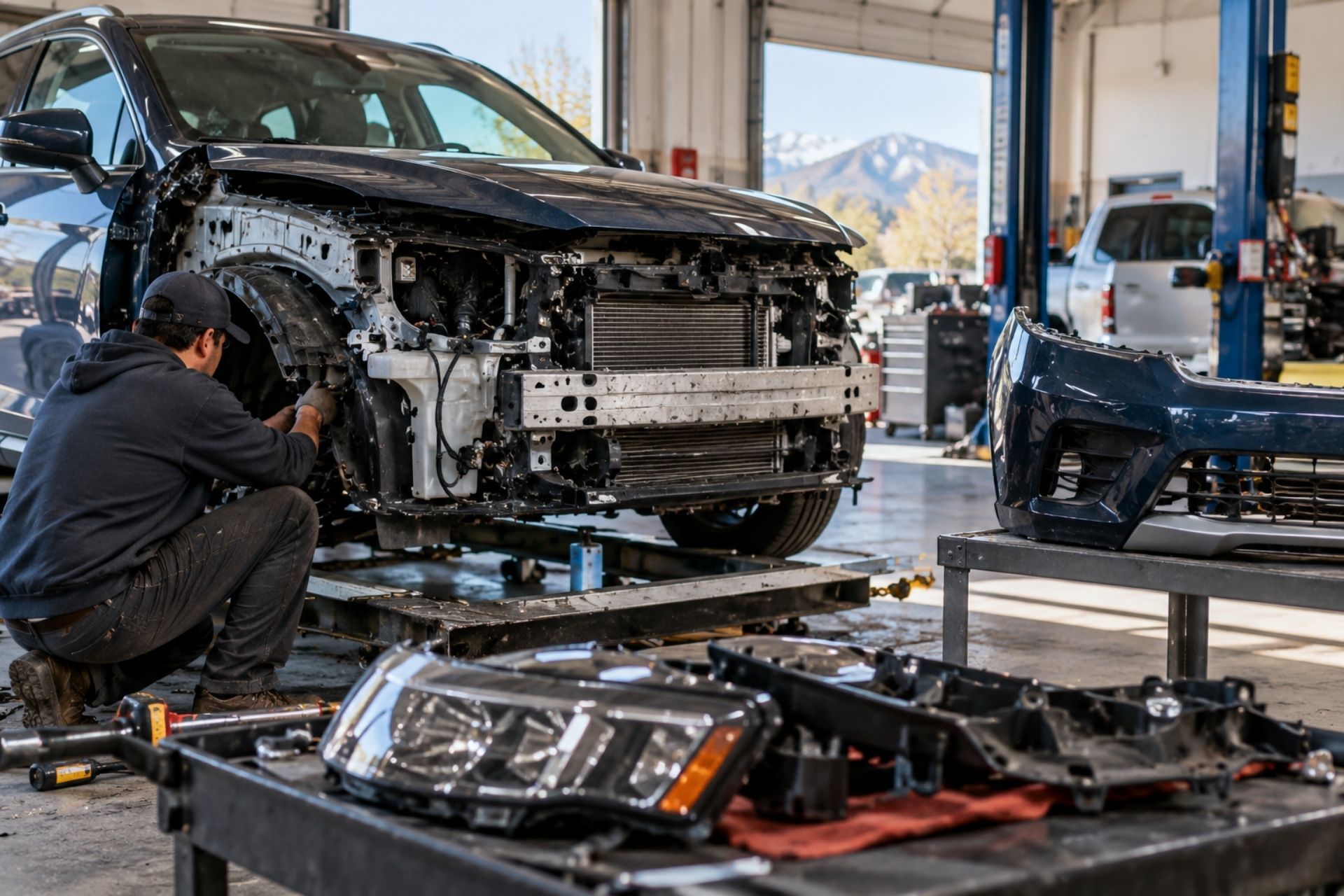
When a Tesla, Rivian, or Ford Lightning needs body work, your local collision shop may not be equipped to handle it. EVs require technicians certified in high-voltage systems, and many repairs involve proprietary parts that only authorized service centers can install. This limited repair network creates longer wait times and higher labor rates.
A fender bender that might cost $2,500 to fix on a Honda Accord could easily run $5,000 or more on a comparable EV. Aluminum body panels, integrated sensors, and cameras embedded throughout the vehicle complicate even minor repairs. Insurers price this complexity into your premium from day one.
| Factor | Gas Vehicle | Electric Vehicle |
|---|---|---|
| Average repair cost | $3,500 | $5,200 |
| Certified repair shops | Widespread | Limited |
| Parts availability | Standard | Often proprietary |
| Labor rate | Standard | Premium |
Battery Replacement Value and Total Loss Risks
Here's where EV insurance gets complicated. Battery packs can account for 30-50% of an EV's total value, and replacement costs range from $5,999 to $15,500 depending on the vehicle. A moderate accident that damages the battery pack can push an otherwise repairable vehicle into total loss territory.
Insurers calculate total loss thresholds based on repair cost versus vehicle value. When a single component represents such a large percentage of that value, the math shifts dramatically. This is why comprehensive coverage matters so much for EV owners: a battery damaged by flood water or extreme impact could mean losing your vehicle entirely.
Impact of Colorado's Weather and Terrain
Colorado's environment presents unique challenges for EV insurance. Hailstorms along the Front Range regularly cause billions in vehicle damage statewide. Mountain driving subjects vehicles to road debris, wildlife collisions, and temperature extremes that stress batteries.
Winter driving deserves special attention. Cold temperatures reduce battery range significantly, sometimes by 30% or more. While this doesn't directly affect insurance, it does influence driving patterns and charging behavior. More relevant to your premium: icy mountain roads increase accident frequency during ski season, and Colorado's mix of urban highways and remote mountain passes creates varied risk profiles that insurers weigh carefully.
Essential Coverage Options for Colorado EV Owners
Gap Insurance for High-Value EV Loans
Gap insurance covers the difference between what you owe on your vehicle and what your insurer pays if it's totaled. Given that EVs depreciate in their own patterns, sometimes holding value well but other times dropping sharply after new model releases, gap coverage provides crucial protection.
Consider this scenario: you finance a $55,000 EV with minimal down payment. Two years later, you owe $42,000, but your vehicle's actual cash value has dropped to $35,000. Without gap insurance, you're responsible for that $7,000 difference if the car is totaled. Given the battery-related total loss risks mentioned earlier, this coverage makes particular sense for EV owners.
At The Insurance Loft, we regularly help clients evaluate whether gap coverage makes sense for their specific loan terms and vehicle. Sometimes it's essential protection; other times the numbers don't justify the cost. An honest assessment depends on your down payment, loan length, and the specific EV model's depreciation curve.
Charging Station and Home Equipment Protection
Installing a Level 2 charger at home typically costs between $1,500 and $3,000 including electrical upgrades. This equipment isn't automatically covered by your auto insurance, and your homeowners policy may have limitations on outdoor electrical equipment.
Some insurers offer specific endorsements for home charging equipment. Others bundle this protection into comprehensive coverage. Review your homeowners policy carefully and ask your agent specifically about charging station coverage. A power surge or lightning strike could damage both your charger and any connected vehicle, creating a complex claim that spans multiple policies.
Maximizing Savings and Incentives
Green Vehicle Discounts from Major Carriers
Several major carriers offer discounts specifically for electric and hybrid vehicles. These typically range from 5% to 10% off your premium, though availability varies by carrier and state. Not every insurer offers these discounts in Colorado, so shopping specifically for EV-friendly carriers matters.
Working with an independent agency like The Insurance Loft provides access to multiple carriers simultaneously. We work with Nationwide, Travelers, Progressive, Safeco, and others, which means we can identify which carriers offer the best EV discounts for your specific situation. A carrier that's cheapest for a Tesla Model 3 might not be cheapest for a Ford F-150 Lightning.
Other discounts that often stack with green vehicle credits include:
- Multi-policy bundles with homeowners or umbrella coverage
- Safe driver discounts based on telematics data
- Low mileage discounts, particularly relevant for EV owners who charge at home
- Paid-in-full discounts for annual premium payment
Leveraging Colorado State Tax Credits for Total Value
Colorado offers a $750 tax credit for EV purchases in 2026, with an additional $2,500 credit available for vehicles with an MSRP under $35,000. While these credits don't directly reduce insurance costs, they improve your total cost of ownership calculation.
Factor these credits into your budget when determining how much coverage you can comfortably afford. The money saved on purchase price could fund higher deductibles or better coverage limits. Some buyers use tax credit savings to pay insurance premiums annually rather than monthly, capturing additional discounts.
Choosing the Right Insurer for Your Electric Vehicle
Not all insurers handle EV claims equally. Some have established networks of certified repair shops and streamlined processes for battery-related issues. Others treat EVs like any other vehicle and leave you navigating specialized repairs on your own.
Questions worth asking any potential insurer:
- Do you have a network of EV-certified repair facilities in Colorado?
- How do you handle battery damage assessments?
- What's your process for determining total loss on an EV?
- Do you offer original equipment manufacturer parts, or aftermarket only?
The answers reveal how prepared an insurer is for EV-specific claims. A carrier with established EV expertise will get you back on the road faster and with fewer headaches than one still figuring out the process.
Frequently Asked Questions
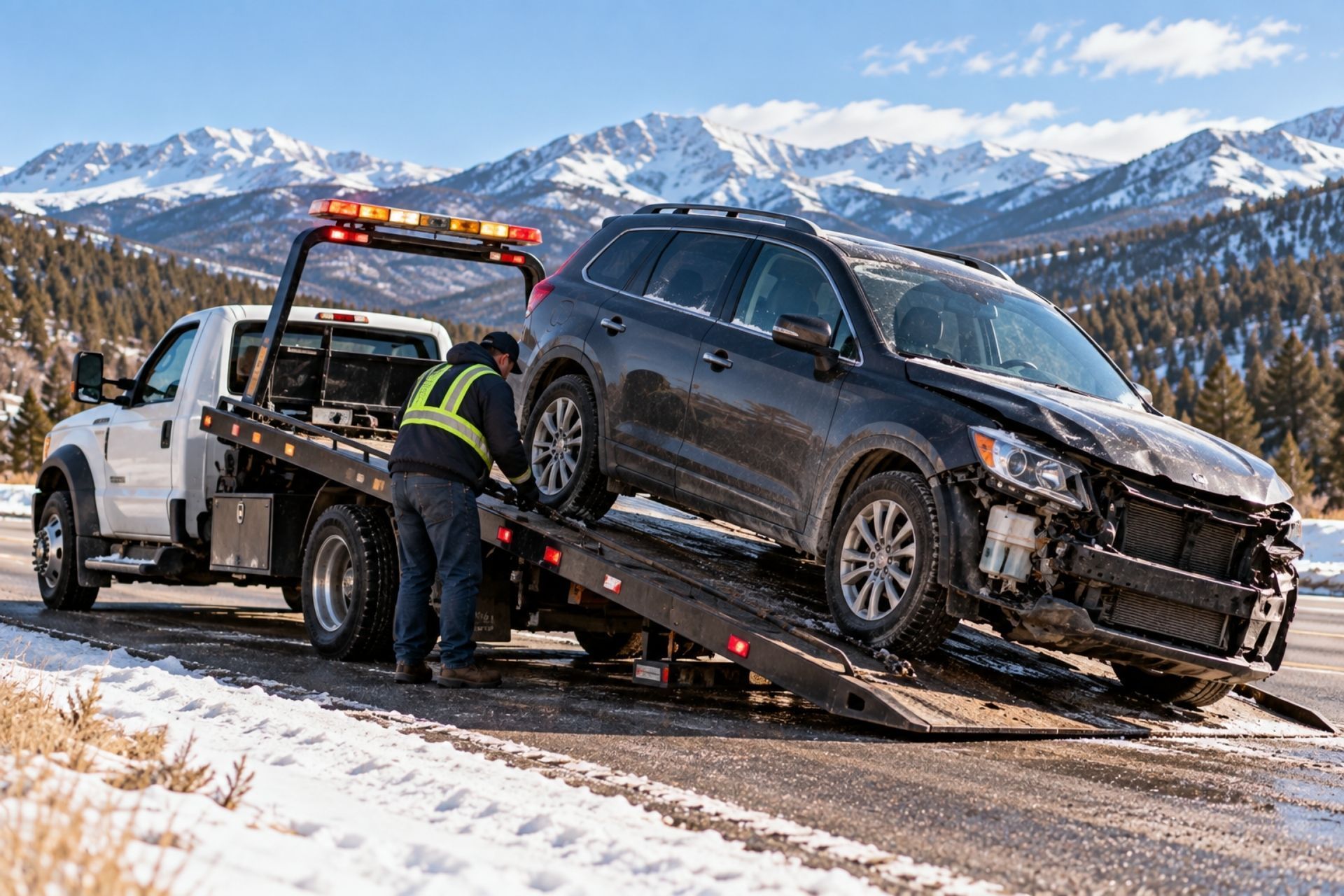
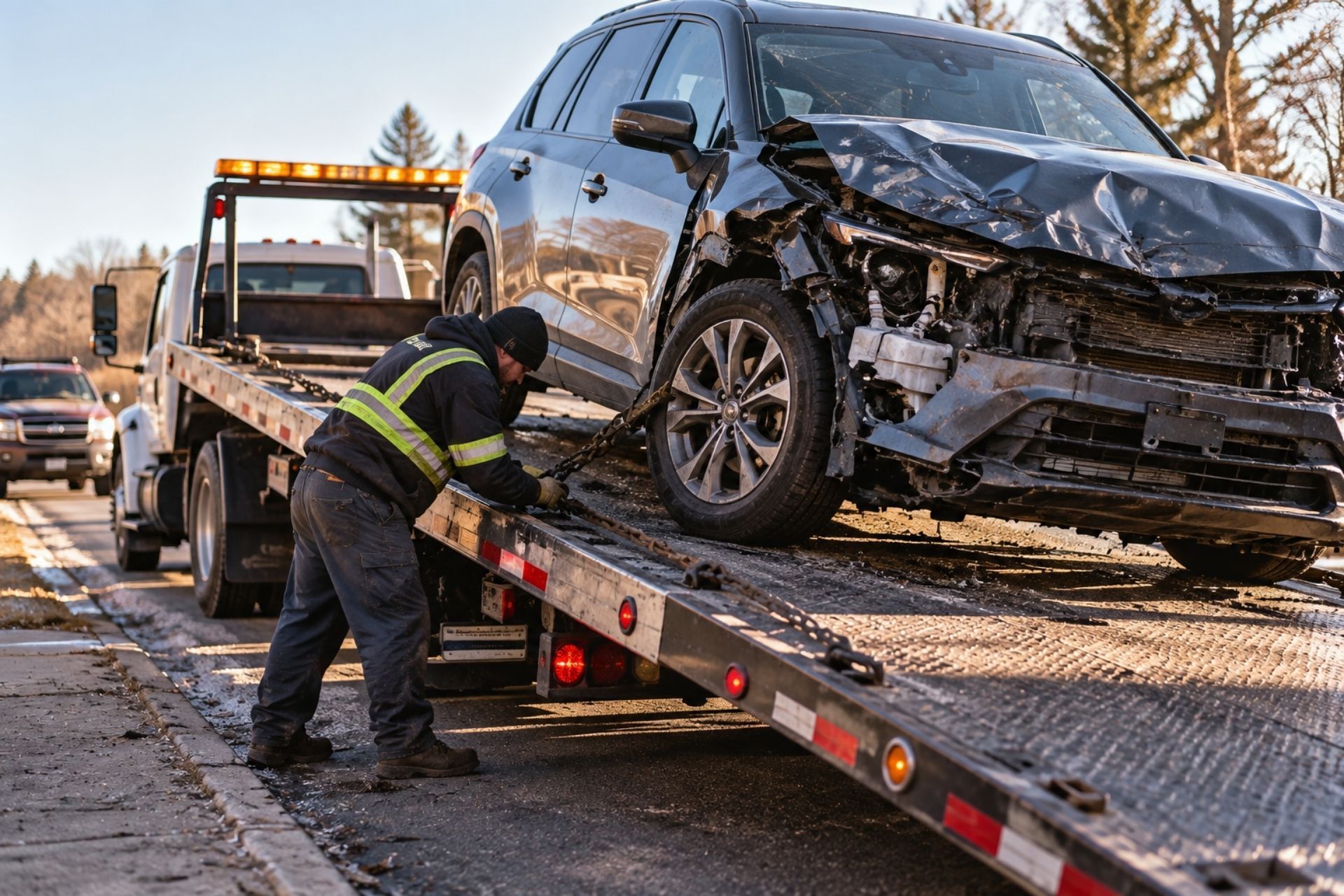
Does my EV insurance cover roadside assistance if I run out of charge? Most roadside assistance add-ons cover flatbed towing to the nearest charging station. However, not all tow operators have flatbed trucks available, which EVs require. Confirm your policy includes EV-appropriate towing.
Will installing a home charger affect my homeowners insurance? Possibly. Some policies require notification of electrical upgrades over certain thresholds. Contact your homeowners insurer before installation to ensure coverage and avoid claim disputes later.
Do EVs qualify for lower rates because they're safer? Many EVs earn excellent safety ratings, but this doesn't always translate to lower premiums. Higher repair costs and replacement values often outweigh safety-related discounts.
Can I insure my EV battery separately? Standard auto policies cover the battery as part of the vehicle. Some manufacturers offer extended battery warranties that complement insurance coverage but don't replace it.
How does Colorado's altitude affect EV insurance? Altitude itself doesn't impact rates, but mountain driving patterns and winter weather conditions in high-altitude areas do factor into regional rate calculations.
Your Next Steps
Electric vehicle insurance in Colorado requires more attention than simply transferring your existing policy. Higher premiums reflect real cost differences in repairs, parts, and total loss calculations. The right coverage protects your investment while the right carrier makes claims manageable when they happen.
If you're shopping for EV insurance or questioning whether your current coverage fits your vehicle, reach out to The Insurance Loft. We'll compare options across multiple carriers, identify available discounts, and help you understand exactly what you're paying for. Your EV represents a significant investment in both your transportation and Colorado's cleaner future: protect it accordingly.
Recent Posts
Let’s work together
Call Us
800-409-9790
Email Address
info@theinsuranceloft.com
Address Business
123 High St London, United Kingdom