
COLORADO SPRINGS, COLORADO FLOOD INSURANCE

See How We're Different
Call Us: 1-800-409-9790
Colorado Springs sits at the base of Pikes Peak, surrounded by stunning mountain views and a semi-arid climate that makes flooding seem like someone else's problem. That assumption costs homeowners thousands every year. The truth is that this city faces unique flood risks that catch residents off guard, from sudden flash floods roaring down burn-scarred hillsides to overwhelmed urban drainage systems during summer monsoons.
Understanding flood insurance in Colorado Springs means looking beyond standard homeowner policies, which typically exclude flood damage entirely. Whether you live near Fountain Creek, in a newer subdivision, or on higher ground that seems safe, your actual risk depends on factors most people never consider. The average NFIP policy in the area
costs around $1,095 annually, but your specific premium could be significantly higher or lower based on your property's characteristics. This guide breaks down the risk zones, coverage options, and pricing factors that determine what you'll actually pay to protect your home.
Understanding Flood Risks in Colorado Springs
Colorado Springs doesn't fit the typical flood-prone profile. There's no major river running through downtown, no coastal storm surge to worry about. Yet the city experiences regular flooding events that damage homes and businesses, often in areas where owners assumed they were safe.
The combination of terrain, weather patterns, and urban development creates conditions where water accumulates fast and drains slow. Summer thunderstorms can drop several inches of rain in under an hour. That water has to go somewhere, and it often ends up where people least expect it.
The Role of Fountain Creek and Local Tributaries
Fountain Creek serves as the primary drainage corridor for the entire Pikes Peak region, collecting runoff from hundreds of smaller tributaries and channeling it south through the city. Properties along this waterway face the most obvious flood risk, but the danger extends well beyond the creek's immediate banks.
During heavy rainfall, water flows downhill from neighborhoods throughout the city into these tributaries. Monument Creek, Sand Creek, and dozens of smaller drainages all feed into Fountain Creek, creating a network where flooding in one area can quickly affect properties miles away.
Impact of Burn Scars and Flash Flooding Potential
Wildfire scars fundamentally change how the landscape handles water. After a fire, the soil becomes hydrophobic, meaning it repels water rather than absorbing it. Rain that would normally soak into the ground instead sheets across the surface, picking up speed and debris as it flows downhill.
The 2012 Waldo Canyon Fire and 2013 Black Forest Fire left burn scars that continue affecting drainage patterns today. Properties downslope from these areas face elevated flash flood risk that may not show up on older FEMA maps. Newer developments near these burn scars require careful evaluation before purchasing.
Urban Drainage and Stormwater Challenges
Paved surfaces create their own flood problems. Parking lots, roads, and rooftops prevent water absorption, directing massive volumes into storm drains designed for average conditions rather than extreme events.
Colorado Springs has invested heavily in stormwater infrastructure, but capacity limits exist. When rainfall exceeds design standards, water backs up into streets, yards, and basements. Properties in low-lying areas or near drainage system bottlenecks face repeated flooding even during moderate storms.


By: Brian J. Cook
Founder & Managing Partner of The Insurance Loft
FEMA flood maps determine whether you're required to carry flood insurance and heavily influence your premium. These maps divide areas into zones based on calculated flood probability, with each designation carrying different insurance implications.
You can check your property's flood zone through FEMA's Flood Map Service Center or by contacting El Paso County's planning department. Keep in mind that these maps represent best estimates based on historical data and modeling, not guarantees of future conditions.
High-Risk Areas: Special Flood Hazard Areas (SFHAs)
Special Flood Hazard Areas carry designations starting with A or V, indicating at least a 1% annual chance of flooding. If your property falls within an SFHA and you have a federally-backed mortgage, flood insurance isn't optional.
Zone AE designations include detailed base flood elevations, while Zone A areas lack this specific data. Properties in these zones face the highest premiums and strictest requirements. In Northeast Colorado Springs, approximately 12.5% of properties face current flood risk, with projections showing a slight increase over the next three decades.
Moderate-to-Low Risk Zones: X and B Designations
Zone X (or the older Zone B and C designations) indicates areas outside the 100-year floodplain. These properties face lower statistical risk but aren't immune to flooding. Roughly 20% of flood claims come from properties in these supposedly low-risk zones.
Insurance isn't required for Zone X properties, but it's often worth carrying. Premiums are typically much lower than high-risk zones, and the coverage provides genuine protection against unexpected events. The Insurance Loft regularly helps clients in these areas find affordable policies that provide peace of mind without breaking the budget.
Average Costs of Flood Insurance in El Paso County
Flood insurance pricing has changed dramatically in recent years. The old system used relatively simple zone-based calculations, but FEMA's new methodology considers property-specific factors that can make neighbors on the same street pay very different amounts.
Understanding what drives your premium helps you make informed decisions about coverage levels and potential mitigation measures that could reduce costs.
Factors Influencing Your Annual Premium
Your premium depends on several property characteristics: distance to water, elevation relative to flood levels, building age, foundation type, and the number of floors. A single-story slab foundation home near Fountain Creek will pay substantially more than a two-story raised foundation home on higher ground.
Building replacement cost also matters significantly. Larger, more expensive homes cost more to insure because potential claim payouts are higher. The deductible you choose affects pricing too, with higher deductibles reducing premiums by 15-40% in many cases.
FEMA's Risk Rating 2.0 Pricing Methodology
Risk Rating 2.0 replaced the older system in 2021, incorporating more data sources and creating more individualized pricing. The new system considers flood frequency, flood types (river overflow, storm surge, coastal erosion, heavy rainfall), and distance to water sources.
Some properties saw premium decreases under the new system, while others faced substantial increases. Properties that were previously underpriced relative to their actual risk experienced the largest jumps. FEMA implemented annual increase caps to phase in changes gradually, but some homeowners are still seeing yearly premium growth.
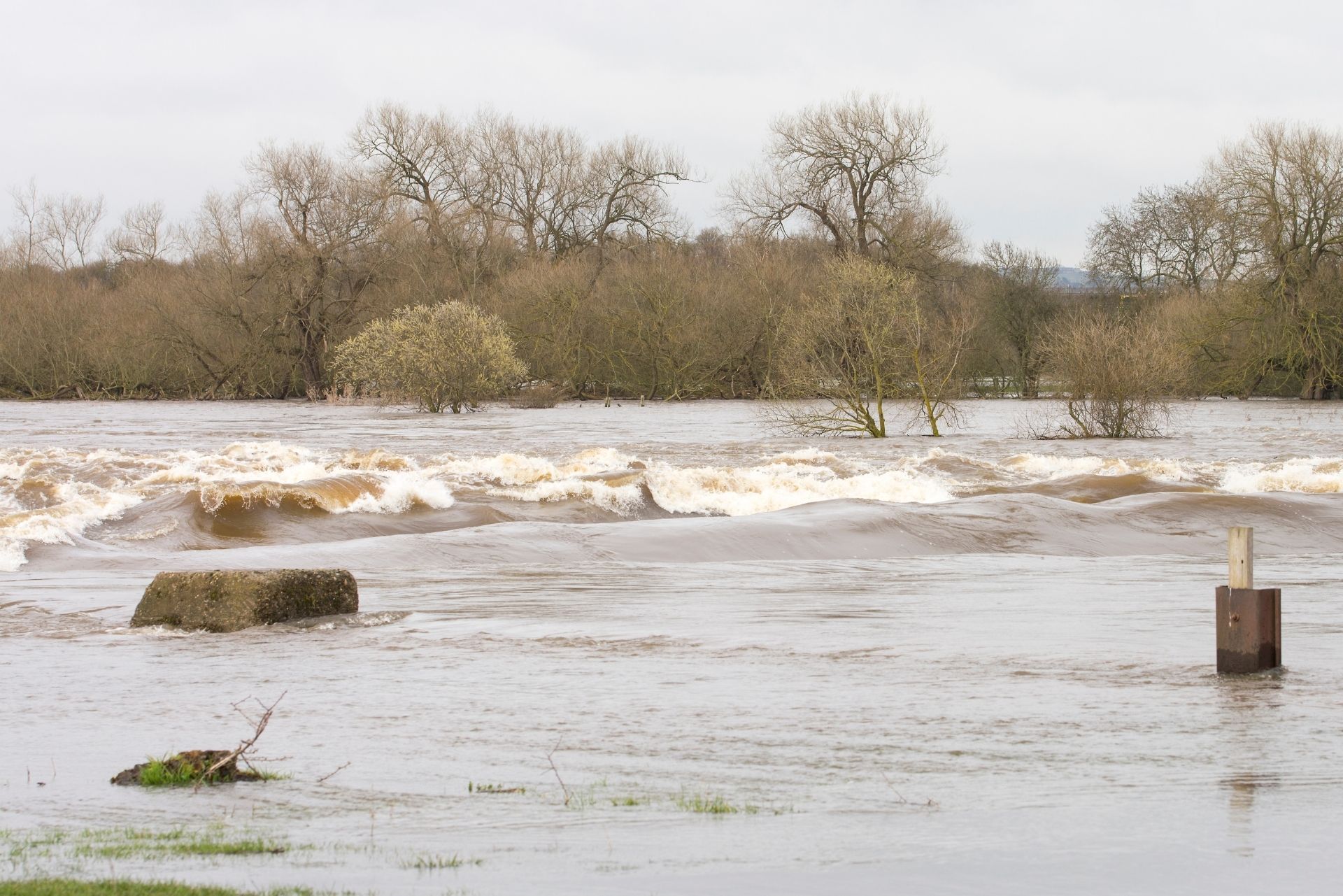
The National Flood Insurance Program has been the primary source of flood coverage for decades, but private insurers have entered the market with competitive alternatives. Each option has distinct advantages depending on your situation.
| Feature | NFIP | Private Insurance |
|---|---|---|
| Max Building Coverage | $250,000 | $1M+ available |
| Max Contents Coverage | $100,000 | $500K+ available |
| Waiting Period | 30 days | Often 10-15 days |
| Basement Coverage | Limited | Varies by policy |
| Pricing in Low-Risk Zones | Standard rates | Often 20-40% lower |
| Pricing in High-Risk Zones | Standard rates | May be 10-15% higher |
National Flood Insurance Program (NFIP) Limitations
NFIP coverage caps at $250,000 for building property and $100,000 for contents. For many Colorado Springs homes, especially newer construction in desirable areas, these limits fall well short of full replacement cost.
The program also excludes certain items and areas. Basement improvements, landscaping, and additional living expenses during repairs aren't covered. The 30-day waiting period before coverage takes effect means you can't buy a policy when storms are already forecast.
Benefits of Private Market Excess Coverage
Private flood insurance can fill gaps left by NFIP policies. Higher coverage limits protect homes worth more than $250,000, while excess policies layer additional protection on top of NFIP coverage.
Private rates run 20-40% lower than NFIP in low-risk zones, making them attractive for Zone X properties. However, high-risk zone properties may find private coverage more expensive. The Insurance Loft works with multiple carriers to compare options and identify the most cost-effective approach for each client's specific situation.
What Standard Colorado Springs Policies Cover
Understanding exactly what your flood policy covers prevents unpleasant surprises during the claims process. Coverage splits into two main categories, each with specific inclusions and exclusions.
Building Property vs. Personal Contents Coverage
Building coverage protects the structure itself: walls, floors, foundation, electrical systems, plumbing, HVAC equipment, and permanently installed features like cabinets and built-in appliances. This coverage applies to the physical building and essential systems.
Contents coverage protects your belongings: furniture, clothing, electronics, and portable appliances. You can purchase building coverage only, but contents coverage requires building coverage to be in place. Most homeowners benefit from carrying both, though the appropriate limits vary based on what you own.
Exclusions: Basements and Landscaping
Basement coverage under NFIP policies is extremely limited. The policy covers essential equipment in basements, such as furnaces and water heaters, but finished basement spaces, drywall, flooring, and personal property stored below ground level typically aren't covered.
Landscaping, decks, patios, fencing, and swimming pools fall outside standard coverage. Vehicles are also excluded since they're covered under auto policies. Understanding these gaps helps you plan accordingly and consider whether private coverage with broader terms might better suit your needs.
Steps to Secure Coverage and Mitigate Financial Risk
Getting flood insurance requires more planning than standard homeowner coverage. The waiting period means you need to act before flood season, not during an approaching storm.
Start by determining your flood zone and getting quotes from both NFIP and private carriers. An independent broker can pull multiple quotes simultaneously, saving you time and ensuring you see the full range of options. Colorado communities participating in the Community Rating System have saved over $3 million in premiums through local mitigation efforts that earn policy discounts.
Consider elevation certificates if you're in a high-risk zone, as accurate elevation data can significantly affect your premium. Review your coverage limits annually as home values change, and document your belongings with photos or video to streamline any future claims process.
Frequently Asked Questions
Do I need flood insurance if I'm not in a flood zone? You're not required to carry it, but roughly 20% of flood claims come from low-risk zones. Premiums are typically affordable for Zone X properties, often under $500 annually.
How long before my flood policy takes effect? NFIP policies have a 30-day waiting period. Some private policies offer 10-15 day waiting periods. Plan ahead rather than waiting for storm forecasts.
Will my homeowner's insurance cover any flood damage? Standard homeowner policies exclude flood damage entirely. You need a separate flood policy regardless of your zone designation.
Can I get flood insurance for a rental property? Yes, landlords can purchase building coverage. Tenants can buy contents-only policies to protect their belongings.
What's the best way to lower my flood insurance premium? Higher deductibles offer immediate savings. Long-term options include elevation improvements, flood vents, and moving utilities above flood level.
Making the Right Coverage Decision
Flood insurance in Colorado Springs requires understanding your specific risk profile, not just your FEMA zone designation. The combination of mountain runoff, burn scars, and urban drainage creates flooding scenarios that surprise homeowners who assumed they were safe.
Take time to evaluate your actual exposure, compare NFIP and private options, and ensure your coverage limits match your home's value. The Insurance Loft's advisors specialize in helping Colorado Springs residents find the right balance of protection and affordability. Reach out for a personalized quote that accounts for your property's unique characteristics and your budget requirements.
ABOUT THE AUTHOR:
Brian J. Cook
I'm Brian J. Cook, co-founder and Managing Partner of The Insurance Loft, an independent insurance agency headquartered in Greenwood Village, Colorado. With a client-first approach to personal insurance, I help Colorado homeowners, drivers, and families find the right coverage — without the limitations of working with a single-carrier agent.
COVERAGE FOR YOUR LIFE
Personal Insurance Plans That Protect What Matters Most
From your home and car to your family and pets — we cover it all.
GET THE ANSWERS YOU NEED
Common Questions About The Insurance Loft
We believe informed clients make better coverage decisions. Here are the questions we hear most often.
What does it mean to be an independent insurance agency?
An independent insurance agency like The Insurance Loft is not tied to a single insurance company. We are licensed to work with multiple carriers — including Nationwide, Travelers, Progressive, Safeco, Chubb, and others — so we can compare options and find the best policy for your needs. When you work with a captive agent, you only see what that one company offers. When you work with us, you see the full market.
This independence also means we represent you, not the carrier. When a claim arises or your coverage needs to change, your advisor advocates for your interests — not the insurance company's bottom line. That is the core of what makes The Insurance Loft different.
Where is The Insurance Loft located and who do you serve?
The Insurance Loft is headquartered in Greenwood Village, Colorado, in the Denver Tech Center area. We serve individuals and families throughout Colorado — from the Denver Metro and Front Range to Colorado Springs, Boulder, Fort Collins, mountain communities, and beyond. Our office is conveniently located at 5990 Greenwood Plaza Blvd, Ste 270, Greenwood Village, CO 80111.
Whether you are a longtime Colorado resident or just moved to the state, The Insurance Loft can help you find the right personal insurance coverage. Our advisors understand Colorado's specific risks and regulations, and they know which carriers offer the best coverage options for your area. Call us at 800-409-9790 or schedule a call online to get started.
What types of insurance does The Insurance Loft offer?
We offer a full range of personal and commercial insurance products. On the personal side, we cover home, auto, renters, life, motorcycle, umbrella, and pet insurance. For businesses, we provide general liability, commercial property, workers compensation, professional liability, business auto, and specialty coverage for industries like construction, food and beverage, brewery, and cannabis operations.
We also offer surety bonds for businesses that require them. Our goal is to be your single resource for every insurance need — personal or commercial — throughout your life and the life of your business. If you are unsure what coverage you need, schedule a call and an advisor will walk you through your options at no cost.
What carriers does The Insurance Loft work with?
The Insurance Loft partners with more than 19 trusted insurance carriers to give clients access to a wide range of options. Our featured carrier partners include Nationwide, Travelers, Progressive, Safeco Insurance, Chubb, and Hagerty Insurance for collector vehicles. Each carrier brings different strengths, pricing structures, and coverage specialties, which is why having access to multiple companies matters.
Because we work with a diverse group of carriers, we are not pressured to place policies with any single company. Your advisor reviews your situation, identifies which carriers best match your needs, and presents your options clearly. This process consistently delivers better coverage at competitive prices compared to going directly to a single insurance company.
How does The Insurance Loft handle the claims process ?
When you need to file a claim, your dedicated Insurance Loft advisor is your first call. We provide claims support through our Member Services team and guide you through the process with your carrier. You will not be left to figure it out alone. Our advisors help you understand what your policy covers, what documentation is needed, and what to expect from the timeline.
You can also access claims support directly through our Member Services portal at theinsuranceloft.com. Our goal is to make the claims process as clear and stress-free as possible so you can focus on recovery. For urgent claims assistance, contact our Customer Care team at 800-409-9790 during business hours, Monday through Friday, 9 AM to 6 PM.
Why should I review my insurance coverage every year?
Your life changes constantly — and your insurance should change with it. A new home, a new vehicle, a renovation, a new employee, a business expansion, or a change in your income can all affect how much coverage you need. Reviewing your policy annually helps make sure you are not paying for coverage you no longer need, and that you are not underinsured in areas where your exposure has grown.
The Insurance Loft advisors proactively reach out at renewal time to review your current policies and flag anything that needs attention. Major life events like buying a home, starting a business, getting married, or having children are all good reasons to schedule an earlier review. Contact your advisor or call 800-409-9790 to set up a coverage review at any time.
INSURANCE KNOWLEDGE, MADE SIMPLE
Learn From Our Resource Center
Practical answers to real insurance questions — written by the advisors who help clients every day.



CONTACT US
Phone Number: 1-800-409-9790