

Arvada sits at the confluence of two significant waterways, and that geography creates flood risk most homeowners don't fully appreciate until water starts pooling in their basement. While standard homeowners insurance covers plenty of disasters, flood damage requires a separate policy, and the costs vary dramatically based on where your property sits relative to local flood zones. Understanding flood insurance in Arvada, Colorado means knowing your risk zones and what drives coverage costs before you're standing in six inches of water wondering why your claim got denied.
The numbers tell a clear story:
13.4% of properties in Northwest Arvada face flooding risk over the next 30 years, yet many homeowners assume they're safe because they've never experienced flooding personally. That's a dangerous assumption. The
average cost of flood insurance in Arvada runs about $1,403 annually, which sounds steep until you compare it to the tens of thousands a single flood event can cost in repairs and lost belongings. Your standard homeowners policy, averaging around $4,535 per year in Arvada for $300,000 dwelling coverage, explicitly excludes flood damage. These are two different risks requiring two different policies.
Understanding Flood Risk in the Arvada Landscape
Arvada's flood risk stems from its position along major drainage corridors combined with the rapid development that's transformed agricultural land into impervious surfaces over recent decades. The city experiences both riverine flooding from its creeks and flash flooding from intense summer storms that overwhelm drainage infrastructure.
Impact of Ralston Creek and Clear Creek Drainage
Ralston Creek and Clear Creek define much of Arvada's flood landscape. These waterways drain significant portions of the Front Range foothills, meaning rainfall miles away can translate into rising waters in Arvada hours later. Properties within the floodplains of these creeks face the highest risk designations, and FEMA maps reflect this with Special Flood Hazard Area classifications along their corridors.
Clear Creek, in particular, has a history of dramatic flooding events. The 1969 flood caused extensive damage throughout the region, and while flood control improvements have been made since, the underlying risk remains. Homes built before modern floodplain regulations may sit in areas that would never receive building permits today.
Flash Flooding and Urban Runoff Challenges
Summer thunderstorms in Colorado can drop enormous amounts of rain in short periods, and Arvada's urban development concentrates that runoff in ways that overwhelm storm drains. Streets become rivers. Parking lots become lakes. Basements fill with water that has nowhere else to go.
This type of flooding doesn't always correlate with proximity to creeks. Properties in areas FEMA designates as moderate-to-low risk still experience flash flood damage, particularly in older neighborhoods where drainage infrastructure wasn't designed for current development density. The lesson here: flood risk in Arvada extends well beyond the obvious creek corridors.


By: Brian J. Cook
Founder & Managing Partner of The Insurance Loft
FEMA's Flood Insurance Rate Maps determine everything from your insurance requirements to your premium costs. Understanding these maps isn't optional if you want to make informed decisions about coverage.
Identifying High-Risk Special Flood Hazard Areas (SFHAs)
Special Flood Hazard Areas carry designations like Zone A, AE, AH, and AO. These zones indicate a 1% annual chance of flooding, often described as the "100-year flood" zone, though that terminology misleads people into thinking such floods are rare. A 1% annual chance means roughly a 26% chance of flooding over a 30-year mortgage. Those aren't comforting odds.
Properties in SFHAs with federally-backed mortgages must carry flood insurance. There's no negotiating this requirement. Lenders will force-place coverage if you let your policy lapse, and force-placed policies cost significantly more than coverage you purchase yourself.
The Role of Moderate-to-Low Risk Zones (B, C, and X)
Zones B, C, and X represent areas outside the high-risk designation, but "lower risk" doesn't mean "no risk." FEMA estimates that 20-25% of flood claims nationally come from these moderate-to-low risk zones. The premiums are lower, and mortgage requirements don't mandate coverage, but the smart money still carries protection.
Preferred Risk Policies offer reduced rates for properties in these zones, making coverage surprisingly affordable. When you're paying over $4,500 annually for homeowners insurance that explicitly excludes flood damage, adding a few hundred dollars for flood protection makes financial sense.
Your premium depends on several factors, some within your control and others determined by geography and construction choices made decades ago.
Elevation Certificates and Property Characteristics
An Elevation Certificate documents your property's elevation relative to the Base Flood Elevation for your area. This single document can dramatically affect your premium. Properties elevated above the BFE pay less; those below pay substantially more.
Building characteristics matter too. Foundation type, number of floors, whether you have a basement or crawlspace, and the age of construction all factor into pricing. Newer homes built to current floodplain standards typically cost less to insure than older structures that predate modern regulations.
NFIP vs. Private Insurance Market Pricing
The National Flood Insurance Program provides most flood coverage in the U.S., but private insurers have entered the market with competitive options. Private policies sometimes offer higher coverage limits, faster claims processing, and lower premiums for certain properties.
Working with an independent brokerage like The Insurance Loft lets you compare NFIP and private options side by side. The right choice depends on your specific property, risk zone, and coverage needs. Some properties fare better under NFIP pricing; others find significant savings through private carriers.
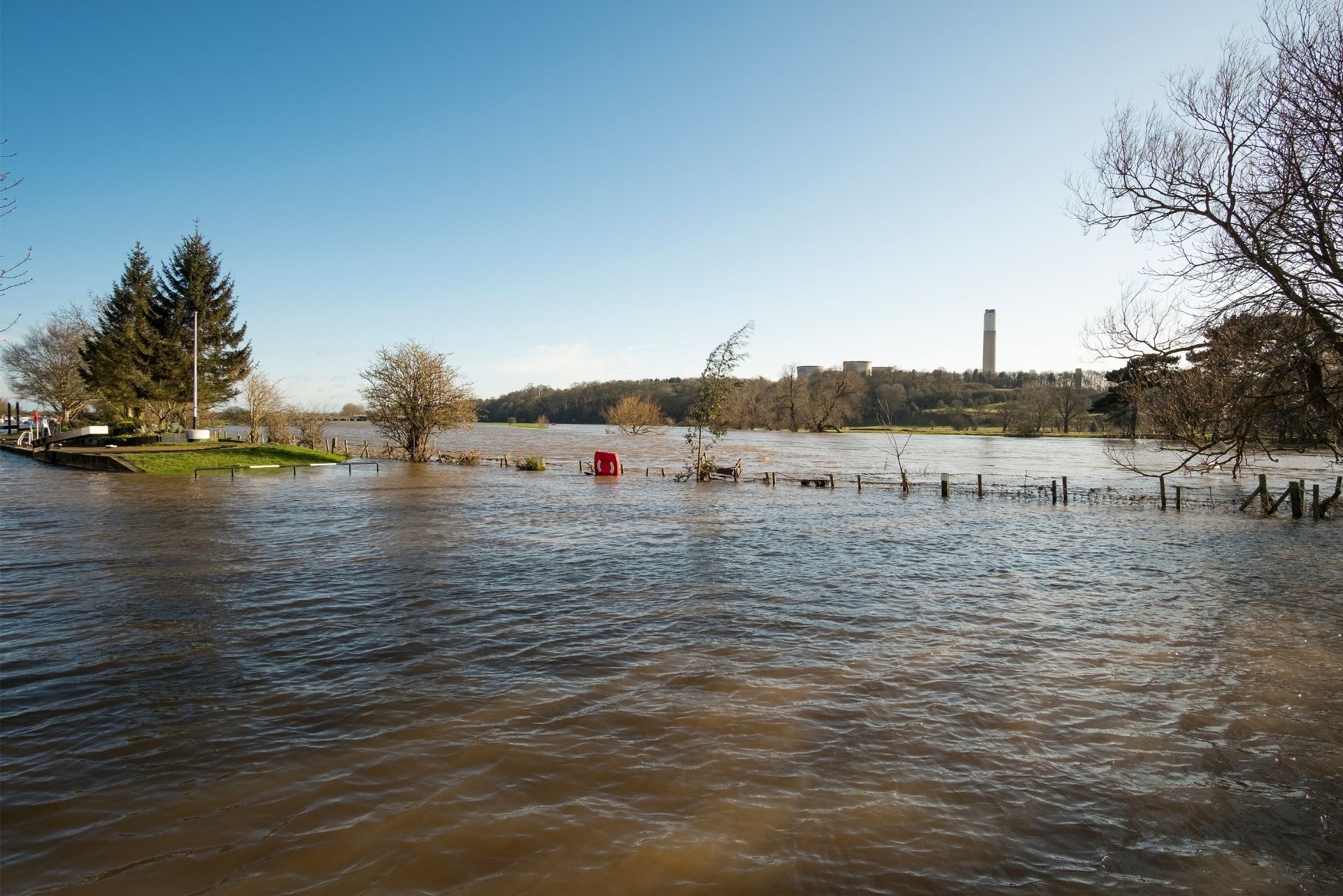
What Arvada Flood Policies Typically Cover
Flood insurance divides coverage into building property and personal contents, each with distinct limits and exclusions worth understanding before you need to file a claim.
Building Property Coverage Limitations
NFIP building coverage caps at $250,000 for residential properties. This covers the structure itself, electrical and plumbing systems, HVAC equipment, appliances like water heaters and refrigerators, and permanently installed features like carpeting and built-in cabinets. Foundation elements and supporting structures fall under this coverage as well.
What's excluded matters just as much. Decks, patios, fences, hot tubs, and swimming pools aren't covered. Neither is landscaping or any property outside the building's footprint. Finished basement improvements face significant limitations, with many items excluded entirely.
Personal Contents and Belongings Protection
Contents coverage maxes out at $100,000 under NFIP policies. This protects furniture, clothing, electronics, and other personal property damaged by flooding. However, basement contents face restrictions similar to building coverage limitations.
| Coverage Type | NFIP Maximum | Private Options |
|---|---|---|
| Building Property | $250,000 | Often higher |
| Personal Contents | $100,000 | Varies by carrier |
| Basement Coverage | Limited | May offer more |
| Waiting Period | 30 days | Sometimes shorter |
Private insurers sometimes offer higher limits and broader coverage, making them worth exploring if your property value exceeds NFIP maximums or you have significant basement improvements.
Mandatory Purchase Requirements and Mortgage Compliance
Federal law requires flood insurance for properties in Special Flood Hazard Areas with mortgages from federally regulated or insured lenders. This includes most conventional mortgages, FHA loans, VA loans, and USDA loans. The requirement exists because these mortgages involve federal backing, and the government won't guarantee loans on uninsured flood-prone properties.
Coverage must be maintained throughout the life of the loan. Letting your policy lapse triggers lender-placed coverage at significantly higher rates. You'll pay more and have less control over your policy terms. Staying ahead of renewal dates prevents this expensive situation.
Steps to Secure Coverage and Mitigate Future Costs
Getting flood insurance involves more than just calling an agent. Understanding the process and available discounts helps you secure appropriate coverage at the best available rates.
The 30-Day Waiting Period for NFIP Policies
NFIP policies include a 30-day waiting period before coverage takes effect. You cannot buy flood insurance as a storm approaches and expect coverage for that event. This waiting period exists specifically to prevent adverse selection, where people only purchase coverage when they know flooding is imminent.
Exceptions exist for home purchases and mortgage refinancing, where coverage can take effect immediately. But for existing homeowners adding flood protection, that 30-day window means planning ahead is essential. Don't wait for the forecast to show heavy rain before calling your agent.
Arvada's Community Rating System (CRS) Discounts
Here's where Arvada homeowners catch a break. The city holds a Class 5 Rating in FEMA's Community Rating System, providing a 25% discount on flood insurance premiums in Special Flood Hazard Areas. This discount reflects Arvada's investments in floodplain management, public education, and mitigation activities.
The CRS discount applies automatically to NFIP policies. You don't need to apply separately or document anything special. Your premium already reflects this community benefit. Similarly,
Boulder County residents receive a 25% CRS discount on NFIP policies, demonstrating how community-level flood management translates into real savings for homeowners.
Frequently Asked Questions
Do I need flood insurance if I'm not in a high-risk zone? Mortgage requirements may not mandate it, but nearly a quarter of flood claims come from moderate-to-low risk areas. Preferred Risk Policies offer affordable coverage for these zones.
How do I find my property's flood zone designation? FEMA's Flood Map Service Center provides online access to current flood maps. Enter your address to view your zone designation and risk factors.
Can I get flood insurance if I've flooded before? Yes, though properties with repetitive losses may face higher premiums. NFIP cannot deny coverage based on flood history.
Does flood insurance cover my finished basement? Coverage for finished basements is limited. Drywall, flooring, and most personal property stored in basements face significant exclusions under NFIP policies.
How quickly can I get flood insurance before closing on a home? For home purchases, coverage can take effect immediately. The 30-day waiting period doesn't apply to new mortgage transactions.
Making Smart Decisions About Flood Protection
Flood insurance in Arvada requires understanding your specific risk zone, evaluating coverage options between NFIP and private carriers, and taking advantage of the CRS discounts your community has earned. The average $1,403 annual premium represents genuine protection against losses that could otherwise devastate your finances.
The Insurance Loft works with multiple carriers to compare flood insurance options for Arvada homeowners. Whether your property sits in a high-risk SFHA or a moderate-risk zone where coverage remains optional but wise, getting quotes from multiple sources ensures you're not overpaying for protection. Your licensed advisor can review your property's elevation, zone designation, and coverage needs to find the right policy at the right price. Reach out before the next storm season arrives.
ABOUT THE AUTHOR:
Brian J. Cook
I'm Brian J. Cook, co-founder and Managing Partner of The Insurance Loft, an independent insurance agency headquartered in Greenwood Village, Colorado. With a client-first approach to personal insurance, I help Colorado homeowners, drivers, and families find the right coverage — without the limitations of working with a single-carrier agent.
COVERAGE FOR YOUR LIFE
Personal Insurance Plans That Protect What Matters Most
From your home and car to your family and pets — we cover it all.
GET THE ANSWERS YOU NEED
Common Questions About The Insurance Loft
We believe informed clients make better coverage decisions. Here are the questions we hear most often.
What does it mean to be an independent insurance agency?
An independent insurance agency like The Insurance Loft is not tied to a single insurance company. We are licensed to work with multiple carriers — including Nationwide, Travelers, Progressive, Safeco, Chubb, and others — so we can compare options and find the best policy for your needs. When you work with a captive agent, you only see what that one company offers. When you work with us, you see the full market.
This independence also means we represent you, not the carrier. When a claim arises or your coverage needs to change, your advisor advocates for your interests — not the insurance company's bottom line. That is the core of what makes The Insurance Loft different.
Where is The Insurance Loft located and who do you serve?
The Insurance Loft is headquartered in Greenwood Village, Colorado, in the Denver Tech Center area. We serve individuals and families throughout Colorado — from the Denver Metro and Front Range to Colorado Springs, Boulder, Fort Collins, mountain communities, and beyond. Our office is conveniently located at 5990 Greenwood Plaza Blvd, Ste 270, Greenwood Village, CO 80111.
Whether you are a longtime Colorado resident or just moved to the state, The Insurance Loft can help you find the right personal insurance coverage. Our advisors understand Colorado's specific risks and regulations, and they know which carriers offer the best coverage options for your area. Call us at 800-409-9790 or schedule a call online to get started.
What types of insurance does The Insurance Loft offer?
We offer a full range of personal and commercial insurance products. On the personal side, we cover home, auto, renters, life, motorcycle, umbrella, and pet insurance. For businesses, we provide general liability, commercial property, workers compensation, professional liability, business auto, and specialty coverage for industries like construction, food and beverage, brewery, and cannabis operations.
We also offer surety bonds for businesses that require them. Our goal is to be your single resource for every insurance need — personal or commercial — throughout your life and the life of your business. If you are unsure what coverage you need, schedule a call and an advisor will walk you through your options at no cost.
What carriers does The Insurance Loft work with?
The Insurance Loft partners with more than 19 trusted insurance carriers to give clients access to a wide range of options. Our featured carrier partners include Nationwide, Travelers, Progressive, Safeco Insurance, Chubb, and Hagerty Insurance for collector vehicles. Each carrier brings different strengths, pricing structures, and coverage specialties, which is why having access to multiple companies matters.
Because we work with a diverse group of carriers, we are not pressured to place policies with any single company. Your advisor reviews your situation, identifies which carriers best match your needs, and presents your options clearly. This process consistently delivers better coverage at competitive prices compared to going directly to a single insurance company.
How does The Insurance Loft handle the claims process ?
When you need to file a claim, your dedicated Insurance Loft advisor is your first call. We provide claims support through our Member Services team and guide you through the process with your carrier. You will not be left to figure it out alone. Our advisors help you understand what your policy covers, what documentation is needed, and what to expect from the timeline.
You can also access claims support directly through our Member Services portal at theinsuranceloft.com. Our goal is to make the claims process as clear and stress-free as possible so you can focus on recovery. For urgent claims assistance, contact our Customer Care team at 800-409-9790 during business hours, Monday through Friday, 9 AM to 6 PM.
Why should I review my insurance coverage every year?
Your life changes constantly — and your insurance should change with it. A new home, a new vehicle, a renovation, a new employee, a business expansion, or a change in your income can all affect how much coverage you need. Reviewing your policy annually helps make sure you are not paying for coverage you no longer need, and that you are not underinsured in areas where your exposure has grown.
The Insurance Loft advisors proactively reach out at renewal time to review your current policies and flag anything that needs attention. Major life events like buying a home, starting a business, getting married, or having children are all good reasons to schedule an earlier review. Contact your advisor or call 800-409-9790 to set up a coverage review at any time.
INSURANCE KNOWLEDGE, MADE SIMPLE
Learn From Our Resource Center
Practical answers to real insurance questions — written by the advisors who help clients every day.



CONTACT US
Phone Number: 1-800-409-9790