
BROOMFIELD, COLORADO FLOOD INSURANCE

See How We're Different
Call Us: 1-800-409-9790
Picture a July afternoon in Broomfield. A storm parks itself over the Front Range, drops a couple of inches of rain in under an hour, and the drainage channel behind your neighborhood starts climbing toward the backyard fence. Most homeowners in that moment learn something they never wanted to know: their homeowners policy doesn't cover a drop of surface flooding.
Flood coverage feels like a coastal problem, so plenty of Colorado families skip it without a second thought. That's a mistake we see regularly at The Insurance Loft, usually right after a claim gets denied. Broomfield sits on a web of creeks, channels, and tributaries feeding off higher ground to the west, and the city is actively reworking its floodplain maps as we speak.
This guide walks through what flood insurance in Broomfield actually involves: how the zones work, how the federal program compares with private policies, what gets covered, how long you wait before protection kicks in, and what drives your price. The goal is simple. You should be able to read your own situation clearly and make a decision before the next storm, not after it.
Understanding Flood Risk in Broomfield
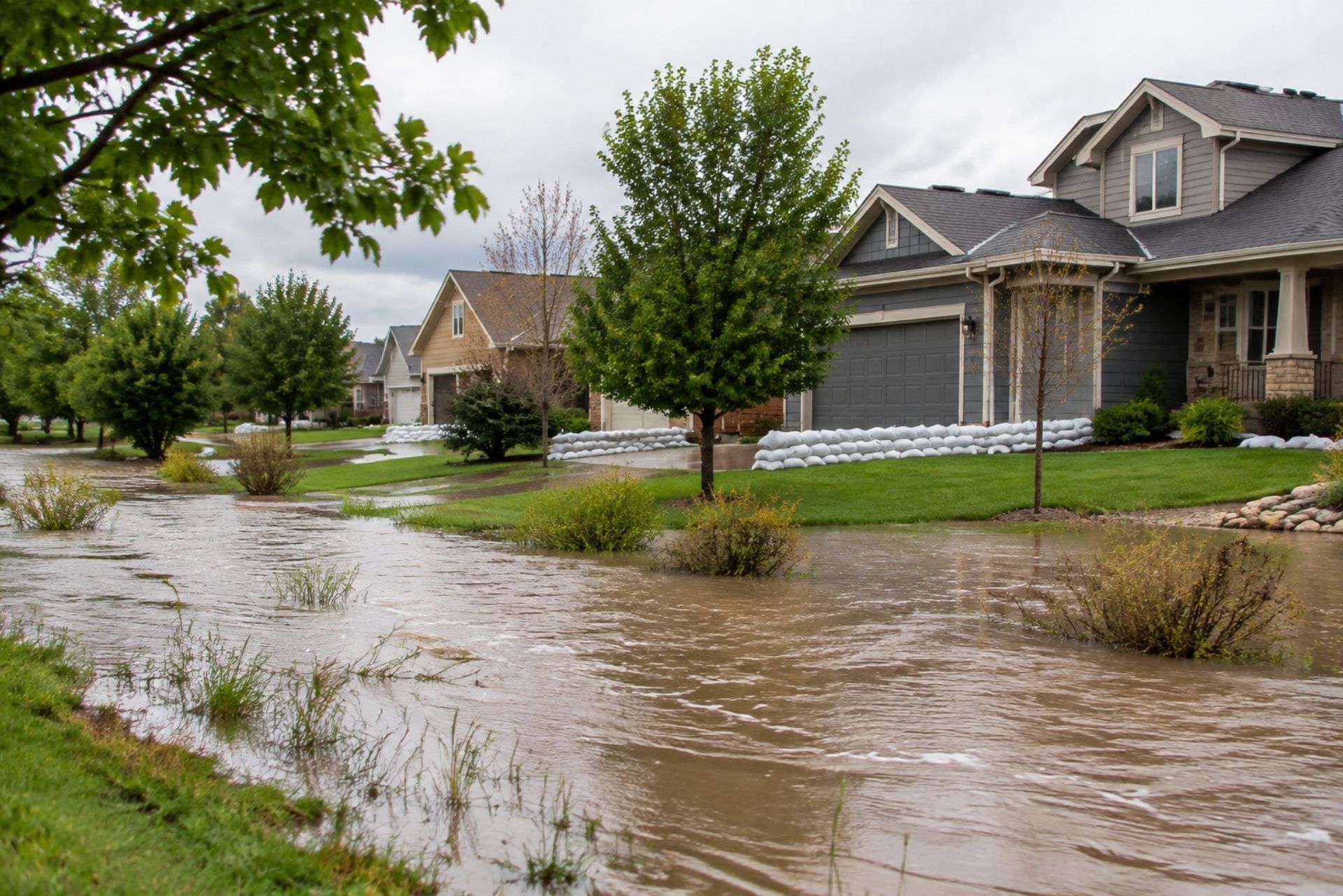
Broomfield's flood risk comes from fast water, not slow-rising rivers. Summer thunderstorms along the Front Range can dump intense rain on hardened ground, and that runoff funnels into channels like City Park Channel and the South Tributary within minutes. Basements fill. Window wells overflow. Streets turn into shallow rivers for an hour, then drain away and leave thousands of dollars in damage behind.
There's a second risk factor that has grown in recent years: wildfire. When fire scorches hillsides, the soil can become hydrophobic, meaning it repels water instead of absorbing it. Colorado regulators warn that properties near burn scars face a significantly higher risk of flash flooding and mudflows because the ground simply can't soak up heavy rainfall. Broomfield isn't a mountain town, but drainage patterns don't stop at county lines, and runoff from upstream conditions affects what flows through local channels.
The other thing to understand is what your homeowners policy won't do.
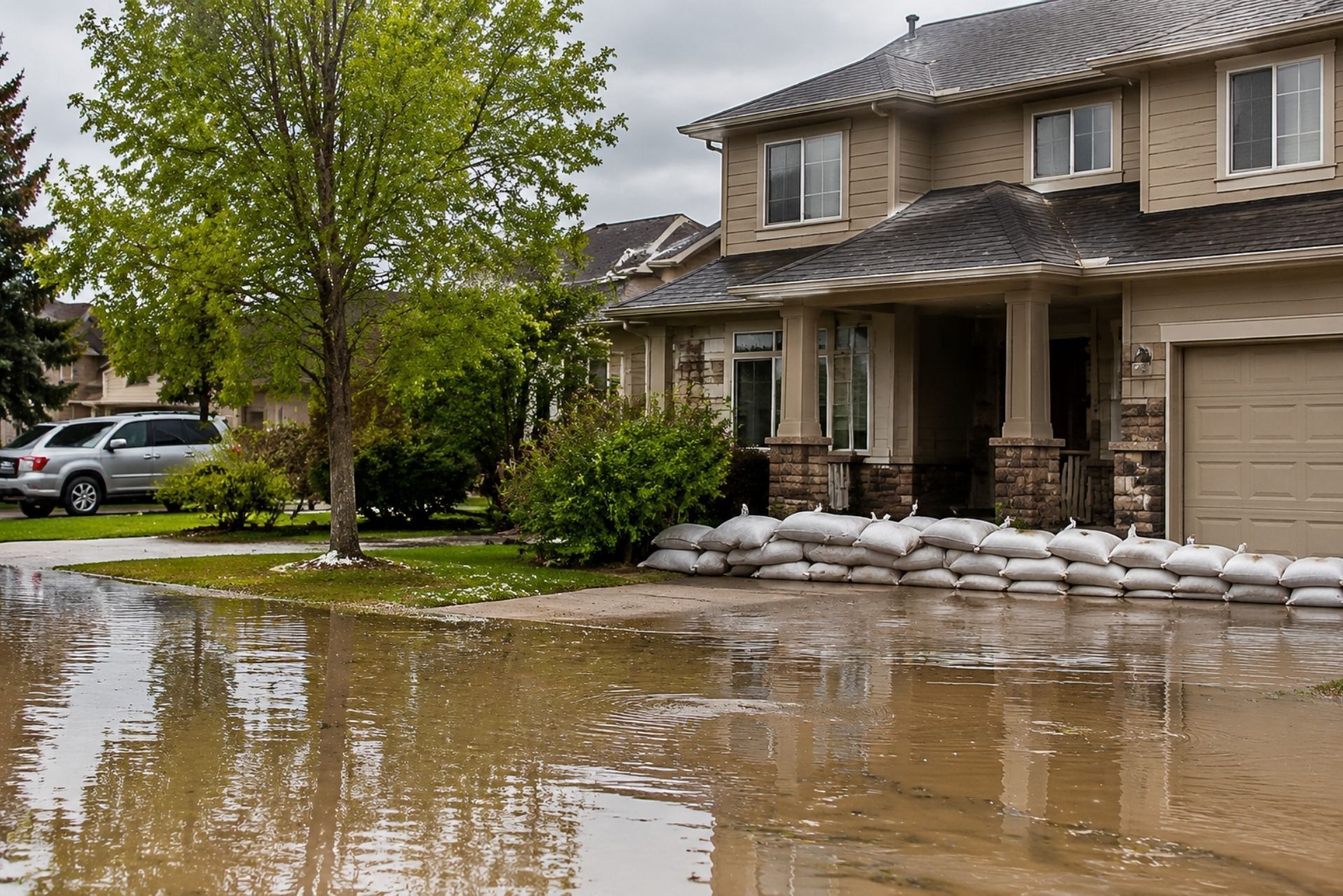
Standard home insurance excludes flood, full stop. If water enters from outside at ground level, whether from an overflowing creek, a saturated yard, or a backed-up drainage way, you need a separate flood policy. We hear "I thought that was covered" more often than almost any other phrase after a heavy storm.

By: Brian J. Cook
Founder & Managing Partner of The Insurance Loft
Broomfield Flood Zones and Mapping
FEMA's Flood Insurance Rate Maps (FIRMs) divide land into zones based on the estimated chance of flooding. Those zones influence whether your lender requires coverage and how your premium gets calculated. In Broomfield, the maps are in motion right now, so the zone you checked three years ago may not match what applies today.
FEMA updated flood hazard determinations for Broomfield County on September 10, 2026, focusing on the City Park Channel and South Tributary floodplains to reflect new topography and revised hazard boundaries. If you live anywhere near those drainage corridors, pull up the current map before assuming anything about your status.
High-Risk Areas (Special Flood Hazard Areas)
Special Flood Hazard Areas, typically labeled Zone A or Zone AE, carry at least a 1% annual chance of flooding. That's the so-called "100-year flood," a term that misleads people constantly. A 1% annual chance adds up to roughly a one-in-four chance of flooding over a 30-year mortgage.
If you have a federally backed mortgage on a property in one of these zones, your lender will require flood insurance. No negotiation there. Buyers sometimes discover this during closing, which creates last-minute stress and occasionally a delayed signing.
The City Park Channel is a good local example of how these zones can change. FEMA approved a Conditional Letter of Map Revision for the channel in March 2025, and Phase 1 construction to install a larger box culvert under Main Street begins October 5, 2026. The project aims to prevent overtopping during 100-year storms, and the city will submit a final Letter of Map Revision after completion to officially shrink the mapped floodplain. Until that final revision is approved, current maps still apply.
Moderate to Low-Risk Designations
Zones B, C, and X cover moderate to low-risk land. Lenders usually don't require flood insurance here, which is exactly why so many owners in these areas go without it.
That's a gamble worth reconsidering. A large share of flood claims nationally come from properties outside high-risk zones, and in Broomfield, localized flash flooding doesn't check a map before it hits. The upside: premiums in these zones are generally much lower, so coverage often costs less than people expect.
Comparing NFIP vs. Private Flood Insurance
You have two main paths for flood coverage in Colorado. The National Flood Insurance Program, run by FEMA and sold through regular insurance agents, has been around for decades. Private flood insurance comes from carriers operating outside the federal program, and the options have expanded considerably.
Neither is automatically better. The right fit depends on your home's value, your contents, your zone, and how much flexibility you need. Here's how they stack up.
Coverage Limits and Flexibility
The NFIP caps residential building coverage at $250,000 and personal contents at $100,000. For a modest townhome, that might be plenty. For a larger Broomfield home in neighborhoods like Anthem or Wildgrass, where rebuilding costs can blow past that ceiling, you could be left with a serious gap.
Private policies often offer higher limits, and some include coverages the NFIP doesn't, like additional living expenses if you have to move out during repairs. A few private carriers also value contents at replacement cost instead of actual cash value. That difference matters a lot when you're replacing a five-year-old sectional or a laptop.
The catch is stability. NFIP policies can't be canceled by the program just because your area had a bad year. Private carriers can decline to renew, raise rates sharply, or pull out of certain markets. We've watched carriers exit specific Colorado zip codes on the homeowners side, and flood isn't immune to that kind of shift. Some homeowners split the difference: an NFIP policy as the base and private excess coverage on top.
Comparison Chart: NFIP vs. Private Policies
| Feature | NFIP | Private Flood |
|---|---|---|
| Building limit | Up to $250,000 | Often higher, varies by carrier |
| Contents limit | Up to $100,000 | Often higher |
| Contents valuation | Actual cash value (depreciated) | Replacement cost available with some carriers |
| Standard waiting period | 30 days | Often shorter, varies by carrier |
| Living expenses | Not included | Sometimes included |
| Basement coverage | Very limited | Varies, sometimes broader |
| Renewal stability | Program can't drop you for risk | Carrier may non-renew |
| Price | Federally set rating | Carrier-rated, can be lower or higher |
A quick read of the chart shows the tradeoff. The NFIP gives you predictability. Private coverage gives you room to tailor the policy, with a bit more uncertainty at renewal.
What Your Policy Covers: Building and Contents
Flood policies split into two separate coverages, and you can buy one without the other. That surprises people, and it's where many coverage gaps start.
Building coverage protects the structure itself and the systems attached to it. That typically includes:
- Foundation and structural walls
- Electrical and plumbing systems
- Furnace, water heater, and HVAC equipment
- Built-in appliances and permanently installed cabinets
- Carpeting permanently installed over unfinished flooring
Contents coverage protects your belongings: furniture, clothing, electronics, portable appliances like washers and dryers, and similar items. Renters can buy contents-only flood coverage, which is a smart move for anyone in a garden-level apartment.
Here's the mistake we see most often. A homeowner buys building coverage because the lender required it, assumes everything is protected, then files a claim after water ruins a finished basement full of furniture. The structure gets paid. The belongings don't, because no contents coverage was ever purchased.
Basements deserve their own warning. NFIP coverage below ground level is narrow. It generally covers essential equipment like the furnace and water heater, plus cleanup, but excludes finished walls, flooring, and most personal property stored there. In a city where finished basements are common, that's a big deal. Ask specifically how any policy treats below-grade space before you sign.
Valuation matters too. NFIP contents claims pay actual cash value, meaning depreciation comes out of your check. A ten-year-old couch might pay a fraction of what a new one costs. If that bothers you, look at private options offering replacement cost on contents.
Waiting Periods and Timing Your Purchase
The standard waiting period for an NFIP policy is 30 days. Buy coverage today, and you're not protected until a month from now. If a storm hits on day 20, the policy won't respond.
This rule exists to stop people from buying coverage when they see dark clouds rolling in. It works, and it catches homeowners off guard every summer. Someone watches the forecast, calls their agent in a panic, and learns they're too late for that season's storm.
There are exceptions. The 30-day wait is waived when you buy flood insurance in connection with a new mortgage or loan closing, so coverage starts immediately. That's why lender-required policies at purchase don't leave a gap.
Private flood policies set their own waiting periods. Many run shorter than 30 days, and some are considerably shorter. If you're buying a policy in spring and want protection in place before monsoon-season storms, a private policy with a brief wait could make a real difference.
Timing tips worth following:
- Buy in winter or early spring, well before Colorado's summer storm pattern begins.
- If you're closing on a home, bind flood coverage at closing to take advantage of the waived wait.
- Don't let a policy lapse. Restarting coverage can mean a fresh waiting period.
- Review coverage after any map change, including the 2026 Broomfield updates.
Factors Influencing Your Insurance Costs
Flood premiums vary widely, and the old method of pricing primarily by zone has given way to more property-specific rating. Two houses on the same street can get very different quotes. Without a property-specific quote, any number we gave you would be a guess, so focus on the factors that actually move your price.
Your home's elevation relative to expected flood levels is a major one. A house sitting a few feet above the surrounding grade often prices better than one at street level. An Elevation Certificate, prepared by a surveyor, can document this and sometimes lower your premium.
Proximity to water sources counts heavily. Distance from channels like City Park Channel or the South Tributary, and the specific flood frequency estimates for your location, feed into the rate. So does replacement cost: a larger, more expensive home costs more to rebuild, which raises premiums.
Construction details play a role as well. Foundation type, the number of floors, whether you have a basement, and the presence of flood openings or elevated utilities all factor in. Moving your furnace and water heater up from the basement floor can reduce both your claim risk and potentially your cost.
Your deductible choice is the lever you control most directly. Higher deductibles lower premiums, but only pick one you could actually pay the week after a flood. Comparing quotes apples to apples means matching limits, deductibles, and contents valuation exactly. Otherwise a cheaper quote may just be thinner coverage wearing a lower price tag.
Then there's the future. When Broomfield's City Park Channel project finishes and the final map revision gets approved, some properties may shift out of the high-risk floodplain. That could change lender requirements and pricing for affected homeowners, so keep an eye on that process.
Common Questions About Broomfield Flood Insurance
Most questions we get from Broomfield homeowners boil down to a handful of themes: whether they need coverage, what it costs, and what happens when maps change. The answers below keep things short and plain.
FAQ: What Local Homeowners Often Ask
Do I need flood insurance if I'm not in a high-risk zone? Lenders usually won't require it, but you can still flood. Flash floods in Broomfield don't follow zone lines, and coverage outside high-risk areas tends to be more affordable.
Does my homeowners policy cover water in my basement after a big storm? Not if the water came from outside at ground level. That's a flood, and it needs a separate flood policy. Sewer backup is also separate, usually added as an endorsement to your home policy.
How soon does a new flood policy take effect? NFIP policies usually take 30 days. That wait is waived if you buy coverage as part of a mortgage closing, and private policies may have shorter waits.
Can I get more than $250,000 in building coverage? Not through the NFIP alone. You can buy a private policy with higher limits or add excess flood coverage on top of an NFIP policy.
What happens to my policy if Broomfield's flood maps change? Your premium and lender requirements could shift up or down depending on the new zone. Check the updated maps and ask your agent to review your policy after any revision.
Are renters able to buy flood insurance?
Yes. Renters can buy contents-only coverage to protect furniture, clothing, and electronics, which makes sense for garden-level or basement units.
Making the Right Choice for Your Property
Broomfield's flood picture comes down to a few realities. Your homeowners policy excludes flood. Local maps are changing in 2026, especially along City Park Channel and the South Tributary. The NFIP gives predictable but capped coverage with a 30-day wait, while private policies can offer higher limits and replacement cost contents, with less renewal certainty.
Before you buy, check your current zone, decide whether you need both building and contents coverage, and look hard at how any policy handles your basement. Then compare quotes on identical terms and review the policy every year, particularly after a map change.
That's where working with an independent agency pays off. The Insurance Loft compares NFIP and private flood options across multiple carriers, and your dedicated advisor will walk you through limits, waiting periods, and pricing for your specific Broomfield address. Reach out now, while the skies are clear and that 30-day clock works in your favor instead of against you.
COVERAGE FOR YOUR LIFE
Personal Insurance Plans That Protect What Matters Most
From your home and car to your family and pets — we cover it all.
GET THE ANSWERS YOU NEED
Common Questions About The Insurance Loft
We believe informed clients make better coverage decisions. Here are the questions we hear most often.
What does it mean to be an independent insurance agency?
An independent insurance agency like The Insurance Loft is not tied to a single insurance company. We are licensed to work with multiple carriers — including Nationwide, Travelers, Progressive, Safeco, Chubb, and others — so we can compare options and find the best policy for your needs. When you work with a captive agent, you only see what that one company offers. When you work with us, you see the full market.
This independence also means we represent you, not the carrier. When a claim arises or your coverage needs to change, your advisor advocates for your interests — not the insurance company's bottom line. That is the core of what makes The Insurance Loft different.
Where is The Insurance Loft located and who do you serve?
The Insurance Loft is headquartered in Greenwood Village, Colorado, in the Denver Tech Center area. We serve individuals and families throughout Colorado — from the Denver Metro and Front Range to Colorado Springs, Boulder, Fort Collins, mountain communities, and beyond. Our office is conveniently located at 5990 Greenwood Plaza Blvd, Ste 270, Greenwood Village, CO 80111.
Whether you are a longtime Colorado resident or just moved to the state, The Insurance Loft can help you find the right personal insurance coverage. Our advisors understand Colorado's specific risks and regulations, and they know which carriers offer the best coverage options for your area. Call us at 800-409-9790 or schedule a call online to get started.
What types of insurance does The Insurance Loft offer?
We offer a full range of personal and commercial insurance products. On the personal side, we cover home, auto, renters, life, motorcycle, umbrella, and pet insurance. For businesses, we provide general liability, commercial property, workers compensation, professional liability, business auto, and specialty coverage for industries like construction, food and beverage, brewery, and cannabis operations.
We also offer surety bonds for businesses that require them. Our goal is to be your single resource for every insurance need — personal or commercial — throughout your life and the life of your business. If you are unsure what coverage you need, schedule a call and an advisor will walk you through your options at no cost.
What carriers does The Insurance Loft work with?
The Insurance Loft partners with more than 19 trusted insurance carriers to give clients access to a wide range of options. Our featured carrier partners include Nationwide, Travelers, Progressive, Safeco Insurance, Chubb, and Hagerty Insurance for collector vehicles. Each carrier brings different strengths, pricing structures, and coverage specialties, which is why having access to multiple companies matters.
Because we work with a diverse group of carriers, we are not pressured to place policies with any single company. Your advisor reviews your situation, identifies which carriers best match your needs, and presents your options clearly. This process consistently delivers better coverage at competitive prices compared to going directly to a single insurance company.
How does The Insurance Loft handle the claims process ?
When you need to file a claim, your dedicated Insurance Loft advisor is your first call. We provide claims support through our Member Services team and guide you through the process with your carrier. You will not be left to figure it out alone. Our advisors help you understand what your policy covers, what documentation is needed, and what to expect from the timeline.
You can also access claims support directly through our Member Services portal at theinsuranceloft.com. Our goal is to make the claims process as clear and stress-free as possible so you can focus on recovery. For urgent claims assistance, contact our Customer Care team at 800-409-9790 during business hours, Monday through Friday, 9 AM to 6 PM.
Why should I review my insurance coverage every year?
Your life changes constantly — and your insurance should change with it. A new home, a new vehicle, a renovation, a new employee, a business expansion, or a change in your income can all affect how much coverage you need. Reviewing your policy annually helps make sure you are not paying for coverage you no longer need, and that you are not underinsured in areas where your exposure has grown.
The Insurance Loft advisors proactively reach out at renewal time to review your current policies and flag anything that needs attention. Major life events like buying a home, starting a business, getting married, or having children are all good reasons to schedule an earlier review. Contact your advisor or call 800-409-9790 to set up a coverage review at any time.
INSURANCE KNOWLEDGE, MADE SIMPLE
Learn From Our Resource Center
Practical answers to real insurance questions — written by the advisors who help clients every day.



CONTACT US
Phone Number: 1-800-409-9790