

Colorado sits on the western edge of the Great Plains, where the Rocky Mountains rise dramatically from the high prairie. Most residents worry about wildfires, hail, and blizzards. Earthquakes rarely make the list. But here's something that might surprise you: the state experiences roughly 58 earthquakes of magnitude two or higher every year. Most go unnoticed, little more than a brief rumble that rattles a few windows. Others leave cracks in foundations and shift homes off their footings.
The question of whether earthquake insurance in Colorado is worth the cost doesn't have a simple answer. It depends on where you live, what your home is built on, and how much financial risk you're willing to absorb. Standard homeowners policies won't cover earthquake damage, and the gap in protection catches many Colorado families off guard. With the state already ranking as the sixth-costliest for homeowners insurance at an average of $4,072 annually for $300,000 in coverage, adding another policy feels like a hard sell. But when you consider that a single moderate earthquake could cause tens of thousands in damage, the math starts looking different.
This guide breaks down the real seismic risks in Colorado, what earthquake coverage actually costs, and how to decide if it makes sense for your situation.
Assessing the Seismic Risk in Colorado
Colorado isn't California, but dismissing earthquake risk entirely would be a mistake. The state has a more complex seismic profile than most residents realize, with both natural fault activity and human-induced tremors contributing to the overall risk picture.
Historical Earthquake Activity and Fault Lines
The largest recorded earthquake in Colorado struck near the New Mexico border in 1882, registering a magnitude 6.6. That's significant enough to cause serious structural damage across a wide area. While nothing of that scale has occurred since, the underlying geology hasn't changed. The Rio Grande Rift runs through central Colorado, and numerous smaller faults crisscross the Front Range.
Denver and its suburbs sit in a zone with moderate seismic potential. The region experienced a 5.3 magnitude earthquake in 1967 that damaged buildings and reminded residents that Colorado isn't immune to ground shaking. Smaller events occur regularly along the Front Range, often too subtle to feel but still measurable by seismographs.
Human-Induced Seismicity and the Energy Industry
Oil and gas operations have added a new dimension to Colorado's earthquake risk. Wastewater injection wells, used to dispose of fluids from drilling operations, have been linked to increased seismic activity in several areas. The Raton Basin near Trinidad has experienced clusters of earthquakes that scientists attribute to injection well activity.
This induced seismicity creates uncertainty for homeowners. Traditional seismic hazard maps may not fully capture the risk in areas with active energy operations. Some communities that historically experienced few earthquakes now see regular small tremors, and the long-term implications remain unclear.

By: Brian J. Cook
Founder & Managing Partner of The Insurance Loft
Standard Homeowners Policies vs. Earthquake Endorsements
One of the most common misconceptions among Colorado homeowners is that their existing insurance covers earthquake damage. It doesn't, and the exclusion is nearly universal across standard policies.
The Gap in Coverage for Ground Movement
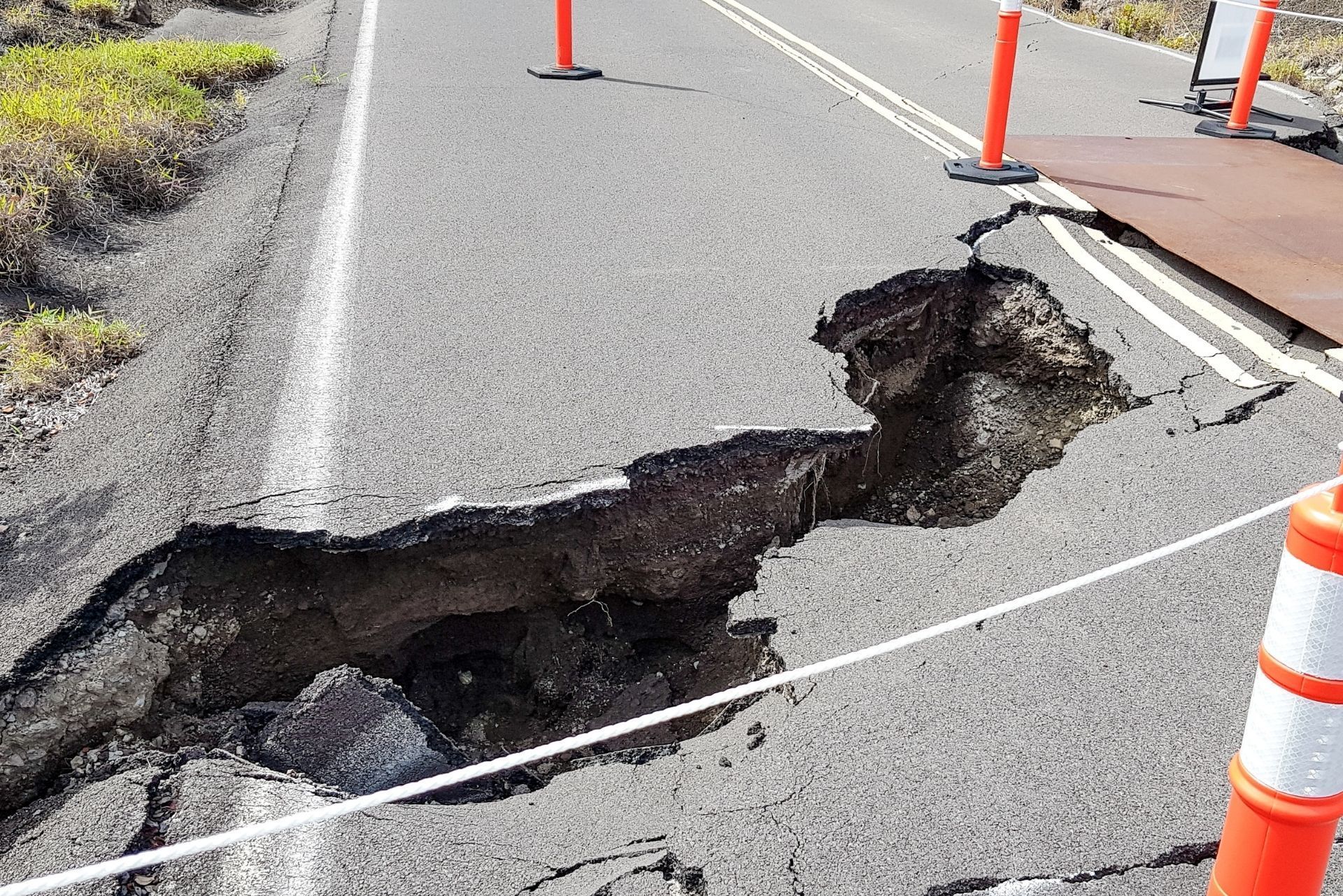
Your homeowners policy explicitly excludes damage from earth movement, including earthquakes, landslides, and sinkholes. This means if a tremor cracks your foundation, shifts your home off its footings, or damages your chimney, you're paying for repairs out of pocket. The exclusion applies regardless of what caused the earthquake, whether natural fault movement or injection well activity.
The gap catches many homeowners by surprise. After the 2021 Marshall Fire, 74% of affected homeowners discovered they were underinsured. While that disaster involved fire rather than earthquake, it illustrates how common coverage gaps are and how devastating they can be when disaster strikes.
What a Typical Earthquake Policy Protects
A standalone earthquake policy or endorsement covers damage to your home's structure, attached structures like garages, and often your personal belongings. Most policies also include additional living expenses if you need to relocate while repairs are made.
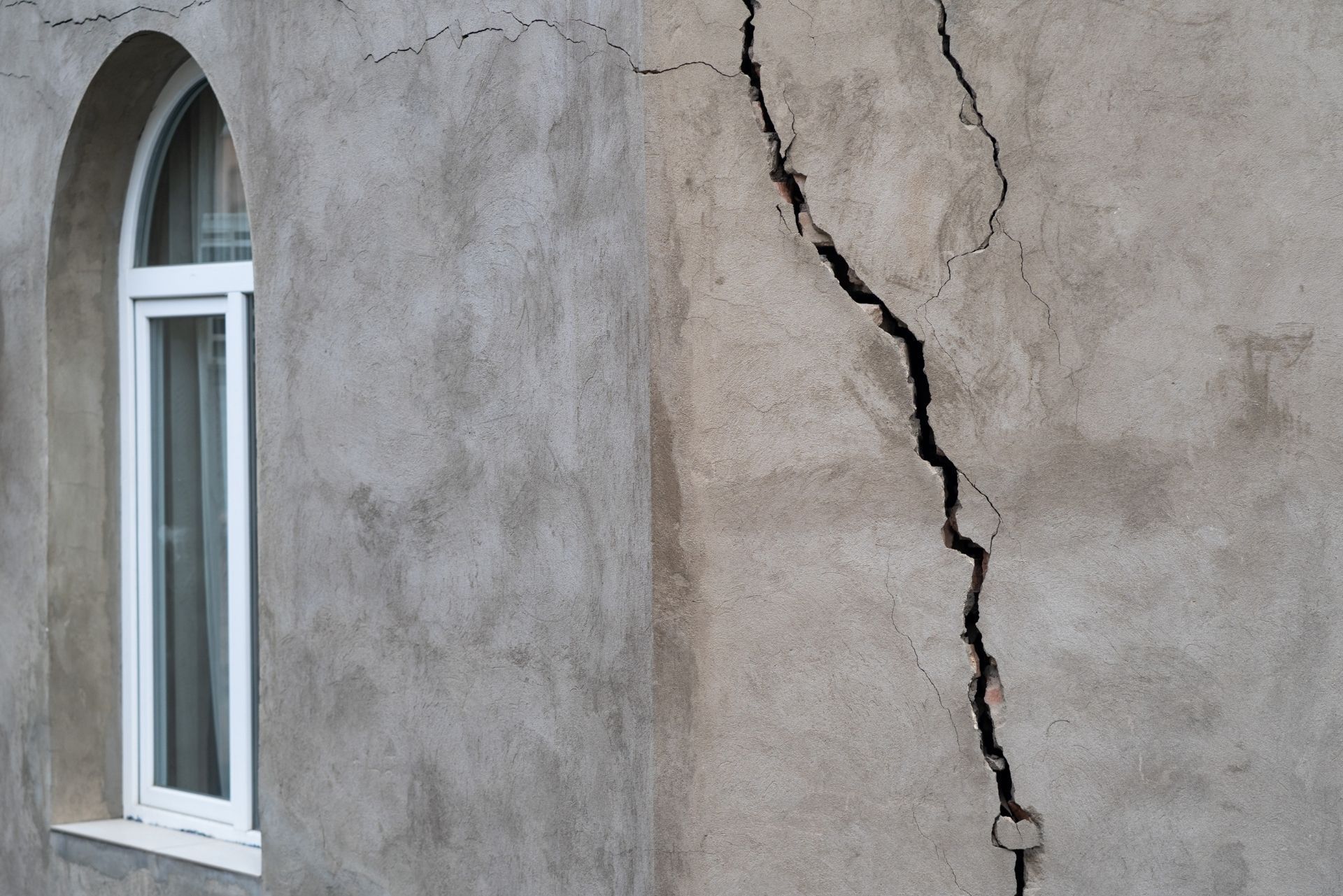
Coverage typically extends to foundation damage, cracked walls, broken windows, and collapsed chimneys. Some policies cover landscaping and detached structures like sheds, though limits vary. The key is reading the fine print: not all earthquake policies are created equal, and coverage details matter significantly when you're filing a claim.
Cost Analysis of Earthquake Insurance in the Rockies
Understanding what you'll actually pay for earthquake coverage requires looking beyond the base premium. Deductibles, coverage limits, and home-specific factors all influence the real cost of protection.
Factors Influencing Annual Premiums
Homeowners in Colorado can expect to pay
between 10% and 20% of their home's value for earthquake insurance. For a $400,000 home, that translates to roughly $400 to $800 annually. Several factors push premiums higher or lower.
| Factor | Impact on Premium |
|---|---|
| Home age | Older homes cost more to insure |
| Construction type | Wood frame is cheaper than brick or masonry |
| Foundation style | Raised foundations cost more than slab |
| Proximity to faults | Closer to known faults means higher rates |
| Soil type | Soft or sandy soil increases premiums |
| Deductible choice | Higher deductible lowers annual cost |
Your home's construction matters enormously. Wood-frame homes flex during earthquakes and typically sustain less damage than rigid brick or masonry structures. Homes built before modern building codes may lack the reinforcement needed to withstand shaking.
Understanding Percentage-Based Deductibles
Earthquake insurance deductibles work differently than your standard homeowners policy. Instead of a flat dollar amount, most earthquake policies use percentage-based deductibles ranging from 5% to 20% of your home's insured value.
For a home insured at $400,000 with a 10% deductible, you'd pay the first $40,000 of any earthquake damage before coverage kicks in. That's a substantial out-of-pocket expense. Choosing a higher deductible lowers your premium but increases your financial exposure if an earthquake occurs. Working with an independent agency like The Insurance Loft can help you compare options across multiple carriers and find the right balance between premium cost and deductible risk.
Evaluating the Value: When Is Coverage Necessary?
Not every Colorado homeowner needs earthquake insurance, but some face enough risk that going without coverage amounts to gambling with their largest asset.
Soil Types and Home Construction Vulnerabilities
The ground beneath your home determines how much shaking it will experience during an earthquake. Soft, sandy, or clay-rich soils amplify seismic waves, causing more violent motion than bedrock. Homes built on fill dirt or near rivers and lakes often sit on the most vulnerable soil types.
Construction vulnerabilities compound soil risks. Homes most susceptible to earthquake damage include:
- Unreinforced masonry buildings with brick or stone walls
- Homes with cripple walls (short wood-framed walls between the foundation and first floor)
- Houses with heavy tile or slate roofs
- Structures with large openings like garage doors without proper bracing
- Older homes built before seismic building codes
If your home checks multiple boxes on this list and sits on soft soil, earthquake insurance deserves serious consideration.
Proximity to the Rio Grande Rift and Front Range Faults
Geography matters when assessing earthquake risk. The Rio Grande Rift extends from central Colorado through New Mexico, representing one of the most seismically active zones in the interior United States. Communities along this rift, including parts of the San Luis Valley and areas near Leadville, face elevated risk.
The Front Range also hosts numerous faults, some capable of producing damaging earthquakes. Residents from Fort Collins to Colorado Springs live within zones where moderate earthquakes are geologically plausible. If you're within 30 miles of a known fault zone, the probability of experiencing a damaging earthquake during your home's lifetime increases substantially.
Alternatives and Mitigation Strategies for Homeowners
Insurance isn't the only way to protect yourself from earthquake damage. Physical improvements to your home and financial planning can both reduce your overall risk.
Retrofitting Older Homes for Seismic Resilience
Structural retrofitting can dramatically reduce earthquake damage, sometimes enough to make insurance less critical. Common retrofits include bolting the house to its foundation, bracing cripple walls, and reinforcing chimneys.
Foundation bolting typically costs $3,000 to $7,000 for an average home. Cripple wall bracing adds another $2,000 to $5,000. These investments not only reduce damage risk but may also qualify you for insurance discounts. Some homeowners find that the combination of retrofitting and a high-deductible earthquake policy provides the best balance of protection and cost.
Chimney reinforcement deserves special attention. Unreinforced masonry chimneys are among the most common earthquake casualties, and a falling chimney can cause injuries and significant roof damage. Reinforcing or replacing an old chimney costs $1,500 to $4,000 but eliminates a major vulnerability.
Emergency Savings vs. Insurance Premiums
Some homeowners opt to self-insure by building dedicated emergency savings instead of paying premiums. This approach makes sense if you can accumulate enough funds to cover a substantial loss and you're disciplined about keeping that money untouched.
The math works like this: if earthquake insurance costs $600 annually and you invest that money instead, you'd have roughly $7,500 after ten years (assuming modest returns). That might cover minor damage but would fall far short of major structural repairs. For homeowners with significant equity in their homes, relying solely on savings represents a substantial gamble.
A middle-ground approach involves carrying earthquake insurance with a high deductible while also building emergency savings. This limits your premium costs while ensuring catastrophic losses are covered.
Making the Right Decision for Your Home
Carole Walker, an insurance industry expert, recently noted that "we are in the most challenging property insurance market that we've seen in a generation." That pressure makes every coverage decision more consequential.
Earthquake insurance in Colorado makes the most sense for homeowners with older masonry construction, those living near the Rio Grande Rift or Front Range faults, and anyone who couldn't absorb a $50,000 or greater loss. For newer wood-frame homes on bedrock in lower-risk areas, the calculation tilts toward saving the premium dollars.
The Insurance Loft works with carriers including Nationwide, Travelers, and Chubb to help Colorado homeowners evaluate their specific risk and find coverage that fits their budget. An independent advisor can compare policies across multiple companies, often finding better rates or coverage terms than you'd find shopping alone.
Frequently Asked Questions
Does my regular homeowners policy cover any earthquake damage? No. Standard homeowners policies explicitly exclude earth movement, including earthquakes. You need a separate earthquake policy or endorsement for coverage.
How much does earthquake insurance cost in Colorado? Most homeowners pay between 10% and 20% of their dwelling coverage annually. For a $400,000 home, expect $400 to $800 per year depending on construction type, location, and deductible choice.
What's a percentage-based deductible? Unlike flat deductibles, earthquake policies typically require you to pay 5% to 20% of your home's insured value before coverage applies. A 10% deductible on a $400,000 home means $40,000 out of pocket.
Can I reduce my earthquake insurance premium? Yes. Retrofitting your home with foundation bolts, cripple wall bracing, and chimney reinforcement may qualify you for discounts. Choosing a higher deductible also lowers premiums.
Is earthquake risk increasing in Colorado? Human-induced seismicity from oil and gas operations has increased earthquake frequency in some areas. Natural seismic risk remains relatively stable but shouldn't be ignored.
ABOUT THE AUTHOR:
Brian J. Cook
I'm Brian J. Cook, co-founder and Managing Partner of The Insurance Loft, an independent insurance agency headquartered in Greenwood Village, Colorado. With a client-first approach to personal insurance, I help Colorado homeowners, drivers, and families find the right coverage — without the limitations of working with a single-carrier agent.
COVERAGE FOR YOUR LIFE
Personal Insurance Plans That Protect What Matters Most
From your home and car to your family and pets — we cover it all.
GET THE ANSWERS YOU NEED
Common Questions About The Insurance Loft
We believe informed clients make better coverage decisions. Here are the questions we hear most often.
What does it mean to be an independent insurance agency?
An independent insurance agency like The Insurance Loft is not tied to a single insurance company. We are licensed to work with multiple carriers — including Nationwide, Travelers, Progressive, Safeco, Chubb, and others — so we can compare options and find the best policy for your needs. When you work with a captive agent, you only see what that one company offers. When you work with us, you see the full market.
This independence also means we represent you, not the carrier. When a claim arises or your coverage needs to change, your advisor advocates for your interests — not the insurance company's bottom line. That is the core of what makes The Insurance Loft different.
Where is The Insurance Loft located and who do you serve?
The Insurance Loft is headquartered in Greenwood Village, Colorado, in the Denver Tech Center area. We serve individuals and families throughout Colorado — from the Denver Metro and Front Range to Colorado Springs, Boulder, Fort Collins, mountain communities, and beyond. Our office is conveniently located at 5990 Greenwood Plaza Blvd, Ste 270, Greenwood Village, CO 80111.
Whether you are a longtime Colorado resident or just moved to the state, The Insurance Loft can help you find the right personal insurance coverage. Our advisors understand Colorado's specific risks and regulations, and they know which carriers offer the best coverage options for your area. Call us at 800-409-9790 or schedule a call online to get started.
What types of insurance does The Insurance Loft offer?
We offer a full range of personal and commercial insurance products. On the personal side, we cover home, auto, renters, life, motorcycle, umbrella, and pet insurance. For businesses, we provide general liability, commercial property, workers compensation, professional liability, business auto, and specialty coverage for industries like construction, food and beverage, brewery, and cannabis operations.
We also offer surety bonds for businesses that require them. Our goal is to be your single resource for every insurance need — personal or commercial — throughout your life and the life of your business. If you are unsure what coverage you need, schedule a call and an advisor will walk you through your options at no cost.
What carriers does The Insurance Loft work with?
The Insurance Loft partners with more than 19 trusted insurance carriers to give clients access to a wide range of options. Our featured carrier partners include Nationwide, Travelers, Progressive, Safeco Insurance, Chubb, and Hagerty Insurance for collector vehicles. Each carrier brings different strengths, pricing structures, and coverage specialties, which is why having access to multiple companies matters.
Because we work with a diverse group of carriers, we are not pressured to place policies with any single company. Your advisor reviews your situation, identifies which carriers best match your needs, and presents your options clearly. This process consistently delivers better coverage at competitive prices compared to going directly to a single insurance company.
How does The Insurance Loft handle the claims process ?
When you need to file a claim, your dedicated Insurance Loft advisor is your first call. We provide claims support through our Member Services team and guide you through the process with your carrier. You will not be left to figure it out alone. Our advisors help you understand what your policy covers, what documentation is needed, and what to expect from the timeline.
You can also access claims support directly through our Member Services portal at theinsuranceloft.com. Our goal is to make the claims process as clear and stress-free as possible so you can focus on recovery. For urgent claims assistance, contact our Customer Care team at 800-409-9790 during business hours, Monday through Friday, 9 AM to 6 PM.
Why should I review my insurance coverage every year?
Your life changes constantly — and your insurance should change with it. A new home, a new vehicle, a renovation, a new employee, a business expansion, or a change in your income can all affect how much coverage you need. Reviewing your policy annually helps make sure you are not paying for coverage you no longer need, and that you are not underinsured in areas where your exposure has grown.
The Insurance Loft advisors proactively reach out at renewal time to review your current policies and flag anything that needs attention. Major life events like buying a home, starting a business, getting married, or having children are all good reasons to schedule an earlier review. Contact your advisor or call 800-409-9790 to set up a coverage review at any time.
INSURANCE KNOWLEDGE, MADE SIMPLE
Learn From Our Resource Center
Practical answers to real insurance questions — written by the advisors who help clients every day.



CONTACT US
Phone Number: 1-800-409-9790