

Thornton sits in an unusual position for a Colorado city. While most residents moved here expecting dry, arid conditions, the reality is more complicated. The South Platte River and its tributaries wind through Adams County, creating flood risks that catch many homeowners off guard. In South Thornton alone, 6.7% of properties face measurable flood risk, a figure that surprises people who associate flooding with coastal states rather than the Front Range.
Understanding flood insurance costs and risk zones in Thornton requires looking beyond the obvious. Yes, properties near waterways need coverage. But the data tells a more nuanced story: nearly 25% of flood claims come from properties outside designated high-risk areas. That statistic alone should make every Thornton homeowner reconsider whether they actually need flood protection, regardless of what their lender requires. The average Colorado homeowner pays around $860 annually for flood insurance, though your actual costs depend heavily on your specific property characteristics, elevation, and which zone FEMA has assigned to your address.
Understanding Flood Risk in Thornton and Adams County
Thornton's flood risk stems from its geography. The city developed across drainage basins that funnel water from higher elevations toward the South Platte, creating concentrated flow paths during heavy precipitation events. Unlike coastal flooding, which builds gradually, Colorado's flood events often strike fast. Intense afternoon thunderstorms can dump several inches of rain in hours, overwhelming drainage systems and sending water into areas that seem perfectly safe on dry days.
Adams County's relatively flat terrain compounds the problem. Water doesn't drain quickly when there's nowhere obvious for it to go. Development over the past few decades has also increased impervious surfaces, meaning more rainwater runs off rather than soaking into the ground.
The Role of South Platte River and Local Tributaries
The South Platte River forms the primary flood corridor through the Denver metro area, including portions of Thornton. Several smaller tributaries feed into this system, including Big Dry Creek, which runs directly through central Thornton. These waterways look manageable most of the year, often appearing as modest streams or dry channels. During significant rain events, they transform.
Big Dry Creek has historically caused localized flooding in neighborhoods that developed near its banks before modern floodplain regulations took effect. Properties within a few hundred feet of these tributaries face the highest statistical risk, but the danger extends further than many realize.
Historical Flood Events in the North Metro Area
The September 2013 floods remain the benchmark event for understanding Colorado's flood potential. While Boulder County received the most dramatic coverage, the entire Front Range experienced significant impacts. Thornton saw road closures, property damage, and a stark reminder that flood events here aren't theoretical.
Smaller events occur more frequently than major disasters. Localized flooding from summer storms happens nearly every year somewhere in Adams County. These events rarely make headlines but cause real damage to basements, garages, and ground-floor living spaces.


By: Brian J. Cook
Founder & Managing Partner of The Insurance Loft
FEMA's flood maps determine everything from insurance requirements to property values. Understanding how to read these maps gives you a significant advantage when evaluating properties or assessing your current risk level. The maps divide areas into zones based on statistical probability of flooding over a 30-year mortgage period.
Identifying High-Risk Special Flood Hazard Areas (SFHA)
Special Flood Hazard Areas carry designations starting with the letter A or V. In Thornton, you'll primarily see Zone A and Zone AE designations along the South Platte corridor and near major tributaries. Properties in these zones have at least a 1% annual chance of flooding, which translates to a 26% chance of flooding over a 30-year mortgage.
Lenders require flood insurance for properties in SFHAs with federally backed mortgages. There's no negotiating this requirement. If your property falls within these boundaries, you'll need coverage before closing and must maintain it throughout your loan term.
Moderate-to-Low Risk Zones: Why They Still Need Coverage
Zone X properties fall outside high-risk designations, but this doesn't mean they're flood-proof. Nearly 25% of flood claims come from outside high-risk zones, a statistic that should give every Zone X homeowner pause. These claims often result from drainage issues, overwhelmed storm systems, or unusual weather patterns that exceed historical norms.
The advantage of Zone X status is choice. Lenders won't require coverage, but you can still purchase it, often at significantly lower rates than high-risk zone properties pay. Given that standard homeowners policies explicitly exclude flood damage, this optional coverage fills a dangerous gap.
Your flood insurance premium reflects multiple factors beyond just your flood zone designation. Average costs in Colorado range from $600 to $1,200 annually, but individual properties can fall well outside this range depending on specific characteristics.
Impact of FEMA's Risk Rating 2.0 Methodology
FEMA's Risk Rating 2.0 system, implemented in recent years, fundamentally changed how premiums are calculated. The old system relied heavily on zone designations and basic elevation data. Risk Rating 2.0 incorporates property-specific factors including distance to water sources, flood frequency, reconstruction costs, and multiple flood types.
For some Thornton homeowners, this shift meant lower premiums as the new system recognized their actual risk was lower than their zone suggested. Others saw increases when granular analysis revealed previously unaccounted risks. The system aims for actuarial fairness, meaning premiums better reflect individual property risk rather than broad geographic averages.
Property-Specific Variables: Elevation and Replacement Cost
Elevation relative to the base flood elevation remains the single most influential factor in premium calculation. Properties elevated above expected flood levels pay substantially less than those at or below these benchmarks. An elevation certificate, obtained through a licensed surveyor, documents your property's specific elevation and can sometimes reveal that your home sits higher than assumed.
Replacement cost also matters significantly. Higher-value homes cost more to insure because potential claim payouts are larger. This creates an interesting dynamic where two neighboring properties might pay different premiums based purely on construction quality and square footage.
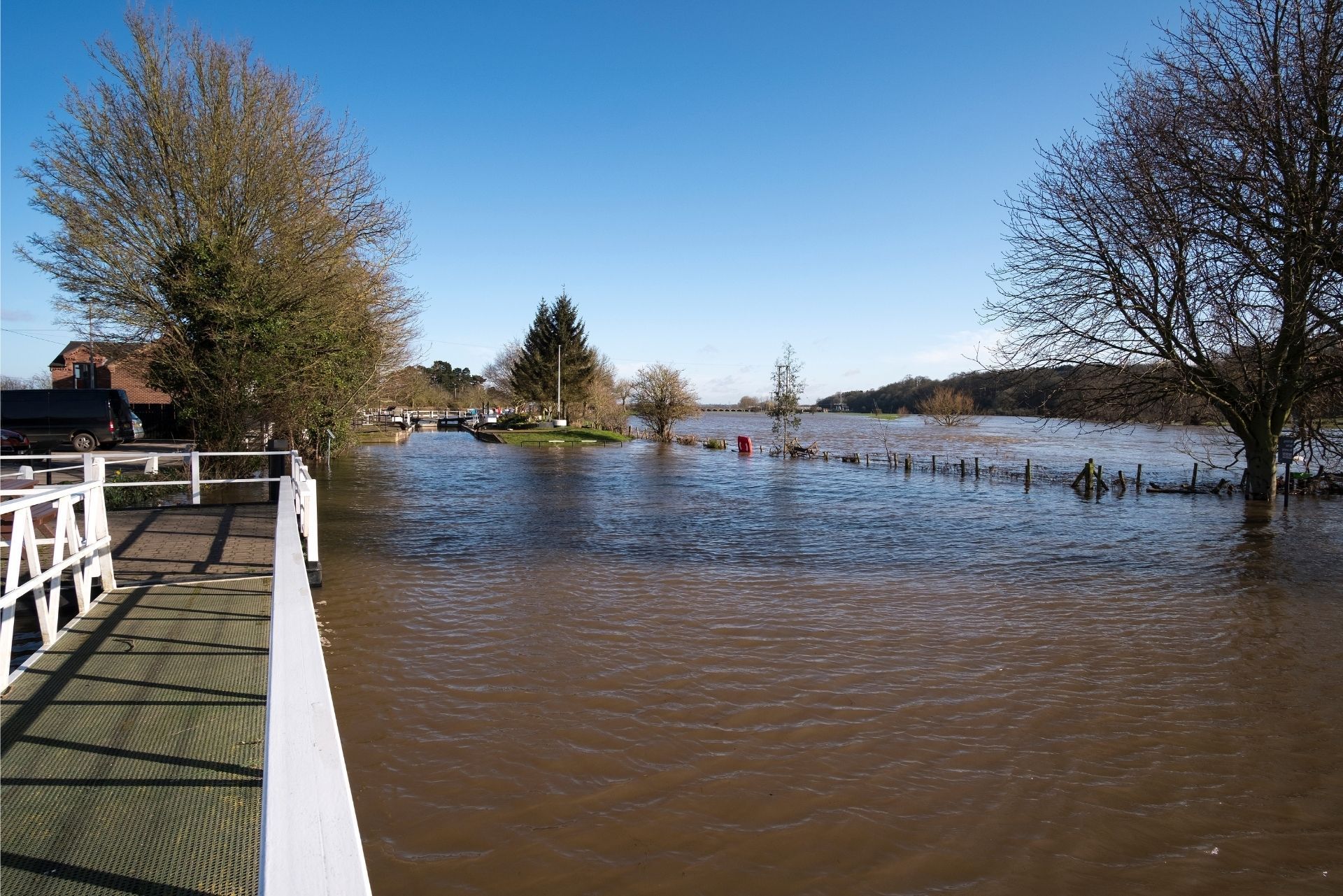
The National Flood Insurance Program isn't your only option, though it remains the most common choice for Thornton homeowners. Private insurers have entered the flood market aggressively, sometimes offering better coverage at competitive prices.
| Feature | NFIP | Private Insurance |
|---|---|---|
| Building Coverage Cap | $250,000 | Often $1M+ |
| Contents Coverage Cap | $100,000 | Varies by policy |
| Waiting Period | 30 days | Sometimes shorter |
| Basement Coverage | Limited | May be more flexible |
| Loss of Use | Not covered | Often included |
| Premium Flexibility | Standardized | Competitive pricing |
National Flood Insurance Program (NFIP) Limitations
The NFIP provides essential coverage but comes with constraints. Residential building coverage caps at $250,000, which may fall short for higher-value Thornton homes. Contents coverage maxes at $100,000. These limits leave gaps for homeowners with significant property values or extensive personal belongings.
Basement coverage under NFIP is particularly restrictive. The program covers essential systems like furnaces and water heaters but excludes finished basement improvements, furniture, and most personal property stored below ground level.
Benefits of Private Market Policies for Thornton Homeowners
Private flood insurers can offer higher coverage limits, more flexible terms, and sometimes lower premiums for properties with favorable risk profiles. Working with an independent agency like The Insurance Loft allows comparison across multiple carriers to find the best combination of coverage and cost for your specific situation.
Private policies often include loss of use coverage, paying for temporary housing if flooding makes your home uninhabitable. NFIP policies don't offer this benefit. For families who would face significant hardship relocating during repairs, this coverage alone might justify exploring private options.
Coverage Essentials: What Your Policy Protects
Understanding exactly what your flood policy covers prevents unpleasant surprises during claims. Both NFIP and private policies distinguish between building coverage and contents coverage, and both have notable exclusions.
Building Property vs. Personal Contents Coverage
Building coverage protects the structure itself: foundation, walls, electrical systems, plumbing, HVAC equipment, and permanently installed features like built-in appliances and cabinets. Contents coverage protects your belongings: furniture, electronics, clothing, and other personal property.
You need both types of coverage for comprehensive protection. Some homeowners mistakenly purchase only building coverage, assuming their homeowners policy covers contents. It doesn't. Flood damage to personal property requires specific flood coverage.
Common Exclusions: Basements and Landscaping
Every flood policy excludes certain damage types. Landscaping, decks, patios, fences, and swimming pools typically aren't covered. Vehicles parked in garages need separate flood coverage through auto policies. Currency, precious metals, and important documents stored in flooded areas aren't covered.
Basement exclusions trip up many homeowners. While structural elements and mechanical systems get coverage, finished basement improvements often don't. That home theater, guest bedroom, or home office you built out? Likely excluded or severely limited under standard policies.
How to Secure Coverage and Reduce Mitigation Costs
Getting flood insurance involves selecting coverage levels, choosing between NFIP and private options, and understanding how to reduce premiums through smart choices.
Raising your deductible from $1,000 to $5,000 can reduce premiums by 15-40%, making higher deductibles worth considering if you have emergency savings to cover the difference during a claim. Elevation certificates can sometimes reveal your property sits higher than FEMA maps indicate, potentially lowering your risk classification.
The Insurance Loft works with Thornton homeowners to compare NFIP and private options, identify potential savings, and ensure coverage actually matches property values. Because we're independent, we're not pushing one carrier's products. We're finding what genuinely works best for your situation.
Frequently Asked Questions
Do I need flood insurance if I'm not in a high-risk zone? Lenders won't require it, but roughly 25% of flood claims come from low-risk zones. Given that homeowners insurance excludes flood damage entirely, coverage remains worth considering.
How long before my flood policy takes effect? NFIP policies have a 30-day waiting period. Some private insurers offer shorter waiting periods, occasionally as little as 10-14 days.
Will my premium change if FEMA updates the flood maps? Yes. Map revisions can move properties into or out of high-risk zones, directly affecting premiums and lender requirements.
Can I get coverage for my finished basement? Standard NFIP coverage is limited for finished basements. Some private insurers offer more comprehensive basement coverage, making them worth exploring if you've invested significantly in below-grade living space.
What's the average flood insurance cost in Thornton?
Colorado averages around $860 annually, but individual premiums vary significantly based on property characteristics, coverage levels, and zone designation.
Flood risk in Thornton isn't going away. Climate patterns suggest intense precipitation events may actually increase over coming decades. Whether you're in a high-risk zone with mandatory coverage requirements or a moderate-risk area where coverage remains optional, understanding your actual exposure matters.
Review your current coverage, check your FEMA zone designation, and consider whether your limits adequately protect your property value. If you're unsure where to start, reach out to The Insurance Loft for a straightforward comparison of your options across multiple carriers.
ABOUT THE AUTHOR:
Brian J. Cook
I'm Brian J. Cook, co-founder and Managing Partner of The Insurance Loft, an independent insurance agency headquartered in Greenwood Village, Colorado. With a client-first approach to personal insurance, I help Colorado homeowners, drivers, and families find the right coverage — without the limitations of working with a single-carrier agent.
COVERAGE FOR YOUR LIFE
Personal Insurance Plans That Protect What Matters Most
From your home and car to your family and pets — we cover it all.
GET THE ANSWERS YOU NEED
Common Questions About The Insurance Loft
We believe informed clients make better coverage decisions. Here are the questions we hear most often.
What does it mean to be an independent insurance agency?
An independent insurance agency like The Insurance Loft is not tied to a single insurance company. We are licensed to work with multiple carriers — including Nationwide, Travelers, Progressive, Safeco, Chubb, and others — so we can compare options and find the best policy for your needs. When you work with a captive agent, you only see what that one company offers. When you work with us, you see the full market.
This independence also means we represent you, not the carrier. When a claim arises or your coverage needs to change, your advisor advocates for your interests — not the insurance company's bottom line. That is the core of what makes The Insurance Loft different.
Where is The Insurance Loft located and who do you serve?
The Insurance Loft is headquartered in Greenwood Village, Colorado, in the Denver Tech Center area. We serve individuals and families throughout Colorado — from the Denver Metro and Front Range to Colorado Springs, Boulder, Fort Collins, mountain communities, and beyond. Our office is conveniently located at 5990 Greenwood Plaza Blvd, Ste 270, Greenwood Village, CO 80111.
Whether you are a longtime Colorado resident or just moved to the state, The Insurance Loft can help you find the right personal insurance coverage. Our advisors understand Colorado's specific risks and regulations, and they know which carriers offer the best coverage options for your area. Call us at 800-409-9790 or schedule a call online to get started.
What types of insurance does The Insurance Loft offer?
We offer a full range of personal and commercial insurance products. On the personal side, we cover home, auto, renters, life, motorcycle, umbrella, and pet insurance. For businesses, we provide general liability, commercial property, workers compensation, professional liability, business auto, and specialty coverage for industries like construction, food and beverage, brewery, and cannabis operations.
We also offer surety bonds for businesses that require them. Our goal is to be your single resource for every insurance need — personal or commercial — throughout your life and the life of your business. If you are unsure what coverage you need, schedule a call and an advisor will walk you through your options at no cost.
What carriers does The Insurance Loft work with?
The Insurance Loft partners with more than 19 trusted insurance carriers to give clients access to a wide range of options. Our featured carrier partners include Nationwide, Travelers, Progressive, Safeco Insurance, Chubb, and Hagerty Insurance for collector vehicles. Each carrier brings different strengths, pricing structures, and coverage specialties, which is why having access to multiple companies matters.
Because we work with a diverse group of carriers, we are not pressured to place policies with any single company. Your advisor reviews your situation, identifies which carriers best match your needs, and presents your options clearly. This process consistently delivers better coverage at competitive prices compared to going directly to a single insurance company.
How does The Insurance Loft handle the claims process ?
When you need to file a claim, your dedicated Insurance Loft advisor is your first call. We provide claims support through our Member Services team and guide you through the process with your carrier. You will not be left to figure it out alone. Our advisors help you understand what your policy covers, what documentation is needed, and what to expect from the timeline.
You can also access claims support directly through our Member Services portal at theinsuranceloft.com. Our goal is to make the claims process as clear and stress-free as possible so you can focus on recovery. For urgent claims assistance, contact our Customer Care team at 800-409-9790 during business hours, Monday through Friday, 9 AM to 6 PM.
Why should I review my insurance coverage every year?
Your life changes constantly — and your insurance should change with it. A new home, a new vehicle, a renovation, a new employee, a business expansion, or a change in your income can all affect how much coverage you need. Reviewing your policy annually helps make sure you are not paying for coverage you no longer need, and that you are not underinsured in areas where your exposure has grown.
The Insurance Loft advisors proactively reach out at renewal time to review your current policies and flag anything that needs attention. Major life events like buying a home, starting a business, getting married, or having children are all good reasons to schedule an earlier review. Contact your advisor or call 800-409-9790 to set up a coverage review at any time.
INSURANCE KNOWLEDGE, MADE SIMPLE
Learn From Our Resource Center
Practical answers to real insurance questions — written by the advisors who help clients every day.



CONTACT US
Phone Number: 1-800-409-9790