

Colorado's mountain passes and scenic byways draw thousands of 5th wheel enthusiasts every year, from weekend warriors escaping Denver to full-timers chasing perfect weather across the Western Slope. But here's what catches many owners off guard: insuring a 5th wheel in Colorado isn't quite like insuring one anywhere else. The combination of high-altitude terrain, unpredictable weather patterns, and varying usage needs creates a unique insurance landscape that requires careful consideration.
Whether you're towing your rig up to Rocky Mountain National Park or settling into a seasonal spot near Durango, understanding your coverage options and what you'll actually pay matters more than most agents will tell you. Fifth-wheel insurance can range from $400 to $1,500 annually, depending on your rig's value and the coverage you select. That's a significant spread, and where you land depends on factors specific to Colorado's conditions and your particular situation.
The good news? Once you understand the requirements, coverage types, and cost factors, you can make smart decisions that protect your investment without overpaying. The not-so-good news? Many RV owners discover gaps in their coverage only after filing a claim. Let's make sure that doesn't happen to you.
Understanding 5th Wheel Insurance Requirements in Colorado
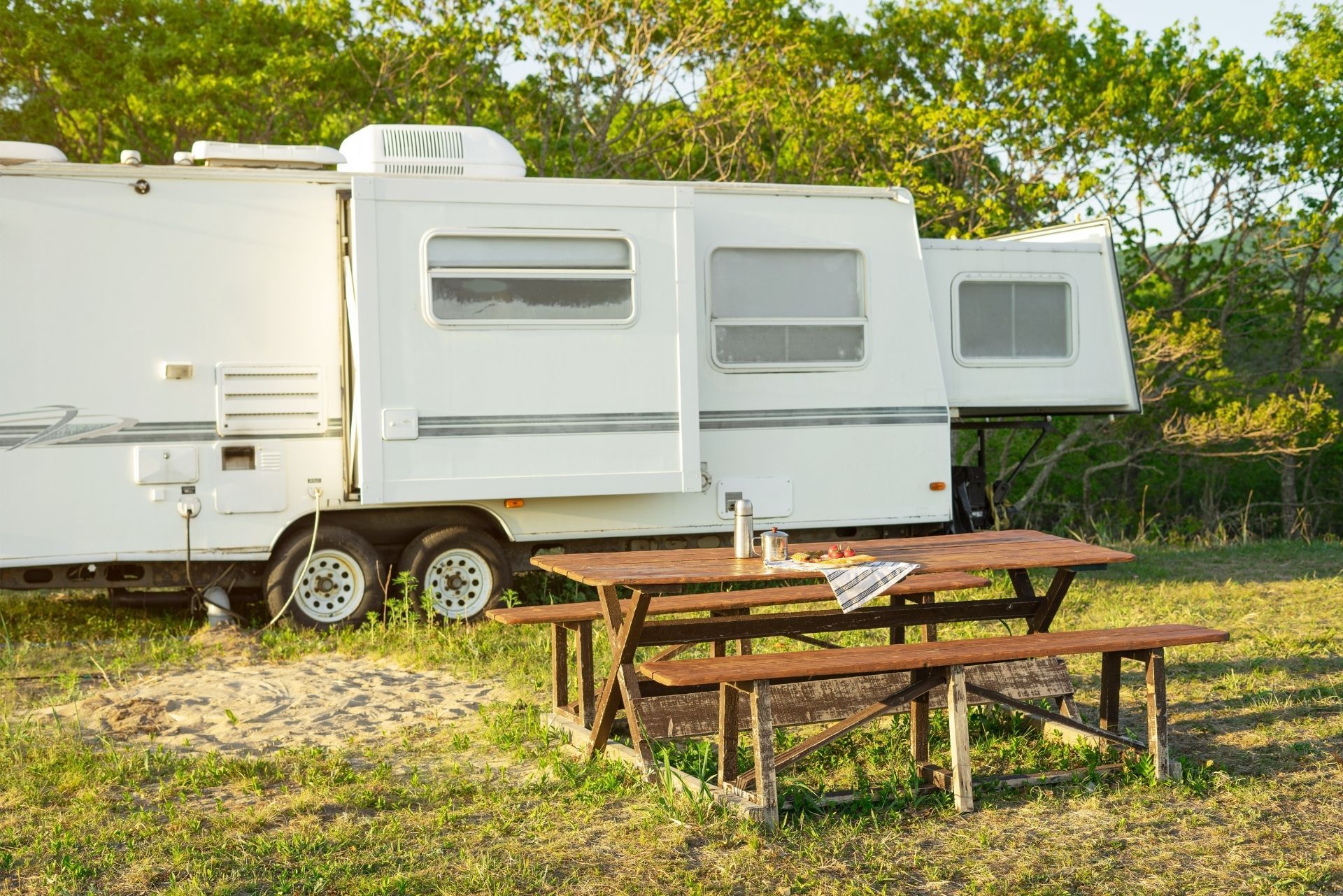
Colorado treats 5th wheels differently than motorized RVs when it comes to insurance requirements. Since your 5th wheel is towed, it doesn't need its own liability policy for road use. Your tow vehicle's liability coverage handles that. However, this creates a false sense of security for many owners who assume their auto policy covers everything.
Your tow vehicle's comprehensive and collision coverage typically doesn't extend to the trailer itself. That means if a hailstorm in Colorado Springs damages your 5th wheel, or you back into a post at a campground, you're looking at out-of-pocket repairs unless you carry separate physical damage coverage on the trailer.
Liability Coverage vs. Physical Damage
Colorado requires minimum liability coverage for vehicles: $25,000 for bodily injury per person, $50,000 per accident, and $15,000 for property damage. While your truck handles road liability, you'll want to consider premises liability for when your 5th wheel is parked and occupied.
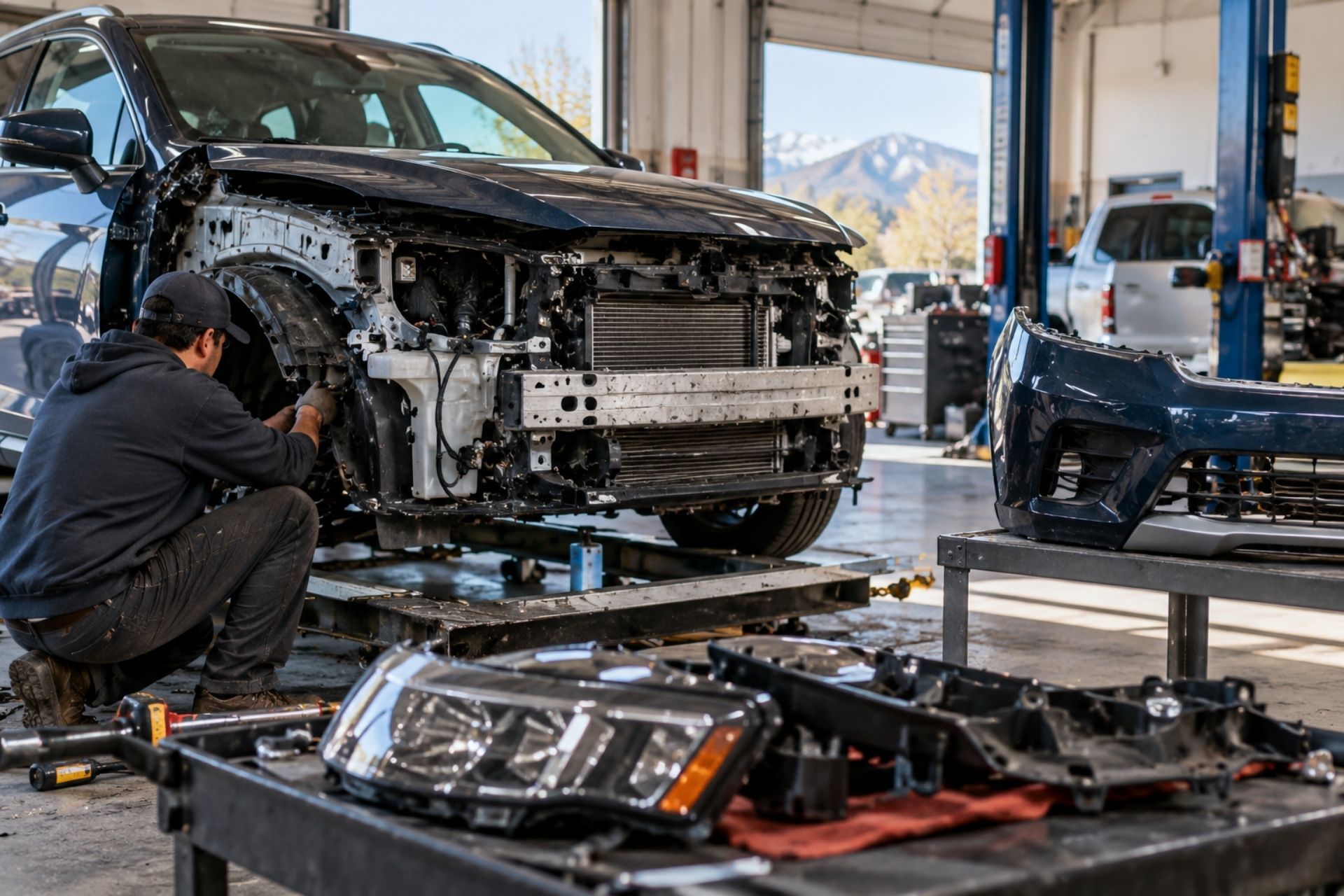
Physical damage coverage breaks into two categories: comprehensive and collision. Comprehensive covers theft, vandalism, fire, and weather damage. Collision covers accidents regardless of fault. Most lenders require both if you're financing your rig.
Full-Timer vs. Recreational Use Policies
How you use your 5th wheel dramatically affects your coverage needs. Recreational policies assume you have a permanent residence elsewhere and use the RV occasionally. Full-timer policies treat your 5th wheel as your primary residence, adding coverage elements similar to homeowner's insurance.
Full-timer policies typically include personal liability coverage for injuries occurring in or around your RV, medical payments for guests, and enhanced personal property protection. If you're spending more than six months annually in your 5th wheel, a full-timer policy isn't optional; it's essential.

By: Brian J. Cook
Founder & Managing Partner of The Insurance Loft
Building the right policy means understanding which coverage options deliver real value for your situation. Not every add-on makes sense for every owner, but skipping certain protections can prove costly.
Total Loss Replacement and Agreed Value
Standard policies often pay actual cash value after a total loss, meaning depreciation reduces your payout. A three-year-old 5th wheel worth $80,000 new might only net you $55,000 after depreciation, leaving you short when replacing it.
Total loss replacement coverage pays to replace your rig with a comparable new model, regardless of depreciation. Agreed value policies establish a set payout amount upfront, so there's no negotiation after a claim. For newer or high-value rigs, these options cost more but eliminate unpleasant surprises.
Personal Effects and Contents Protection
Your standard policy might include minimal contents coverage, often capping at $3,000 to $5,000. That sounds reasonable until you inventory your belongings: electronics, outdoor gear, kitchen equipment, clothing, tools. Contents add up quickly.
Working with an independent brokerage like The Insurance Loft lets you compare contents coverage limits across multiple carriers. Some policies offer replacement cost coverage for contents, while others pay depreciated value. The difference matters when replacing a five-year-old laptop.
Emergency Roadside Assistance and Towing
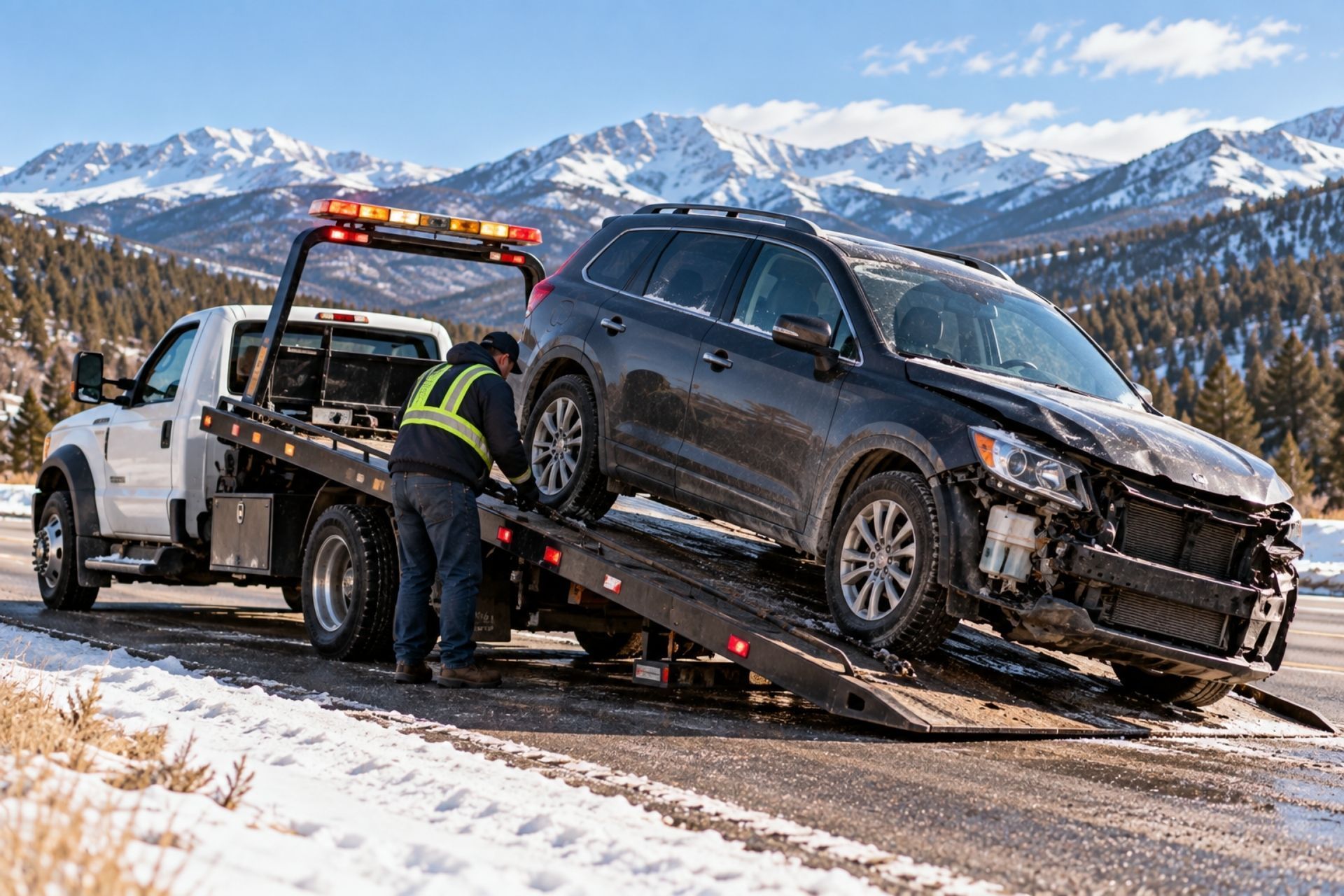
Breaking down with a 5th wheel creates complications regular roadside assistance doesn't cover. Standard auto club memberships often exclude trailers or limit towing distance. Dedicated RV roadside assistance covers towing for both your truck and trailer, tire service, mobile mechanic dispatch, and even lodging if repairs take multiple days.
Given Colorado's remote highways and mountain passes, this coverage earns its premium. A tow from Silverton to the nearest qualified service center can easily exceed $1,000.
Average Costs and Price Factors in the Centennial State
RV insurance in Colorado can range from $1,000 to $3,000 per year on average, though 5th wheels typically fall on the lower end of that spectrum since they lack engines and drivetrains. Progressive's
average 12-month RV insurance premium in Colorado was $1,175.90 for motorhomes in 2024, giving you a baseline for comparison.
| Coverage Type | Typical Annual Cost | Best For |
|---|---|---|
| Liability Only | $125 - $300 | Older rigs, paid-off trailers |
| Basic Full Coverage | $400 - $800 | Moderate value, occasional use |
| Comprehensive Full Coverage | $800 - $1,500 | Newer rigs, frequent travelers |
| Full-Timer Policy | $1,200 - $2,500 | Primary residence use |
Impact of Terrain and Weather on Premiums
Colorado's geography influences your premiums in ways that might surprise you. Insurers factor in hail frequency, and Colorado ranks among the highest-risk states for hail damage. Front Range communities see particularly high rates due to regular severe thunderstorms.
Mountain travel introduces additional risk factors. Steep grades stress brakes and transmissions, increasing accident likelihood. Remote locations complicate claims response. Some carriers adjust premiums based on where you store and primarily use your rig.
Estimating Monthly and Annual Rates
For budget planning, expect monthly premiums between $35 and $125 depending on coverage level and rig value. A $50,000 5th wheel with comprehensive coverage, agreed value, and enhanced contents protection typically runs $70 to $100 monthly.
Some Colorado RV owners save up to 35% on premiums through specialized carriers and discount combinations. Your actual rate depends on your rig's age, value, storage location, driving record, and coverage selections.
Specialized Add-ons for Mountain Travel
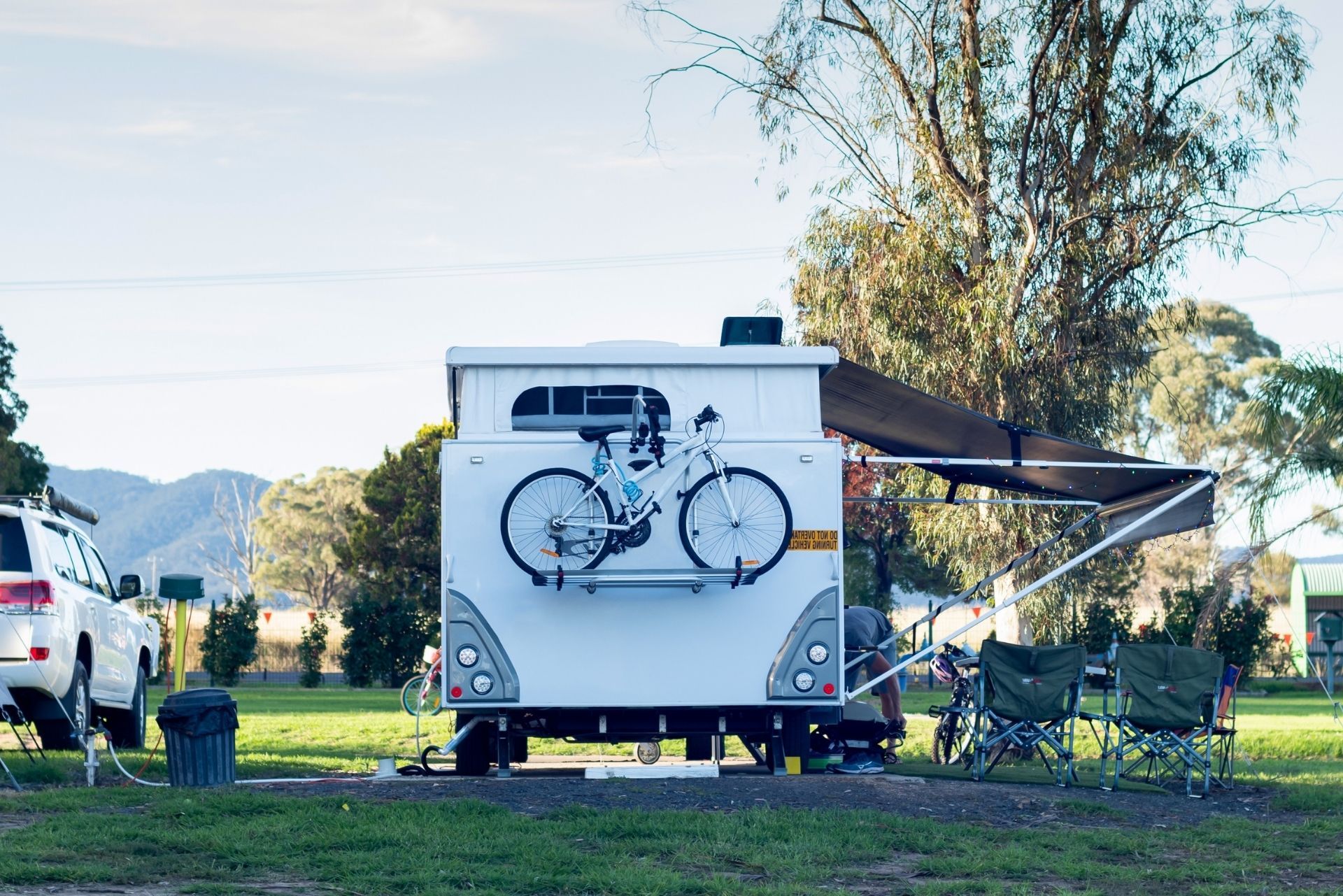
Standard policies don't always address Colorado-specific risks. Several add-on coverages deserve consideration for Centennial State travelers.
Campsite Liability and Vacation Liability
Campsite liability extends your coverage to accidents occurring at your campsite, including injuries from awnings, outdoor cooking equipment, or campfires. Standard policies may exclude these scenarios or provide minimal coverage.
Vacation liability covers you when staying at campgrounds, protecting against claims from neighboring campers or campground property damage. Given Colorado's busy campground scene, this coverage prevents uncomfortable situations from becoming financial disasters.
Pest and Rodent Protection
Here's one most agents won't mention: rodent damage claims. Colorado's high country attracts mice and other critters seeking shelter in stored RVs. Chewed wiring, damaged insulation, and contaminated interiors create expensive repairs.
Some policies exclude rodent damage entirely. Others cover it under comprehensive. The Insurance Loft advisors can identify which carriers include this coverage and which require separate endorsements. It's a small detail that matters significantly for owners storing rigs in rural areas.
Smart strategies can reduce your premiums without sacrificing necessary coverage. The key is knowing which discounts apply and which coverage reductions create unacceptable risk.
Bundling with Auto and Homeowners Policies
Bundling your 5th wheel policy with auto and homeowners coverage typically saves 10% to 25%. Beyond the discount, bundling simplifies claims when incidents involve multiple policies, like a towing accident damaging both truck and trailer.
Independent brokerages offer bundling advantages that captive agents can't match. Since they work with multiple carriers, they can find optimal combinations rather than forcing everything under one company's umbrella.
Safety Course and Storage Discounts
Completing an RV safety course from organizations like the RV Safety and Education Foundation qualifies you for discounts with most carriers. These courses also reduce accident likelihood, making the time investment worthwhile beyond premium savings.
Secure storage matters too. Storing your 5th wheel in a gated facility, covered storage, or garage reduces theft and weather damage risk. Insurers reward this with lower premiums. Installing anti-theft devices and tracking systems can add additional discounts.
Steps to Selecting the Right Colorado Provider
Finding the right insurance provider involves more than comparing quotes. Consider claims handling reputation, coverage flexibility, and local expertise.
Start by assessing your actual needs. How often do you travel? Where do you store your rig? What's it worth? Do you full-time or vacation occasionally? Honest answers shape your coverage requirements.
Get quotes from at least three providers, but compare coverage details, not just premiums. A cheaper policy with lower limits or more exclusions costs more when you need it. Progressive offers liability-only policies starting at $125 per year, but that baseline rarely provides adequate protection for valuable rigs.
Working with an independent agency gives you access to multiple carriers through a single advisor. The Insurance Loft, for example, represents carriers including Nationwide, Travelers, Progressive, and specialty RV insurers, allowing side-by-side comparisons you can't get from captive agents.
Frequently Asked Questions
Does my truck insurance cover my 5th wheel automatically? No. Your truck's liability coverage applies while towing, but physical damage coverage for the trailer requires a separate policy or endorsement.
What's the difference between agreed value and actual cash value? Agreed value pays a predetermined amount after a total loss. Actual cash value pays current market value minus depreciation, often significantly less than replacement cost.
Do I need full-timer coverage if I spend winters in my 5th wheel? If you're living in your RV more than six months annually or using it as your primary residence, full-timer coverage provides necessary protections standard policies exclude.
Are contents covered automatically? Most policies include limited contents coverage, typically $3,000 to $5,000. Higher limits require additional coverage or endorsements.
Does insurance cover hail damage in Colorado?
Comprehensive coverage includes hail damage. Given Colorado's hail frequency, skipping comprehensive coverage creates significant financial risk.
Making the Right Choice for Your Rig
Protecting your 5th wheel investment in Colorado requires understanding both state requirements and the unique risks mountain travel presents. The right coverage balances adequate protection against realistic premiums, avoiding both dangerous gaps and unnecessary expenses.
Take time to evaluate your actual usage patterns, storage situation, and risk tolerance. Compare policies based on coverage quality, not just price. And consider working with an independent advisor who can match your needs with the right carrier rather than pushing a single company's products.
Your 5th wheel represents freedom, adventure, and significant investment. Proper insurance ensures a roadside incident or mountain hailstorm doesn't derail your Colorado adventures.
ABOUT THE AUTHOR:
Brian J. Cook
I'm Brian J. Cook, co-founder and Managing Partner of The Insurance Loft, an independent insurance agency headquartered in Greenwood Village, Colorado. With a client-first approach to personal insurance, I help Colorado homeowners, drivers, and families find the right coverage — without the limitations of working with a single-carrier agent.
COVERAGE FOR YOUR LIFE
Personal Insurance Plans That Protect What Matters Most
From your home and car to your family and pets — we cover it all.
GET THE ANSWERS YOU NEED
Common Questions About The Insurance Loft
We believe informed clients make better coverage decisions. Here are the questions we hear most often.
What does it mean to be an independent insurance agency?
An independent insurance agency like The Insurance Loft is not tied to a single insurance company. We are licensed to work with multiple carriers — including Nationwide, Travelers, Progressive, Safeco, Chubb, and others — so we can compare options and find the best policy for your needs. When you work with a captive agent, you only see what that one company offers. When you work with us, you see the full market.
This independence also means we represent you, not the carrier. When a claim arises or your coverage needs to change, your advisor advocates for your interests — not the insurance company's bottom line. That is the core of what makes The Insurance Loft different.
Where is The Insurance Loft located and who do you serve?
The Insurance Loft is headquartered in Greenwood Village, Colorado, in the Denver Tech Center area. We serve individuals and families throughout Colorado — from the Denver Metro and Front Range to Colorado Springs, Boulder, Fort Collins, mountain communities, and beyond. Our office is conveniently located at 5990 Greenwood Plaza Blvd, Ste 270, Greenwood Village, CO 80111.
Whether you are a longtime Colorado resident or just moved to the state, The Insurance Loft can help you find the right personal insurance coverage. Our advisors understand Colorado's specific risks and regulations, and they know which carriers offer the best coverage options for your area. Call us at 800-409-9790 or schedule a call online to get started.
What types of insurance does The Insurance Loft offer?
We offer a full range of personal and commercial insurance products. On the personal side, we cover home, auto, renters, life, motorcycle, umbrella, and pet insurance. For businesses, we provide general liability, commercial property, workers compensation, professional liability, business auto, and specialty coverage for industries like construction, food and beverage, brewery, and cannabis operations.
We also offer surety bonds for businesses that require them. Our goal is to be your single resource for every insurance need — personal or commercial — throughout your life and the life of your business. If you are unsure what coverage you need, schedule a call and an advisor will walk you through your options at no cost.
What carriers does The Insurance Loft work with?
The Insurance Loft partners with more than 19 trusted insurance carriers to give clients access to a wide range of options. Our featured carrier partners include Nationwide, Travelers, Progressive, Safeco Insurance, Chubb, and Hagerty Insurance for collector vehicles. Each carrier brings different strengths, pricing structures, and coverage specialties, which is why having access to multiple companies matters.
Because we work with a diverse group of carriers, we are not pressured to place policies with any single company. Your advisor reviews your situation, identifies which carriers best match your needs, and presents your options clearly. This process consistently delivers better coverage at competitive prices compared to going directly to a single insurance company.
How does The Insurance Loft handle the claims process ?
When you need to file a claim, your dedicated Insurance Loft advisor is your first call. We provide claims support through our Member Services team and guide you through the process with your carrier. You will not be left to figure it out alone. Our advisors help you understand what your policy covers, what documentation is needed, and what to expect from the timeline.
You can also access claims support directly through our Member Services portal at theinsuranceloft.com. Our goal is to make the claims process as clear and stress-free as possible so you can focus on recovery. For urgent claims assistance, contact our Customer Care team at 800-409-9790 during business hours, Monday through Friday, 9 AM to 6 PM.
Why should I review my insurance coverage every year?
Your life changes constantly — and your insurance should change with it. A new home, a new vehicle, a renovation, a new employee, a business expansion, or a change in your income can all affect how much coverage you need. Reviewing your policy annually helps make sure you are not paying for coverage you no longer need, and that you are not underinsured in areas where your exposure has grown.
The Insurance Loft advisors proactively reach out at renewal time to review your current policies and flag anything that needs attention. Major life events like buying a home, starting a business, getting married, or having children are all good reasons to schedule an earlier review. Contact your advisor or call 800-409-9790 to set up a coverage review at any time.
INSURANCE KNOWLEDGE, MADE SIMPLE
Learn From Our Resource Center
Practical answers to real insurance questions — written by the advisors who help clients every day.

CONTACT US
Phone Number: 1-800-409-9790