

Most Colorado homeowners assume their sewer line is the city's problem until a plumber hands them a $5,000 repair estimate. That moment of realization hits hard: the pipe running from your house to the street is entirely your responsibility, and your standard homeowners policy probably won't cover the damage.
Sewer line problems don't announce themselves politely. One day you're flushing toilets without a second thought, the next you're watching sewage back up into your basement while frantically searching for emergency plumbing services. The average sewer line replacement in Denver costs around $4,231, though bills can climb past $6,000 depending on the damage and excavation required.
Colorado's unique geology makes this coverage particularly relevant. Our expansive clay soils shift with moisture changes, putting constant stress on underground pipes. Add in aging infrastructure across Denver's historic neighborhoods and the freeze-thaw cycles that crack even newer lines, and you've got a recipe for expensive surprises. Understanding what sewer line insurance covers and why Colorado homeowners specifically need it can save you from financial disaster when pipes inevitably fail.
Understanding Homeowner Liability for Colorado Sewer Lines
The line between city responsibility and homeowner liability isn't always obvious, and many people learn the hard way that they've been responsible for pipes they never knew existed.
The Difference Between Public and Private Lines
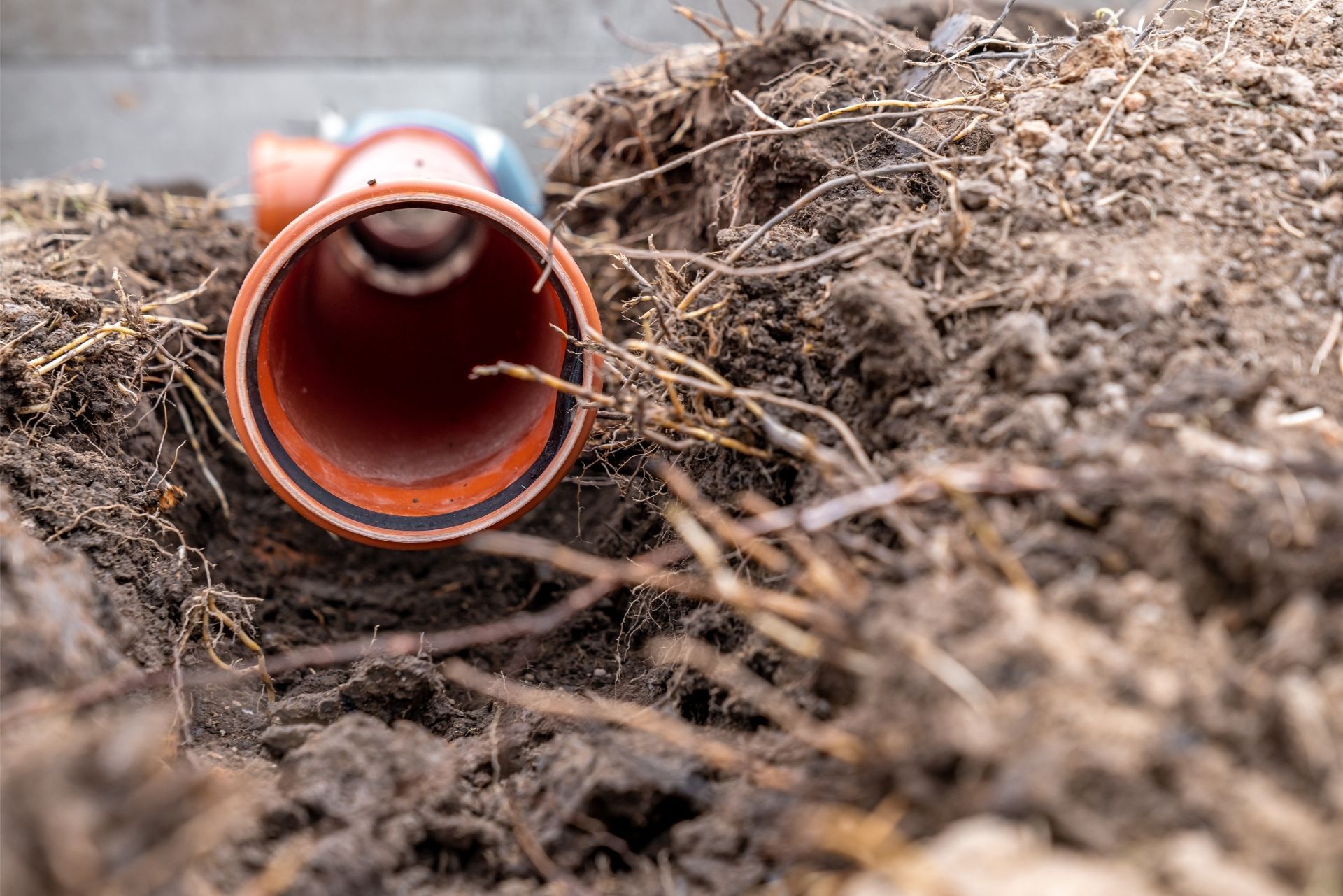
Your sewer system has two distinct parts. The public main runs under the street, maintained by your local municipality. The private lateral connects your home to that main, typically running from your foundation, under your yard, and to the property line or the connection point in the street. That private lateral belongs to you.
In most Colorado cities, homeowners own and maintain everything from the house to the tap connection at the public main. Some municipalities split responsibility at the property line, but don't assume this applies to your address. Denver Water, for instance, requires homeowners to maintain their entire service line to the main connection. This means any breaks, blockages, or collapses in that stretch fall squarely on your shoulders.
Why Standard Homeowners Insurance Often Falls Short
Here's what catches most people off guard: standard homeowners policies typically exclude sewer line damage. Your policy covers sudden and accidental damage to your dwelling, but underground pipes that deteriorate over time or fail due to tree roots don't qualify.
Insurance adjusters see claim denials weekly. As one Colorado claims specialist noted, "Most happen because homeowners don't know what their sewer line insurance coverage actually includes. Always buy the water backup endorsement at minimum." Even that endorsement has limits, often capping at $5,000 to $10,000 for water backup damage while excluding the actual line repair. You might get help cleaning up the mess but still face thousands in pipe replacement costs.

By: Brian J. Cook
Founder & Managing Partner of The Insurance Loft
Common Causes of Sewer Line Damage in Colorado
Colorado's environment creates specific challenges for underground pipes that homeowners in other states rarely face.
Impact of Expansive Soils and Shifting Foundations
The Front Range sits on bentonite clay, one of the most expansive soil types in the country. When this clay absorbs moisture, it swells dramatically. During dry periods, it shrinks and cracks. This constant movement puts tremendous stress on rigid sewer pipes, particularly older clay or cast iron lines.
Homes built on hillsides or in areas with poor drainage face even greater risk. The soil movement can shift entire pipe sections, creating bellies where waste accumulates or separating joints that allow roots and groundwater to infiltrate. New construction doesn't escape these problems either, as even modern PVC pipes can crack under severe soil pressure.
Tree Root Intrusion and Extreme Temperature Fluctuations
Tree roots seek moisture, and your sewer line is basically an underground water source with a "drink here" sign. Roots infiltrate through tiny cracks or joint separations, then expand inside the pipe until they create complete blockages. Colorado's mature cottonwoods, willows, and poplars are particularly aggressive offenders.
Temperature swings compound the damage. A January day might start at 5°F and hit 50°F by afternoon. These rapid fluctuations cause pipes to expand and contract repeatedly, weakening joints and creating the cracks that roots exploit. The freeze-thaw cycle also affects the soil around pipes, creating voids that allow lines to sag or shift.
Aging Infrastructure in Historic Colorado Neighborhoods
Neighborhoods in Capitol Hill, Park Hill, and older sections of Boulder and Fort Collins often have sewer lines dating to the early 1900s. These clay pipes, while durable for their era, have a practical lifespan of 50 to 100 years. Many have exceeded that window.
Orangeburg pipes present another concern. This tar-paper material was popular from the 1940s through the 1970s and tends to collapse after 50 years. If your home was built during this period, a camera inspection might reveal a ticking time bomb. Speaking of inspections, a
sewer camera inspection costs around $175 and can reveal problems before they become emergencies.
What Sewer Line Insurance Typically Covers
Understanding what you're actually buying helps you choose appropriate coverage levels and avoid unpleasant surprises at claim time.
Excavation and Repair Costs
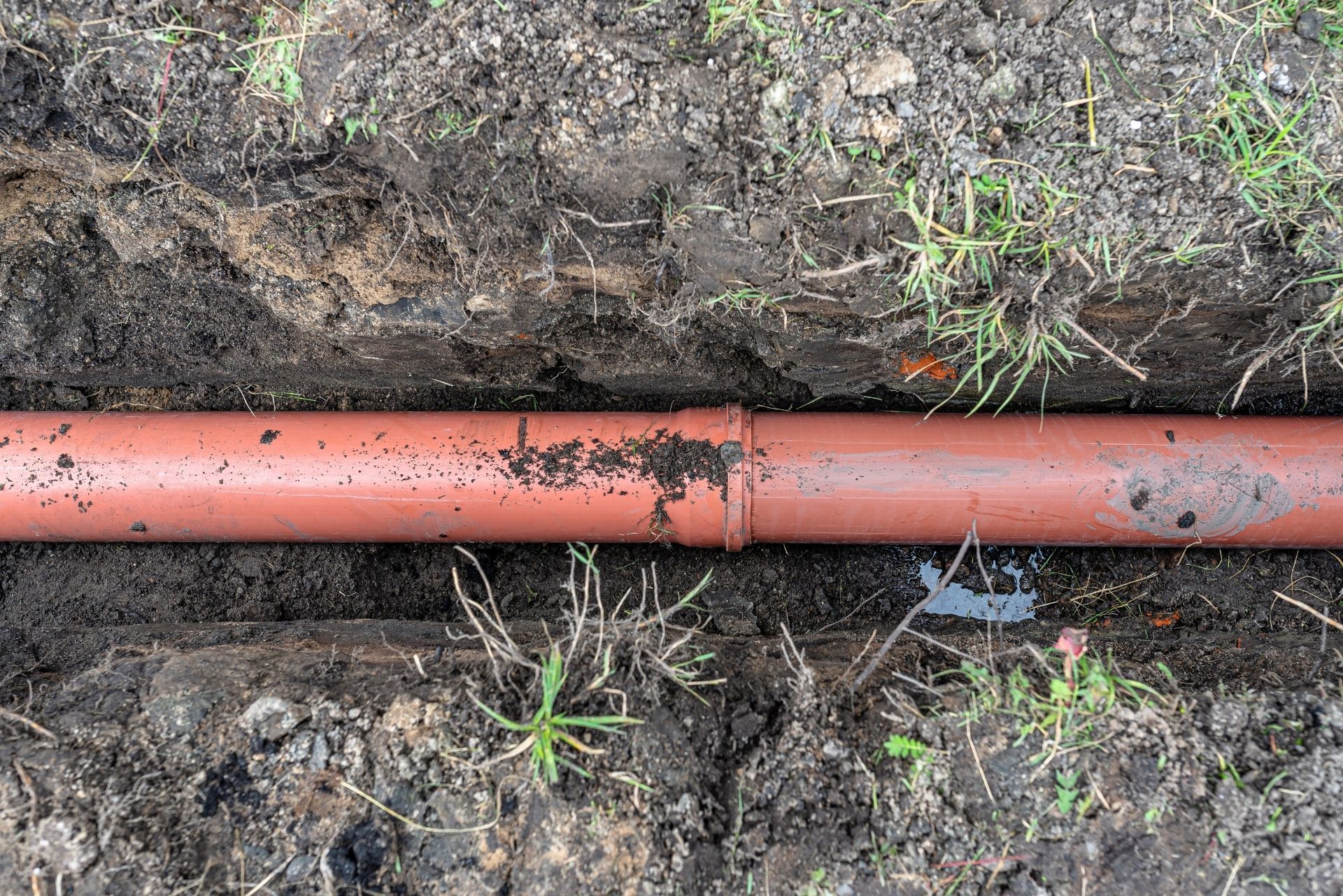
Most service line policies cover the actual pipe repair or replacement, including the excavation required to access buried lines. This represents the bulk of repair costs, as digging up a yard, driveway, or sidewalk requires heavy equipment and significant labor.
Trenchless repair methods, where available, can cost $3,500 to $10,000 but often run 30-50% less than traditional excavation. Good policies cover both methods, allowing you to choose the approach that makes sense for your situation. Coverage limits typically range from $10,000 to $25,000, which handles most residential repairs.
Hardscape and Landscape Restoration
Digging up a sewer line often means destroying driveways, patios, walkways, and landscaping. Quality policies include restoration coverage for these hardscape elements, returning your property to its pre-repair condition.
| Coverage Element | What's Typically Included | Common Exclusions |
|---|---|---|
| Pipe Repair/Replacement | Full cost up to policy limit | Pre-existing damage |
| Excavation | Labor and equipment | Permits in some policies |
| Driveway/Walkway Repair | Concrete and asphalt restoration | Decorative upgrades |
| Landscaping | Basic lawn restoration | Mature trees, specialty plants |
| Interior Damage | Water backup cleanup | Mold beyond initial response |
Homeowners should
budget $400 to $1,000 for permits and inspections in Denver, which some policies cover and others exclude. Read your policy carefully.
Evaluating Service Line Endorsements vs. Independent Policies
You have two main options for sewer line coverage: adding an endorsement to your existing homeowners policy or purchasing a standalone service line policy.
Endorsements through your current insurer typically offer convenience and bundled pricing. You'll have one point of contact for claims, and the coverage integrates with your existing policy. The downside is that coverage limits and terms vary significantly between carriers. Some endorsements only cover water and sewer lines, while others include gas, electrical, and communication lines.
Independent policies from utility companies or specialty insurers often provide higher coverage limits and more comprehensive terms. Service line coverage through these providers typically costs between $30 and $70 annually, making it an affordable addition to your protection strategy.
At The Insurance Loft, we've found that comparing options across multiple carriers reveals significant differences in coverage terms. An independent agency can show you endorsements from carriers like Nationwide, Travelers, and Safeco alongside standalone options, helping you identify the best fit for your specific property and budget.
Financial Benefits and Risk Mitigation for Homeowners
The math on sewer line insurance is straightforward when you compare premiums to potential repair costs.
Comparing Monthly Premiums to Out-of-Pocket Repair Costs
At $30 to $70 per year, service line coverage costs roughly $3 to $6 monthly. Compare that to the Denver average repair cost of $4,231, and you'd need to pay premiums for 60 to 140 years before spending what a single repair might cost.
The risk calculation becomes clearer when you consider Colorado-specific factors. Our expansive soils, temperature extremes, and aging infrastructure create higher-than-average failure rates. A homeowner in a 1950s Denver bungalow with mature trees faces meaningfully higher risk than someone in a 2020 build with PVC lines and minimal landscaping.
Beyond the repair itself, consider the disruption costs: emergency plumber fees, temporary accommodations if your home becomes uninhabitable, and the stress of managing a major home repair. Insurance provides peace of mind alongside financial protection.
How to Select the Right Coverage for Your Property
Choosing appropriate sewer line coverage requires understanding your property's specific risk profile.
Start with your home's age and pipe material. Homes built before 1970 likely have clay or Orangeburg pipes approaching or exceeding their lifespan. A pre-purchase or periodic camera inspection can reveal current pipe condition and help you determine appropriate coverage levels.
Evaluate your lot characteristics. Large trees near the sewer line, hillside locations, or known drainage issues increase your risk. Properties with long runs from the house to the street have more pipe exposed to potential damage.
Review coverage limits carefully. A $10,000 limit might handle a simple repair but fall short if extensive excavation or hardscape restoration is needed. Consider your driveway material, landscaping investment, and the distance to your street connection when selecting limits.
Working with an independent broker gives you access to multiple options. The Insurance Loft compares endorsements and standalone policies across carriers, identifying coverage that matches your property's needs without paying for unnecessary extras. A licensed advisor can explain the differences between policies and help you understand what's actually covered before you need to file a claim.
Frequently Asked Questions
Does my regular homeowners insurance cover sewer line repairs? Standard policies typically exclude sewer line damage. You need a specific service line endorsement or standalone policy to cover repair costs.
How do I know if my sewer line is my responsibility? In most Colorado municipalities, you own the line from your home to the connection at the public main. Contact your local utility to confirm the exact division point for your property.
What's the average cost of sewer line replacement in Colorado? Denver-area replacements average around $4,231, with a typical range of $2,364 to $6,098 depending on line length, depth, and access requirements.
Should I get a sewer camera inspection before buying coverage? Yes, especially for older homes. A $175 inspection can reveal existing problems that might affect coverage eligibility or help you choose appropriate coverage limits.
Can I add sewer line coverage mid-policy? Most insurers allow you to add endorsements at any time, though coverage for existing or known problems will be excluded.
Making the Right Choice for Your Home
Sewer line insurance fills a critical gap in most Colorado homeowners' protection. The combination of our challenging soil conditions, extreme temperatures, and aging infrastructure creates real risk that standard policies don't address.
For $30 to $70 annually, you can transfer thousands of dollars in potential repair costs to an insurance carrier. That's a straightforward value proposition, especially for homes with older pipes, mature trees, or other risk factors.
If you're unsure about your current coverage or want to compare options, The Insurance Loft can review your existing policy and show you available endorsements and standalone options from multiple carriers. A quick conversation with a licensed advisor can clarify what you have, what you need, and what it will cost to close any gaps.
ABOUT THE AUTHOR:
Brian J. Cook
I'm Brian J. Cook, co-founder and Managing Partner of The Insurance Loft, an independent insurance agency headquartered in Greenwood Village, Colorado. With a client-first approach to personal insurance, I help Colorado homeowners, drivers, and families find the right coverage — without the limitations of working with a single-carrier agent.
COVERAGE FOR YOUR LIFE
Personal Insurance Plans That Protect What Matters Most
From your home and car to your family and pets — we cover it all.
GET THE ANSWERS YOU NEED
Common Questions About The Insurance Loft
We believe informed clients make better coverage decisions. Here are the questions we hear most often.
What does it mean to be an independent insurance agency?
An independent insurance agency like The Insurance Loft is not tied to a single insurance company. We are licensed to work with multiple carriers — including Nationwide, Travelers, Progressive, Safeco, Chubb, and others — so we can compare options and find the best policy for your needs. When you work with a captive agent, you only see what that one company offers. When you work with us, you see the full market.
This independence also means we represent you, not the carrier. When a claim arises or your coverage needs to change, your advisor advocates for your interests — not the insurance company's bottom line. That is the core of what makes The Insurance Loft different.
Where is The Insurance Loft located and who do you serve?
The Insurance Loft is headquartered in Greenwood Village, Colorado, in the Denver Tech Center area. We serve individuals and families throughout Colorado — from the Denver Metro and Front Range to Colorado Springs, Boulder, Fort Collins, mountain communities, and beyond. Our office is conveniently located at 5990 Greenwood Plaza Blvd, Ste 270, Greenwood Village, CO 80111.
Whether you are a longtime Colorado resident or just moved to the state, The Insurance Loft can help you find the right personal insurance coverage. Our advisors understand Colorado's specific risks and regulations, and they know which carriers offer the best coverage options for your area. Call us at 800-409-9790 or schedule a call online to get started.
What types of insurance does The Insurance Loft offer?
We offer a full range of personal and commercial insurance products. On the personal side, we cover home, auto, renters, life, motorcycle, umbrella, and pet insurance. For businesses, we provide general liability, commercial property, workers compensation, professional liability, business auto, and specialty coverage for industries like construction, food and beverage, brewery, and cannabis operations.
We also offer surety bonds for businesses that require them. Our goal is to be your single resource for every insurance need — personal or commercial — throughout your life and the life of your business. If you are unsure what coverage you need, schedule a call and an advisor will walk you through your options at no cost.
What carriers does The Insurance Loft work with?
The Insurance Loft partners with more than 19 trusted insurance carriers to give clients access to a wide range of options. Our featured carrier partners include Nationwide, Travelers, Progressive, Safeco Insurance, Chubb, and Hagerty Insurance for collector vehicles. Each carrier brings different strengths, pricing structures, and coverage specialties, which is why having access to multiple companies matters.
Because we work with a diverse group of carriers, we are not pressured to place policies with any single company. Your advisor reviews your situation, identifies which carriers best match your needs, and presents your options clearly. This process consistently delivers better coverage at competitive prices compared to going directly to a single insurance company.
How does The Insurance Loft handle the claims process ?
When you need to file a claim, your dedicated Insurance Loft advisor is your first call. We provide claims support through our Member Services team and guide you through the process with your carrier. You will not be left to figure it out alone. Our advisors help you understand what your policy covers, what documentation is needed, and what to expect from the timeline.
You can also access claims support directly through our Member Services portal at theinsuranceloft.com. Our goal is to make the claims process as clear and stress-free as possible so you can focus on recovery. For urgent claims assistance, contact our Customer Care team at 800-409-9790 during business hours, Monday through Friday, 9 AM to 6 PM.
Why should I review my insurance coverage every year?
Your life changes constantly — and your insurance should change with it. A new home, a new vehicle, a renovation, a new employee, a business expansion, or a change in your income can all affect how much coverage you need. Reviewing your policy annually helps make sure you are not paying for coverage you no longer need, and that you are not underinsured in areas where your exposure has grown.
The Insurance Loft advisors proactively reach out at renewal time to review your current policies and flag anything that needs attention. Major life events like buying a home, starting a business, getting married, or having children are all good reasons to schedule an earlier review. Contact your advisor or call 800-409-9790 to set up a coverage review at any time.
INSURANCE KNOWLEDGE, MADE SIMPLE
Learn From Our Resource Center
Practical answers to real insurance questions — written by the advisors who help clients every day.


CONTACT US
Phone Number: 1-800-409-9790