
See How We're Different
Call Us: 1-800-409-9790
OEM Parts and Diminished Value Claims: What Colorado Drivers Should Know After Repairs
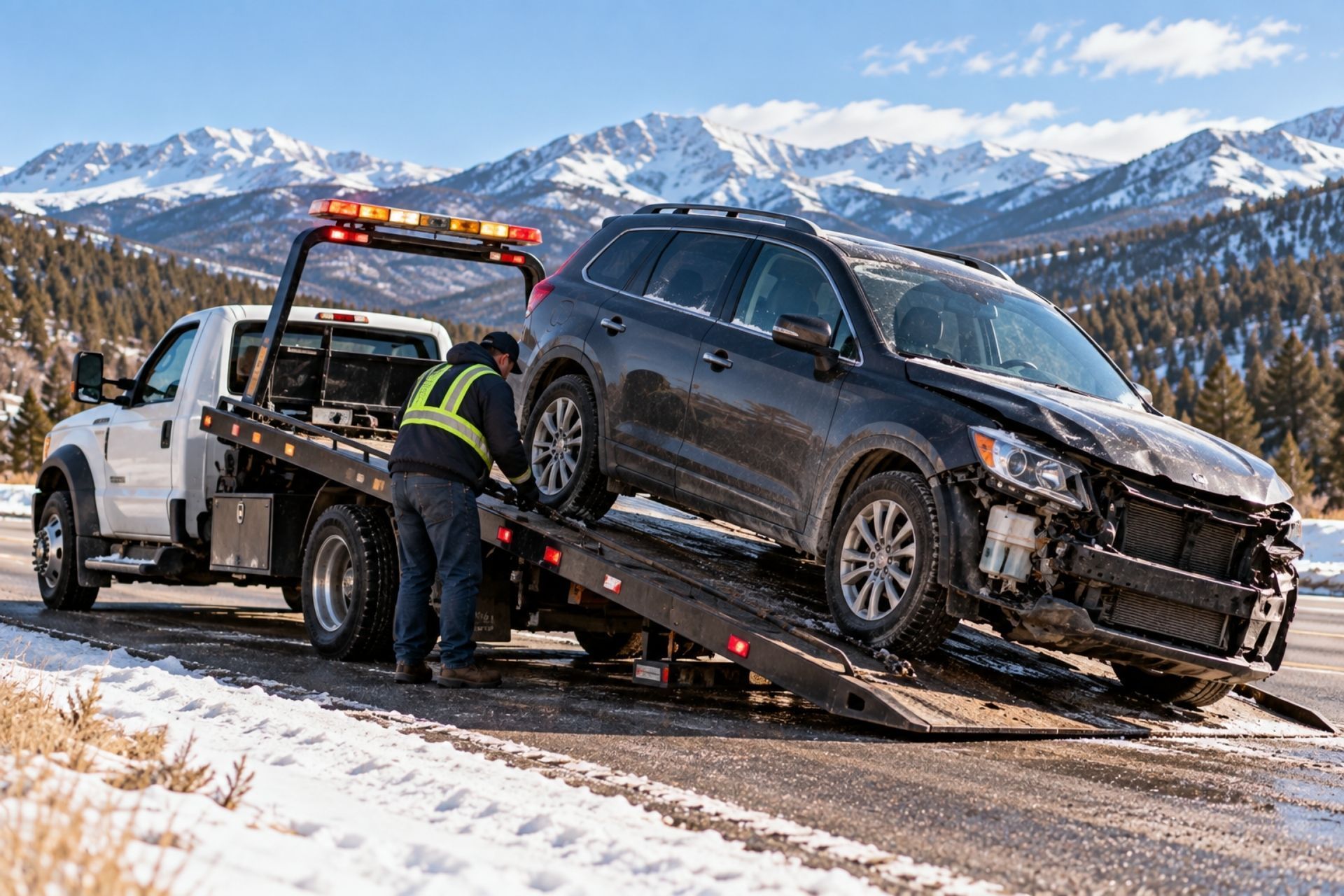
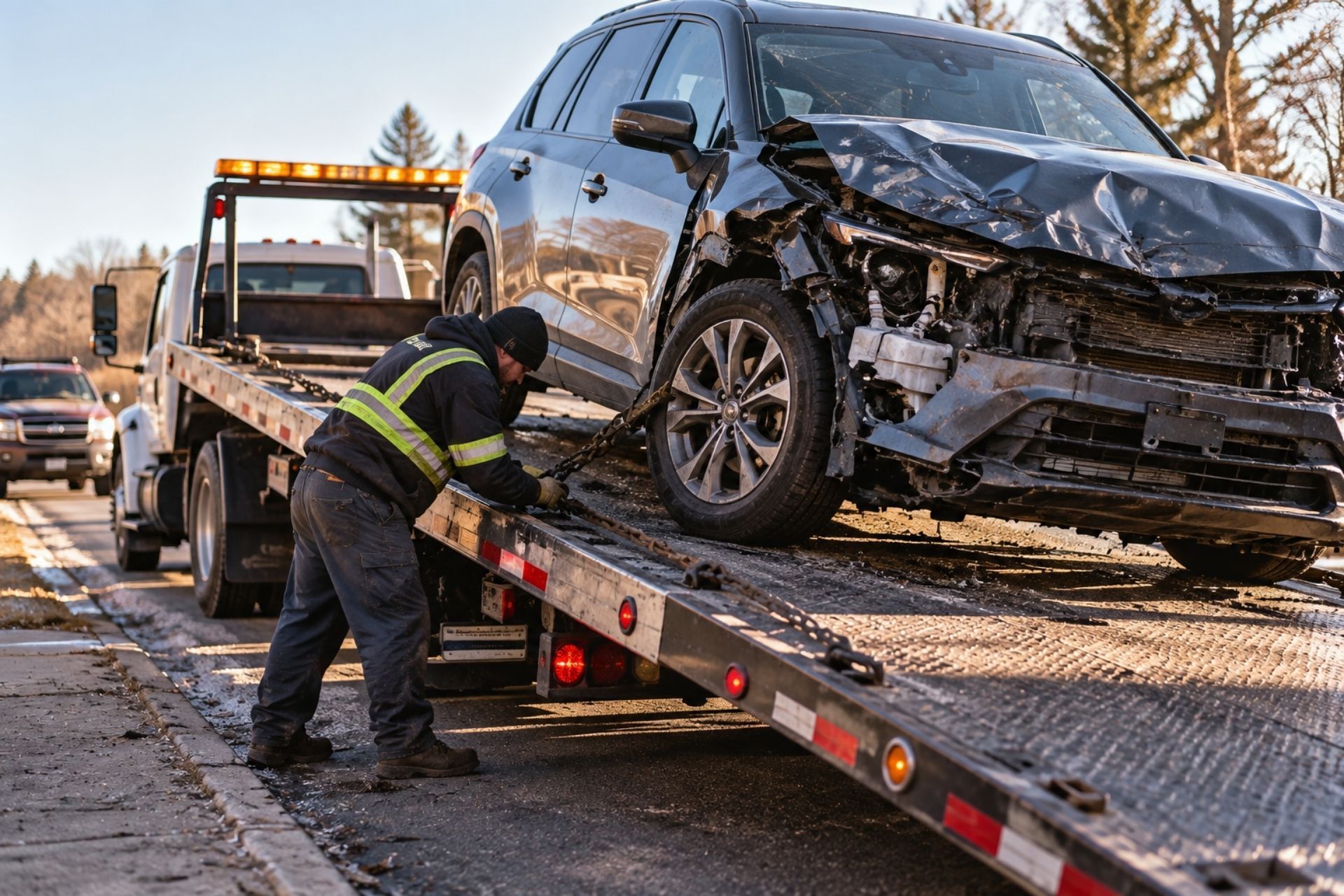
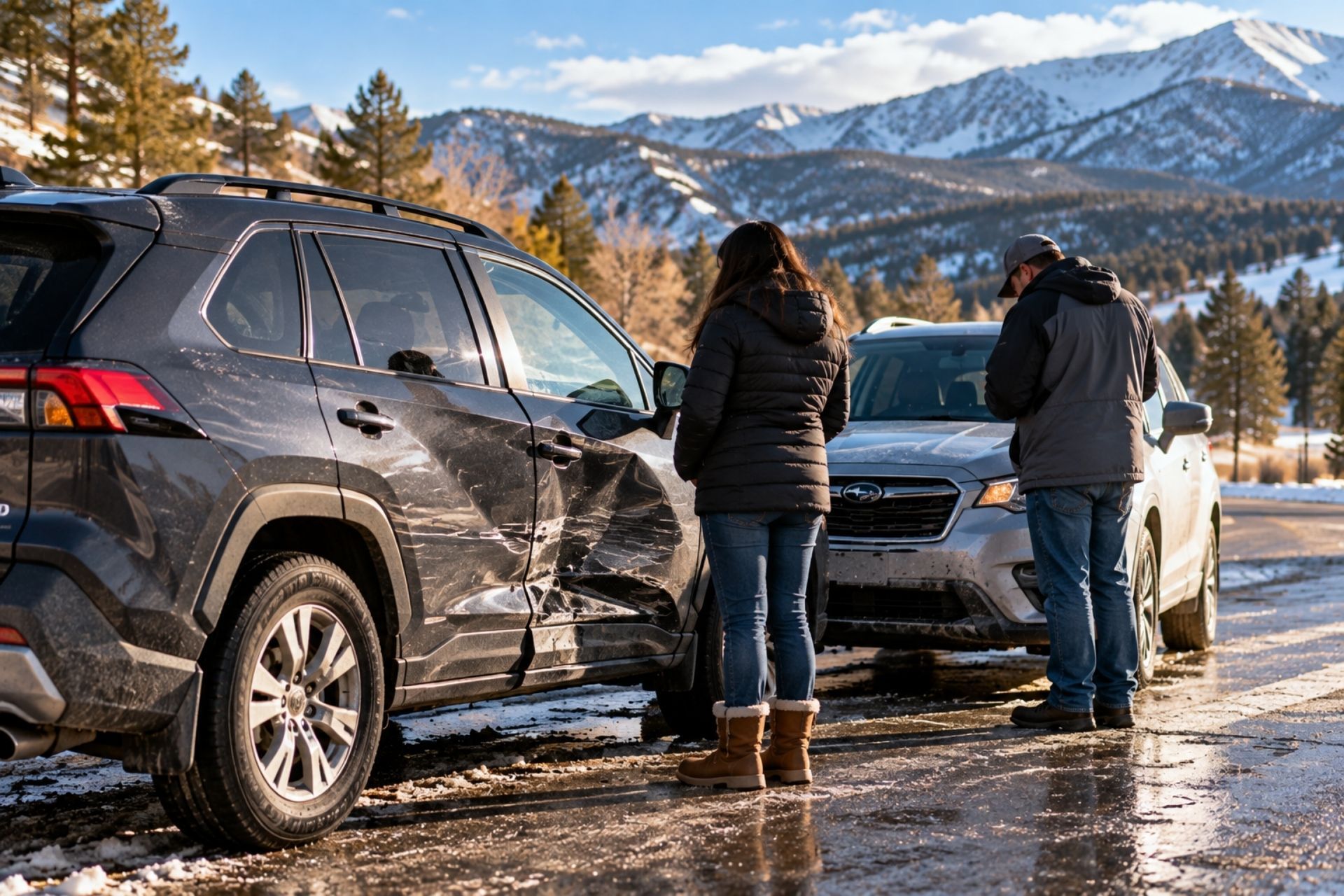
A fender bender on I-25 can rattle more than your nerves. Even after a body shop returns your car looking factory-fresh, the vehicle's market value has likely dropped, sometimes by thousands of dollars. Most Colorado drivers don't realize they can recover that lost value, or that the type of parts used in their repair directly affects how much they can claim. Understanding how OEM parts and diminished value intersect is critical for anyone who's been in a not-at-fault accident and wants to protect what their vehicle is actually worth. The repair receipt might say "complete," but the financial story is rarely that simple.
Colorado's status as a third-party diminished value state gives drivers real legal standing to pursue these claims, yet the process trips up plenty of people who don't know the rules, the deadlines, or the documentation they need. Whether you're driving a three-year-old SUV off a Littleton lot or a late-model truck through Fort Collins, the parts that go into your repair and the claim you file afterward can mean the difference between absorbing a loss and being made whole. Here's what Colorado drivers should know after repairs to avoid leaving money on the table.
Understanding Diminished Value in Colorado
Diminished value is the gap between what your vehicle was worth before an accident and what it's worth after repairs are complete. Even a flawless repair leaves a scar on your vehicle's history. Prospective buyers, dealerships, and trade-in appraisers all discount vehicles with accident histories, regardless of repair quality. That discount is your diminished value, and in Colorado, you have a legal right to recover it from the at-fault party's insurer.
The concept matters more than ever in 2026. Three-year-old vehicles are expected to retain roughly 58% of their original MSRP, which means a $45,000 vehicle holds about $26,100 in value. An accident history typically reduces a vehicle's resale value by 10% to 25%, costing you anywhere from $2,600 to $6,500. That's real money, and it's money you shouldn't have to eat if someone else caused the wreck.
The Difference Between Inherent and Repair-Related Loss
Two types of diminished value come into play. Inherent diminished value is the automatic loss in market value simply because the vehicle now has an accident on its record. No amount of perfect repair work eliminates this stigma. Repair-related diminished value, on the other hand, stems from the quality of the repair itself: visible paint mismatches, panel gaps, or the use of non-original parts.
Most claims focus on inherent diminished value because it applies universally. But repair-related loss can stack on top of it, especially when aftermarket components replace factory parts. If a shop installs a generic bumper that doesn't quite match the original paint texture, you're dealing with both types at once.
Colorado's Legal Standing on Third-Party Claims
Colorado is a third-party diminished value state, meaning you can pursue a claim against the at-fault driver's insurance carrier for your vehicle's lost market value. This is distinct from first-party claims (against your own insurer), which Colorado does not broadly recognize for diminished value.
The legal foundation here is strong. Colorado courts rely on the landmark ruling in Airborne, Inc. v. Denver Air Center (1992), which established that the proper measure of damages includes "cost of repair plus the residual diminution in value." Under C.R.S. § 13-80-101(1)(n), you have three years from the date of the accident to file a property damage claim, including diminished value. Don't sit on this timeline. Three years sounds generous until you realize how quickly paperwork, appraisals, and negotiations consume months.
The Impact of OEM vs. Aftermarket Parts on Resale Value
The parts used in your repair directly influence how much diminished value you can claim, and how much value your vehicle actually loses. This is where many drivers make costly mistakes by accepting whatever the insurance company's preferred shop installs without asking questions.
OEM (Original Equipment Manufacturer) parts are made by the same company that built the part originally installed in your vehicle. Aftermarket parts are produced by third-party manufacturers and may differ in fit, finish, material quality, and durability. Both can technically restore your car's function, but they don't carry the same weight in the eyes of buyers or appraisers.
Why Buyers Prefer Original Equipment Manufacturer Parts
Private buyers and dealerships consistently pay more for vehicles repaired with OEM components. The reasoning is straightforward: OEM parts guarantee the same specifications, tolerances, and materials as the originals. A Toyota bumper made by Toyota fits exactly like the one it replaced. An aftermarket bumper from a third-party supplier might fit close enough, but "close enough" shows up in panel gaps, paint adhesion, and long-term durability.
When a prospective buyer pulls a vehicle history report and sees an accident, their next question is almost always about repair quality. Knowing OEM parts were used provides reassurance that the repair met factory standards. This perception directly affects what someone will pay, which is exactly what diminished value measures.
How Aftermarket Parts Affect Your Vehicle's Carfax Report
Carfax and AutoCheck reports don't specifically flag whether OEM or aftermarket parts were used, but the repair invoices that feed into these reports tell a story. A detailed repair record showing aftermarket components can raise red flags for savvy buyers who request documentation. Dealerships running pre-purchase inspections will often note non-OEM parts, and that notation reduces their trade-in offer.
Here's the practical impact: if your insurer steers you toward aftermarket parts to save on the claim payout, you may save them money but cost yourself value on the back end. That trade-off is worth pushing back on, especially for vehicles under five years old where resale value is highest.
Comparing Repair Options and Value Retention
Not all repair paths are created equal, and the choice you make affects both your vehicle's real-world value and the strength of any diminished value claim you file.
| Factor | OEM Parts | Aftermarket Parts | Used/Salvage Parts |
|---|---|---|---|
| Fit and finish | Factory-exact match | Variable, sometimes imprecise | Wear-dependent |
| Warranty | Typically manufacturer-backed | Third-party warranty, varies | Rarely warranted |
| Effect on resale | Minimal additional loss | Measurable value reduction | Significant value reduction |
| Insurance preference | Higher cost to insurer | Lower cost, often pushed by adjusters | Lowest cost option |
| Diminished value claim strength | Strongest position | Weakened position | Weakest position |
The pattern is clear. OEM parts cost more upfront but preserve your vehicle's value and strengthen your diminished value claim. At The Insurance Loft, we regularly advise clients to review their auto policy's parts language before an accident happens. Some policies include OEM parts endorsements that guarantee factory components for repairs within a certain vehicle age. Knowing this before you're standing in a body shop makes a real difference.
Proving Your Claim to Colorado Insurance Adjusters
Filing a diminished value claim is one thing. Getting an insurance adjuster to take it seriously is another. Adjusters are trained to minimize payouts, and diminished value claims are often met with initial resistance or lowball offers. Your job is to build a case that's hard to argue with.
Documenting the Pre-Accident Condition
Start building your evidence immediately after the accident. You need to establish what your vehicle was worth before the collision, which means documenting its pre-accident condition as thoroughly as possible.
- Gather maintenance records showing consistent upkeep
- Pull your vehicle's Carfax or AutoCheck report to confirm a clean history prior to the accident
- Collect photos of the vehicle before the accident (check your phone's photo library, social media posts, or dealership listing photos if recently purchased)
- Note the mileage at the time of the accident and compare it to average mileage for the model year
The stronger your documentation of the vehicle's pre-accident condition, the harder it becomes for an adjuster to argue the vehicle wasn't worth what you say it was. This is especially true for well-maintained vehicles with low mileage or premium trim levels.
Obtaining a Professional Diminished Value Appraisal
A professional diminished value appraisal is your most powerful tool. Independent appraisers who specialize in diminished value will inspect your vehicle, review the repair records, analyze comparable sales data, and produce a formal report quantifying the loss.
These appraisals are a critical investment that can pay for themselves many times over. An adjuster can dismiss your personal estimate. Dismissing a credentialed appraiser's report backed by market data is much harder, especially if the claim ends up in Colorado's Small Claims Court, which allows recovery of up to $7,500 for diminished value claims that insurers deny or undervalue.
One thing to keep in mind: choose an appraiser who is independent from both the insurance company and the body shop. Conflicts of interest undermine credibility fast.
Common Questions About Colorado Vehicle Claims
Can I file a diminished value claim if the accident was partially my fault? Colorado follows a modified comparative fault rule. You can still file a claim as long as you were less than 50% at fault, though your recovery will be reduced by your percentage of fault.
Does my own insurance company owe me for diminished value? Generally, no. Colorado recognizes diminished value as a third-party claim against the at-fault driver's insurer, not against your own carrier.
How long do I have to file? You have three years from the accident date under Colorado's statute of limitations for motor vehicle property damage. That said, filing sooner produces better results because vehicle values depreciate naturally over time.
Will filing a diminished value claim raise my insurance rates? No. You're filing against the other driver's insurance, not your own. Your rates shouldn't be affected.
What if the insurer denies my claim entirely? You can take the claim to Colorado's Small Claims Court for amounts up to $7,500. Many drivers recover fair compensation this way, especially with a professional appraisal in hand.
Should I accept the first settlement offer? Almost never. Initial insurance offers are frequently 30% to 50% below actual market loss. Counter with your appraisal and supporting documentation.
Protecting Your Automotive Investment
Your vehicle is likely the second-largest asset you own, and an accident you didn't cause shouldn't permanently reduce its value without compensation. The combination of OEM parts in your repair and a well-documented diminished value claim gives you the strongest possible position to recover what you're owed.
A few steps you can take right now: review your current auto policy for OEM parts coverage, keep your maintenance records organized, and photograph your vehicle periodically so you have pre-loss documentation ready if you ever need it. Working with an independent agency like The Insurance Loft means you can compare policies across carriers like Nationwide, Travelers, and Safeco to find coverage that includes the protections most drivers overlook, like OEM parts endorsements and adequate property damage limits.
Don't wait until you're arguing with an adjuster to learn how this works. Talk to a licensed advisor, understand your policy, and know your rights under Colorado law. The drivers who recover fair diminished value are the ones who prepared before the accident happened.
Your Next Move
If you've recently been in an accident or want to make sure your current policy protects you properly, reach out to The Insurance Loft. Our licensed advisors can walk you through your coverage, explain your OEM parts options, and help you understand what a diminished value claim could look like for your specific vehicle. One conversation now can save you thousands later.
Recent Posts
Let’s work together
Call Us
800-409-9790
Email Address
info@theinsuranceloft.com
Address Business
123 High St London, United Kingdom