
See How We're Different
Call Us: 1-800-409-9790
Colorado Tesla owners face a unique insurance challenge: they're driving some of the safest, most technologically advanced vehicles on the road, yet they're paying some of the highest premiums in the country. While the average Colorado driver pays somewhere between $1,754 and $3,203 annually for full coverage, Tesla owners can expect to pay significantly more. The national average for Tesla insurance sits around $4,149 per year, or roughly $346 monthly, and Colorado's higher-than-average repair costs and weather-related claims push those numbers even higher.
The good news? You have more options than ever for covering your Tesla in Colorado. Between Tesla's own real-time insurance program, traditional carriers with EV expertise, and state incentives that can offset costs, smart shopping can save you thousands annually. The key is understanding which coverage options actually matter for electric vehicles and which carriers genuinely understand the technology under your hood. Having helped countless Colorado Tesla owners find the right coverage at The Insurance Loft, I've seen firsthand how much rates can vary, sometimes by $1,500 or more for identical coverage, simply based on which carrier you choose and how you structure your policy.
The Colorado Landscape for Tesla Insurance
Average Tesla Premiums in the Centennial State
Colorado presents a mixed bag for Tesla owners. On one hand, the state's EV-friendly policies and growing charging infrastructure make it an ideal place to own an electric vehicle. On the other, several factors push insurance costs above national averages.
Expect to pay between $3,800 and $5,200 annually for comprehensive Tesla coverage in Colorado, depending on your model, location, and driving history. Model Y owners typically see the lowest premiums among Tesla vehicles, while Model S Plaid and Model X owners pay at the higher end. Denver metro drivers generally pay 15-25% more than those in Colorado Springs or Fort Collins due to higher theft rates and traffic density.
Factors Affecting Colorado EV Rates
Several Colorado-specific factors influence your Tesla premium. Hail damage claims spike dramatically along the Front Range, particularly from May through August. Insurers know this and price accordingly, especially for vehicles with aluminum body panels and glass roofs that cost more to repair than traditional steel.
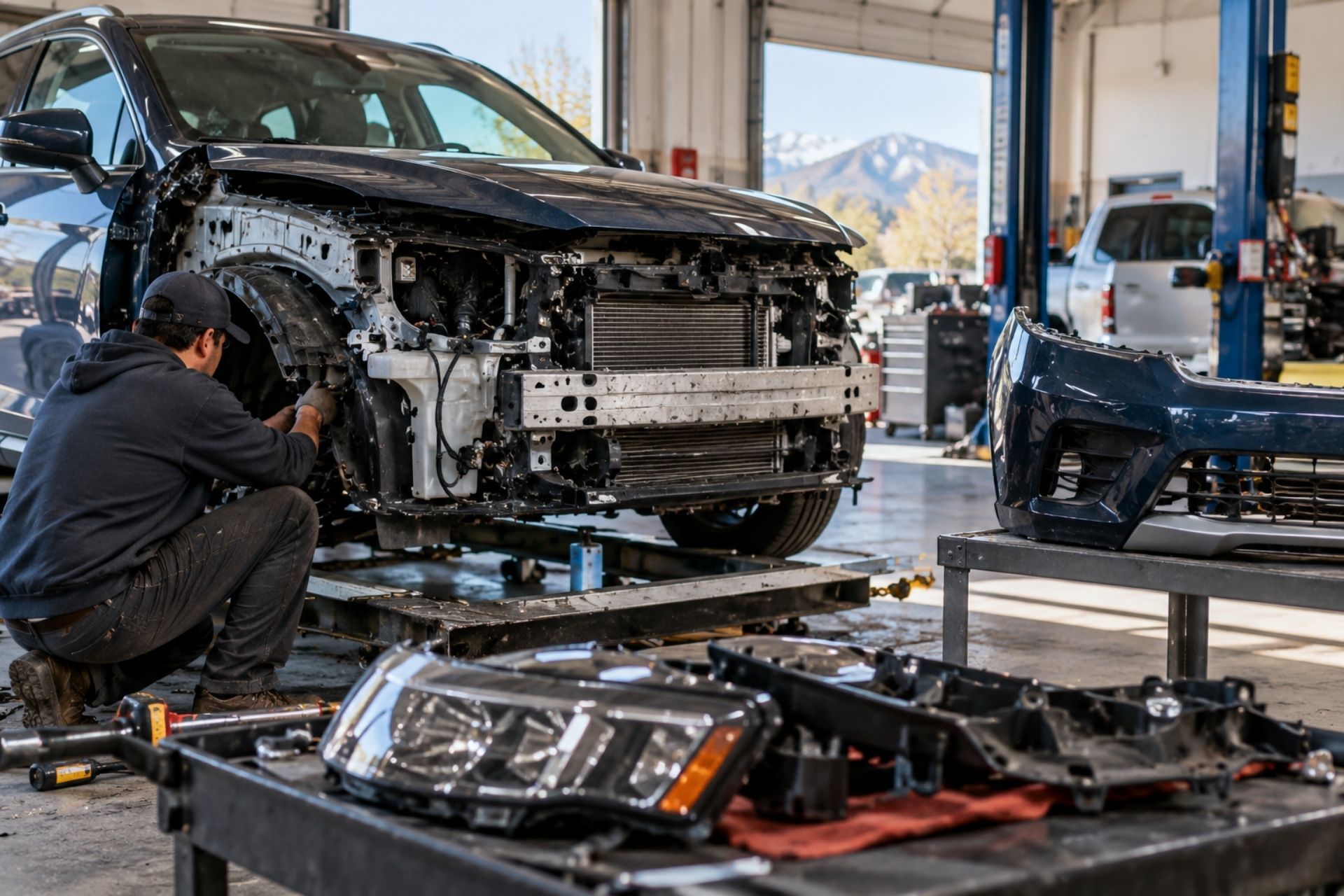
Repair costs hit Tesla owners particularly hard here. Colorado has a limited number of Tesla-certified body shops, which means longer repair times and higher labor rates. A fender repair that might cost $2,000 on a Honda can easily run $6,000 or more on a Tesla Model 3 due to specialized parts, calibration requirements, and the need for certified technicians.
Winter driving conditions also factor in. While Teslas handle well in snow with proper tires, the state's mountain passes and icy conditions contribute to higher collision claim frequencies during winter months.
Top-Rated Insurance Carriers for Colorado Tesla Owners
Tesla Real-Time Insurance vs. Traditional Providers
Tesla Insurance launched in Colorado offering something no traditional carrier can match: a Safety Score that directly impacts your monthly premium. Tesla calculates this score using factors like hard braking, aggressive turning, following distance, and speeding, pulling data directly from your vehicle. Score above 90, and you'll see meaningful discounts. Score below 70, and you might pay more than traditional insurance.
The appeal is obvious: good drivers get rewarded immediately rather than waiting years for accident-free discounts. The downside? Tesla Insurance lacks the bundling options that can save you money when combining home and auto coverage. It also doesn't offer the same claims experience or agent support you'd get from established carriers.
For drivers who consistently score well and only need auto coverage, Tesla Insurance often delivers the lowest rates. For everyone else, traditional carriers frequently come out ahead, especially when bundling discounts apply.
Best National Carriers for High-Value EVs
Several national carriers have developed genuine expertise in EV coverage. Travelers, Nationwide, and Safeco all offer competitive Tesla rates in Colorado, with specific endorsements for EV-related coverage gaps.
Chubb stands out for high-value Tesla models, particularly the Model S and Model X. Their agreed-value policies protect against depreciation disputes, and their claims process includes access to Tesla-certified repair facilities.
Progressive has become increasingly competitive for Tesla coverage, particularly for drivers with less-than-perfect credit scores. Their Snapshot program offers usage-based discounts that can rival Tesla's Safety Score savings.
Working with an independent agency like The Insurance Loft gives you access to quotes from multiple carriers simultaneously. We've seen cases where the difference between the highest and lowest quote for identical coverage exceeded $2,000 annually, making comparison shopping essential.
Essential EV-Specific Coverage Options
Battery Replacement and High-Voltage Hardware Protection
Your Tesla's battery pack represents roughly 30-40% of the vehicle's total value. Standard comprehensive coverage typically includes battery damage, but the details matter enormously.
Some policies exclude battery degradation below a certain threshold, treating capacity loss as normal wear rather than a covered loss. Others limit coverage for damage caused by improper charging or third-party modifications. Before signing any policy, confirm that your battery is covered for collision damage, fire, theft, and electrical failure.
High-voltage components beyond the battery also need attention. The drive units, power electronics, and thermal management systems can cost $8,000-15,000 to replace. Ensure your policy covers these components at replacement cost rather than actual cash value, which factors in depreciation.
Wall Connector and Home Charging Station Coverage
Your home charging setup likely isn't covered by your auto policy, and many homeowners policies exclude or limit coverage for EV charging equipment. A Tesla Wall Connector costs $400-500 to replace, but professional installation can run another $1,000-2,500 depending on your electrical panel's capacity and distance from the garage.
| Coverage Type | What It Protects | Typical Limit | Where to Find It |
|---|---|---|---|
| Homeowners Policy | Wall Connector hardware | Often excluded or $500 max | Requires endorsement |
| Equipment Breakdown | Electrical failure | Varies by policy | Add-on rider |
| Auto Policy | Portable charging cables | Usually included | Comprehensive coverage |
| Umbrella Policy | Liability if someone trips on cord | $1M+ | Separate policy |
Ask your agent specifically about charging equipment coverage. Many carriers now offer EV endorsements that bundle this protection affordably.
Gap Insurance and New Car Replacement
Teslas depreciate faster than many owners expect, particularly in the first two years. If you financed or leased your vehicle, gap insurance covers the difference between what you owe and what your car is worth if it's totaled.
New car replacement coverage goes further, paying to replace your totaled Tesla with a brand-new equivalent model regardless of depreciation. For a vehicle that might lose 20-30% of its value in year one, this coverage can mean the difference between a $15,000 check and a new car.
Impact of Tesla Safety Scores on Colorado Premiums
Tesla's Safety Score system has fundamentally changed how some Colorado drivers approach their daily commute. The scoring algorithm weighs five factors: forward collision warnings per 1,000 miles, hard braking events, aggressive turning, unsafe following distances, and forced Autopilot disengagement.
Drivers who consistently score 95 or above can see discounts of 30-40% compared to baseline rates. Those scoring below 70 might actually pay more than they would with traditional insurance. The system updates monthly, so one bad week of hard braking on icy roads can spike your premium for 30 days.
Colorado's driving conditions make maintaining high scores challenging. Mountain driving often triggers aggressive turning warnings on switchbacks. Winter weather leads to more hard braking events. Stop-and-go traffic on I-25 can hurt following distance scores.
If you're considering Tesla Insurance, spend a month monitoring your Safety Score before switching. The data might reveal driving habits you can improve, or it might show that traditional insurance makes more financial sense for your situation.
Maximizing Savings and Local Colorado Incentives
Stacking State EV Tax Credits with Insurance Discounts
Colorado remains one of the most EV-friendly states for incentives. The state offers a base Innovative Motor Vehicle Credit of $750 in 2026 for eligible new EVs, which can help offset your first year's insurance costs.
Income-qualified residents can access even more substantial savings through the Vehicle Exchange Colorado program, which offers rebates of up to $9,000 for new EVs when replacing older, higher-emission vehicles. State officials have emphasized their commitment to these programs, noting that they want to help ensure "low- and moderate-income Coloradans can continue to have access to electric vehicles."
While these credits don't directly reduce insurance premiums, they free up budget that can be allocated toward better coverage or higher deductibles that lower monthly costs.
Usage-Based Insurance Benefits for Low-Mileage Drivers
If you're driving fewer than 7,500 miles annually, usage-based insurance programs can slash your premiums by 25-40%. Many Colorado Tesla owners who work remotely or use their EV primarily for local errands qualify for these discounts.
Progressive's Snapshot, Nationwide's SmartRide, and similar programs track actual mileage and driving behavior. Combined with Tesla's built-in data capabilities, these programs offer transparency that benefits safe, low-mileage drivers.
Frequently Asked Questions
Does Tesla Insurance cover Autopilot-related accidents? Yes, Tesla Insurance covers accidents that occur while Autopilot is engaged, treating them the same as any other collision claim.
Can I insure aftermarket wheels and modifications on my Tesla? Most standard policies limit coverage for modifications. Ask about a custom equipment endorsement to cover aftermarket wheels, wraps, or performance upgrades.
How does living at altitude affect my Tesla insurance rates? Altitude itself doesn't impact rates, but mountain communities often have higher premiums due to wildlife collisions, winter driving conditions, and longer emergency response times.
Will installing a dashcam lower my Tesla premium? Tesla's built-in Sentry Mode and dashcam features don't directly lower premiums, but footage can prove invaluable in disputed claims, potentially saving you from at-fault determinations.
Should I choose a higher deductible to lower my Tesla insurance costs? For drivers with emergency savings, raising your deductible from $500 to $1,000 can reduce premiums by 10-15% annually. Just ensure you can comfortably cover the deductible if needed.
Making the Right Coverage Choice
Finding the right Tesla insurance in Colorado requires balancing EV-specific coverage needs against competitive pricing. The carriers that understand electric vehicles, offer appropriate battery and charging equipment protection, and reward safe driving habits will serve you best long-term.
Start by getting quotes from Tesla Insurance to establish your Safety Score baseline, then compare against traditional carriers who can bundle home and auto coverage. An independent brokerage like The Insurance Loft can run these comparisons simultaneously, often uncovering savings that direct-to-consumer shopping misses.
Your Tesla represents a significant investment in technology and sustainability. Protecting it with coverage designed for electric vehicles, from a carrier that understands the unique repair and replacement costs involved, ensures you're back on Colorado roads quickly after any incident.
Recent Posts
Let’s work together
Call Us
800-409-9790
Email Address
info@theinsuranceloft.com
Address Business
123 High St London, United Kingdom