
See How We're Different
Call Us: 1-800-409-9790
Sudden vs Gradual Water Damage: What Colorado Home Insurance Typically Covers
A burst pipe at 2 a.m. on a January night in Littleton is a very different insurance claim than the slow drip behind your bathroom wall that's been quietly rotting drywall for three years. Both involve water. Both cause real damage. But your homeowners policy treats them in completely opposite ways, and misunderstanding the distinction is one of the most expensive mistakes Colorado homeowners make.
Water-related incidents account for roughly 43% of all homeowners insurance claims in Colorado, with average payouts often reaching five figures. That's a staggering share of all claims, and it means your insurer has very specific rules about what qualifies for coverage. The core question: was the damage sudden and accidental, or was it gradual and preventable? Your answer determines whether you get a check or a denial letter.
Colorado's unique climate, from hard freezes along the Front Range to spring snowmelt in the mountains, creates water damage risks you won't find in most other states. Understanding how your policy draws the line between covered and excluded water events isn't just useful information. It's the difference between a manageable inconvenience and a financial disaster. Here's what you need to know to protect your home and your wallet.
Understanding Sudden and Accidental Water Damage
Standard homeowners insurance policies in Colorado, whether through Travelers, Safeco, Nationwide, or another carrier, are built around one principle for water damage: if it was sudden and accidental, it's likely covered. The policy language typically uses phrases like "sudden and accidental discharge" to describe the types of water events that qualify.
This means the damage had to happen unexpectedly and all at once, not over days, weeks, or months. Your insurer wants to see that you couldn't have reasonably prevented the event through normal home maintenance. Think of it as the difference between a car accident (sudden, unforeseeable) and worn brake pads finally failing (gradual, preventable).
Common Examples: Burst Pipes and Appliance Failures
The classic covered scenario is a pipe that bursts without warning. You come home from work and find your basement under six inches of water. Other commonly covered events include:
- A washing machine supply hose that suddenly ruptures
- A water heater tank that fails and floods the utility room
- An ice dam that causes water to back up under your roof shingles and into your attic
- A toilet supply line that snaps
In each case, the key factor is the same: the failure was immediate, not the result of long-term neglect. If your plumber confirms the pipe was in good condition and simply failed due to a pressure spike or freeze event, your claim stands on solid ground.
Why Colorado Carriers Prioritize 'Sudden' Events
Colorado insurers draw a hard line on "sudden" because of the state's climate and risk profile. The Front Range sees dramatic temperature swings, sometimes 40 degrees in a single day, that stress plumbing systems in ways that are genuinely unpredictable. Carriers expect these events. They price for them.
What they don't want to price for is deferred maintenance. If every slow leak and neglected caulk job qualified for a payout, premiums would be even higher than they already are. And Colorado premiums have been climbing steadily thanks to hail, wildfire, and yes, water claims. By limiting coverage to sudden events, carriers keep the system functioning for everyone.
The Challenges of Gradual Water Damage Claims
Here's where most homeowners get an unpleasant surprise. You discover water staining on a ceiling, call your insurer, and an adjuster comes out. They determine the leak has been active for months, maybe longer. Your claim gets denied. This happens constantly, and it's the single most common source of frustration in Colorado water damage disputes.
The 'Wear and Tear' Exclusion Explained
Every standard homeowners policy includes a wear and tear exclusion. This clause specifically removes coverage for damage that results from aging, deterioration, or lack of maintenance. Your roof doesn't last forever. Neither do supply lines, faucet seals, or grout in your shower.
When an adjuster finds evidence that a leak developed slowly, such as mineral deposits around a joint, mold growth patterns that indicate weeks of moisture, or water stains with distinct "rings" showing repeated wetting and drying, they'll classify it as gradual. The Colorado Division of Insurance confirms that standard policies exclude damage from ongoing maintenance failures, and this is one of the most commonly misunderstood coverage gaps.
Slow Leaks, Seepage, and Hidden Rot
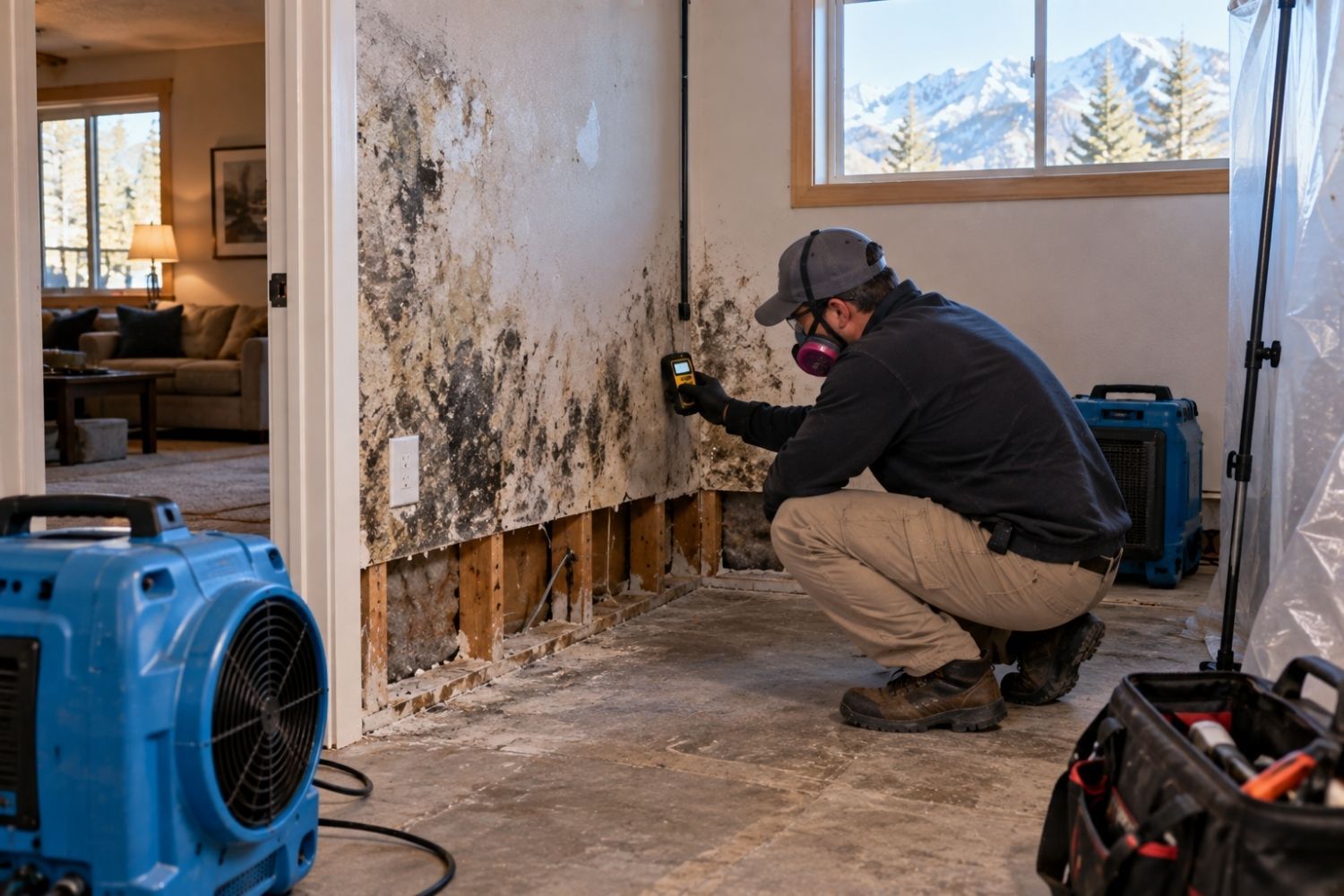
The frustrating part is that many gradual leaks are genuinely hidden. A pinhole leak inside a wall cavity can run for months before you see any visible sign. By the time you notice the warped baseboard or musty smell, you might be looking at thousands of dollars in structural damage and mold remediation.
Unfortunately, "I didn't know about it" usually isn't enough to change the coverage determination. Insurers will argue that regular home inspections and maintenance would have caught the problem sooner. One Boulder homeowner shared their experience with a denied claim for a slow leak that had been active behind a wall for over a year, resulting in significant out-of-pocket repair costs. This is a scenario we see regularly at The Insurance Loft when reviewing coverage with Colorado clients.
Comparison: Covered vs. Non-Covered Water Events
The distinction between sudden and gradual water damage can feel blurry until you see specific examples side by side. The reality is that the same type of water source, a pipe, an appliance, even rain, can produce either a covered or excluded claim depending entirely on how the damage developed.
Comparison Chart: Event Type and Coverage Status
| Water Event | Typically Covered? | Why? |
|---|---|---|
| Pipe bursts suddenly during a freeze | Yes | Sudden and accidental |
| Pipe leaks slowly at a corroded joint | No | Gradual deterioration |
| Washing machine hose ruptures | Yes | Unexpected mechanical failure |
| Dishwasher drips from a worn seal | No | Maintenance/wear and tear |
| Water heater tank fails catastrophically | Yes | Sudden event |
| Water heater slowly rusts and seeps | No | Gradual corrosion |
| Storm drives rain through broken window | Yes | Sudden weather event |
| Rain enters through aging, cracked roof | No | Deferred maintenance |
| Sewer backs up into basement | Only with rider | Requires separate endorsement |
| Exterior flooding from heavy rain | No | Requires separate flood policy |
This chart captures most of the scenarios Colorado homeowners encounter. Notice that flood damage from external water sources is excluded from standard homeowners policies entirely and requires a separate flood insurance policy, whether through FEMA's NFIP or a private carrier.
Colorado-Specific Risks and Policy Add-Ons
CColorado's geography and climate create water damage risks that don't exist in most states. Homes along the Front Range deal with rapid freeze-thaw cycles. Mountain properties face snowmelt and spring runoff. And homes throughout the Denver metro area, especially those with older plumbing, are vulnerable to sewer backup during heavy rain events.
Standard policies don't cover all of these risks by default. That's where endorsements, sometimes called riders, become essential.
Sewer Backup and Sump Pump Failure Riders
Sewer backup coverage is not included in a standard Colorado homeowners policy. You need a separate endorsement, and it typically costs between $40 and $75 per year for $10,000 to $25,000 in coverage. Given that a single sewer backup event can cause $10,000 or more in damage to a finished basement, this is one of the most cost-effective add-ons available.
Sump pump failure riders work similarly. If your sump pump fails during a heavy rain and your basement floods, a standard policy won't pay for it. The endorsement covers this specific scenario. At The Insurance Loft, we recommend both endorsements to virtually every Colorado homeowner, especially those with finished basements. The gap between flood damage and in-house water damage trips up homeowners more often than almost any other coverage issue.
Freezing Weather and Pipe Burst Prevention Requirements
Colorado's cold winters make pipe bursts a frequent claim, but your policy comes with strings attached. Most carriers require you to maintain heat in your home during winter months or drain the water system if you'll be away for an extended period. If you head to Arizona for three weeks in February and turn the heat off, a resulting pipe burst claim could be denied.
The specific requirements vary by carrier. Some require a minimum indoor temperature of 55°F. Others require you to have someone check the property every 48 to 72 hours during extended absences. Read your policy's "duties after loss" section carefully, because plumbing damage claims in Colorado often hinge on whether the homeowner met these conditions.
Frequently Asked Questions About Water Damage
Does my insurance cover a slow leak from my dishwasher?
No. Most policies classify a slow dishwasher leak as a maintenance issue rather than a sudden accident. If the seal or connection has been dripping over time, the resulting water damage falls under the wear and tear exclusion. Regular inspection of appliance connections is your best defense.
If my pipe freezes and bursts while I'm on vacation, am I covered?
Yes, provided you kept the heat on or drained the water system as required by your policy. Carriers include specific winter maintenance requirements, and failing to meet them gives your insurer grounds to deny the claim. Check your policy for minimum temperature requirements before leaving town.
Will insurance pay for mold caused by a water leak?
Mold is only covered if it resulted directly from a covered sudden water event. If a burst pipe causes mold because the area stayed wet for several days before you discovered it, that mold remediation is typically included. Mold from a long-term hidden leak? That's excluded along with the leak itself. Some policies also cap mold coverage at $5,000 to $10,000 even for covered events.
What should I do as soon as I find water damage?
Stop the source of water immediately, whether that means shutting off a valve, turning off an appliance, or calling a plumber. Document everything with photos and video before you start cleaning up. Then call your insurance agent right away. The steps you take in the first 24 hours significantly affect the outcome of your claim, so don't delay.
Protecting Your Colorado Home Long-Term
The gap between what homeowners expect their insurance to cover and what it actually covers is wider with water damage than almost any other peril. Knowing the difference between sudden and gradual water damage, and how Colorado home insurance handles each, puts you in a much stronger position to both prevent losses and file successful claims.
A few practical steps make a real difference. Inspect appliance hoses and supply lines annually, replacing any that show signs of cracking or wear. Know where your main water shutoff valve is. Consider installing water leak sensors in high-risk areas like under sinks, behind toilets, and near your water heater. These $20 devices can alert you to a leak before it becomes a $15,000 problem.
If you haven't reviewed your policy recently, now is the time. Make sure you have sewer backup and sump pump endorsements in place, and confirm your winter maintenance obligations. An independent agency like The Insurance Loft can compare your current coverage across multiple carriers to identify gaps and find better pricing. One conversation with a licensed advisor who understands Colorado's specific risks can save you thousands when the next water event hits, and in this state, it's not a question of if, but when.
Recent Posts

Let’s work together
Call Us
800-409-9790
Email Address
info@theinsuranceloft.com
Address Business
123 High St London, United Kingdom