
See How We're Different
Call Us: 1-800-409-9790
Colorado homeowners face a unique financial squeeze that most other states simply don't understand. Between the hailstorms that pummel Front Range rooftops every summer and the icy highways that turn winter commutes into white-knuckle affairs, insurance costs here have climbed faster than almost anywhere else in the country. Auto premiums rose 17% in 2023, while homeowner premiums jumped 23%, largely driven by severe weather claims that show no signs of slowing down.
Here's the reality: the average Colorado household spends roughly $3,100 a year on separate home and auto policies. That's a significant chunk of any family's budget, and it's money that could be working harder for you. Bundling home and auto insurance in Colorado represents one of the most straightforward ways to save money on coverage you already need. Some carriers offer discounts exceeding 25%, which translates to real dollars back in your pocket every single month.
But bundling isn't just about chasing the lowest price. Done right, it simplifies your entire insurance experience while potentially improving your coverage. Done wrong, you might end up with gaps that leave you exposed when Colorado's weather decides to remind you why you needed good insurance in the first place. This guide walks through exactly how to bundle your policies, what to watch for, and where Colorado residents can find the best value.
The Benefits of Bundling Insurance in the Centennial State
Maximizing Multi-Policy Discounts
The math on bundling is compelling. SelectQuote data shows average savings of $693 per year when Colorado residents combine their home and auto policies with a single carrier. Some insurers go even further. State Farm, for instance, offers the highest average bundling discount in Colorado at 26%, which works out to roughly $1,292 in annual savings for typical policyholders.
These aren't theoretical numbers pulled from marketing materials. They represent actual premium reductions that Colorado families are seeing on their monthly bills. The discount applies because insurers genuinely save money when they handle multiple policies for one household. Less paperwork, fewer customer service calls, and better customer retention all contribute to savings they're willing to share with you.
Simplifying Policy Management and Claims
Beyond the discount, there's something to be said for having one company, one app, one phone number, and one renewal date to track. When you're juggling separate carriers, it's easy to miss a payment deadline or forget when your auto policy renews versus your homeowners coverage.
Filing claims becomes simpler too. If a tree falls on both your house and your car during a spring storm, you're dealing with one adjuster and one claims process instead of two. At The Insurance Loft, we've seen clients save hours of frustration simply by consolidating their policies under one roof.
How Colorado's Climate Impacts Your Combined Rates
Protecting Against Hail and Wildfire Risks
Colorado's weather patterns directly influence what you'll pay for bundled coverage. The Front Range sees some of the most destructive hailstorms in the country, with baseball-sized hail causing millions in damage during peak season. Wildfire risk has also expanded dramatically, affecting not just mountain communities but suburban neighborhoods that never worried about fire before.
Insurers price these risks into your premiums. That's why Colorado's average annual cost for bundled home and auto insurance sits at $4,422, higher than the national average. Understanding this context helps you evaluate quotes more realistically. A bundle that seems expensive might actually be competitive once you factor in Colorado-specific hazards.
Winter Driving Hazards and Auto Coverage
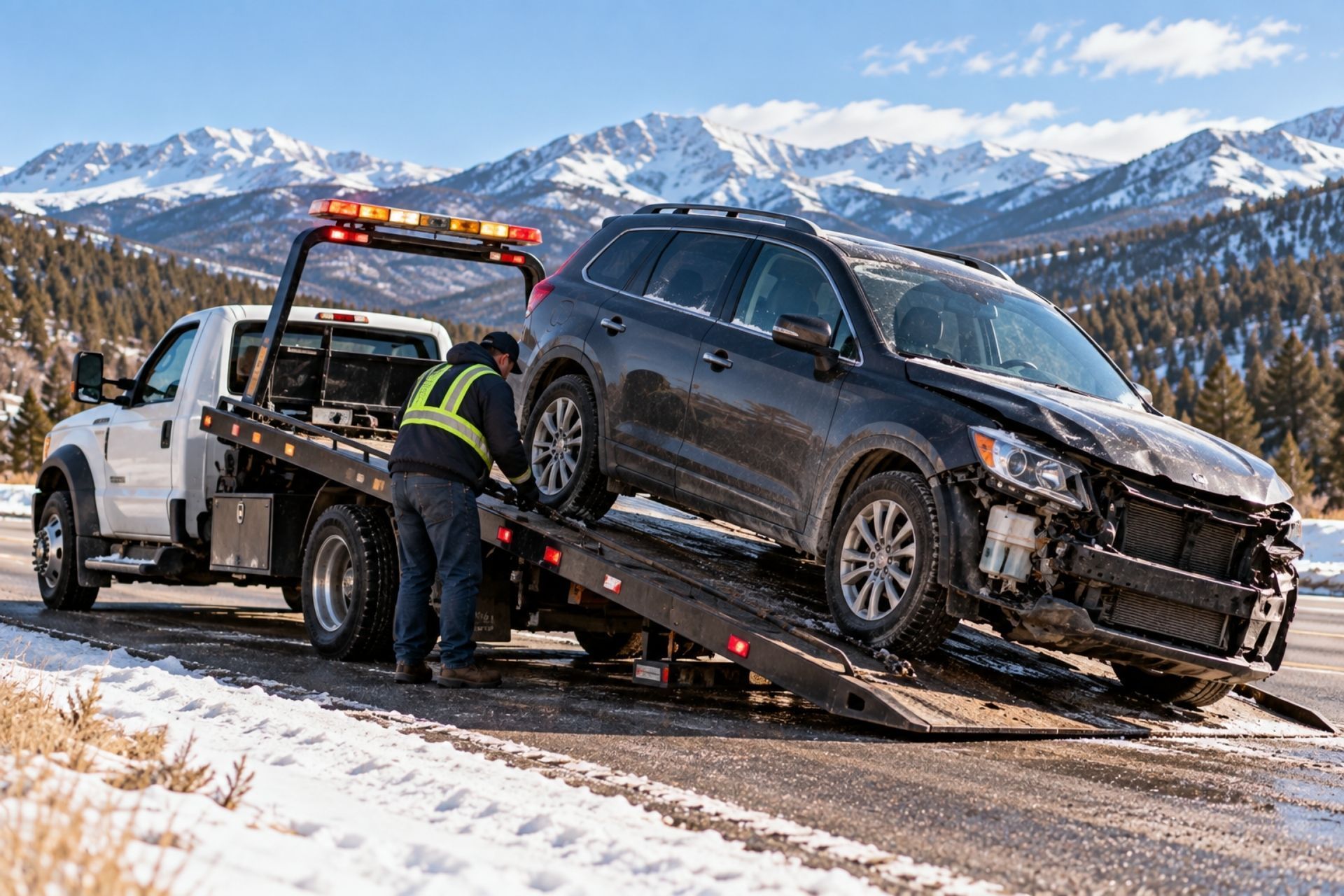
From November through April, Colorado highways become proving grounds for even experienced drivers. Black ice on I-70, whiteout conditions on mountain passes, and the inevitable pileups during the first snow of the season all contribute to higher auto insurance costs statewide.
Your bundled policy should account for these realities. Comprehensive coverage becomes essential rather than optional when your vehicle faces hail, deer crossings, and rock chips from sand trucks. Collision coverage matters more when winter driving increases accident frequency. The good news: bundling often makes it more affordable to carry the coverage levels you actually need.
Steps to Secure a Home and Auto Bundle
Comparing Quotes from Top Colorado Providers
Start by gathering at least three quotes from different insurers. Don't just check the big national names. Regional carriers and independent agencies often find better rates by shopping across multiple companies on your behalf.
Here's a quick comparison of bundling approaches:
| Approach | Pros | Cons |
|---|---|---|
| Direct from carrier | Simple process, brand recognition | Limited to one company's rates |
| Online comparison tool | Quick quotes, easy comparison | May miss regional carriers |
| Independent broker | Multiple carriers, personalized advice | Requires consultation |
Working with an independent agency like The Insurance Loft means you're not limited to whatever one carrier happens to offer. We work with Nationwide, Travelers, Progressive, Safeco, Chubb, Hagerty, and others, which means more options and more ways to find savings specific to your situation.
Evaluating Coverage Limits and Deductibles
Price matters, but coverage matters more. The cheapest bundle means nothing if it leaves you underinsured when disaster strikes. Pay attention to dwelling coverage limits on your home policy. Replacement costs have risen dramatically, and a policy written three years ago might leave you 20% short of what you'd actually need to rebuild.
On the auto side, consider whether minimum liability limits really protect your assets. Colorado requires just $25,000 per person in bodily injury liability, but a serious accident can easily exceed that. The right bundle balances affordability with adequate protection.
Avoiding Common Pitfalls When Switching Policies
Checking for Cancellation Fees
Before you switch carriers to bundle, check your current policies for cancellation penalties. Some insurers charge fees if you cancel mid-term, which can eat into your bundling savings. Others require written notice 30 days in advance.
Pull out your existing policy documents and look for the cancellation clause. If you're paying monthly, switching is usually straightforward. If you paid annually upfront, calculate whether the refund minus any fees still makes bundling worthwhile. Most of the time it does, but run the numbers first.
Ensuring No Gaps in Coverage
The worst mistake you can make when switching is creating a coverage gap. Even one day without insurance can cause problems. Your mortgage lender might force-place expensive coverage on your home. A car accident during an uninsured period could devastate your finances.
Coordinate your start dates carefully. Your new bundled policy should activate on the same day your old policies end. Most agents can help you time this correctly, but don't assume it happens automatically. Confirm the effective dates in writing before you cancel anything.
Additional Ways to Lower Your Colorado Premiums
Installing Impact-Resistant Roofing
Given Colorado's hail frequency, upgrading to impact-resistant roofing pays dividends beyond just avoiding damage. Many insurers offer premium discounts ranging from 5% to 15% for Class 4 impact-resistant shingles. Over a 20-year roof lifespan, these savings can offset a significant portion of the upgrade cost.
If you're already planning to replace your roof after hail damage, ask your contractor about impact-resistant options. Then notify your insurer once the work is complete. The discount won't apply automatically, so you'll need to provide documentation.
Leveraging Good Driver and Safety Device Discounts
Your driving record directly affects your bundle's auto portion. Maintain a clean record for three to five years, and most carriers will reward you with a good driver discount. Some offer additional savings for completing defensive driving courses, which can also help offset points from past violations.
Safety devices add up too. Anti-theft systems, dash cameras, smart home security, and water leak detectors can all trigger small discounts that compound when bundled together. Ask your agent specifically which devices qualify. The list varies by carrier, and you might already have qualifying equipment installed.
Finalizing Your Savings and Reviewing Your Bundle Yearly
Bundling your home and auto insurance in Colorado isn't a set-it-and-forget-it decision. Your circumstances change. Your home value fluctuates. You buy a new car or add a teenage driver. Each of these events affects your coverage needs and your premium.
Schedule an annual review with your agent, ideally 30 to 45 days before your renewal date. This gives you time to shop alternatives if your current carrier's rates have climbed. It also ensures your coverage limits still match your actual situation. As one industry expert notes, savings from bundling vary and depend on factors like home value, vehicle type, coverage limits, and location, so what worked last year might not be optimal today.
The Insurance Loft helps Colorado families navigate these annual reviews without the hassle of starting from scratch each time. Your dedicated advisor already knows your situation and can quickly identify whether your current bundle remains competitive or whether better options have emerged.
Frequently Asked Questions
How much can I actually save by bundling in Colorado? Most Colorado households save between $500 and $1,300 annually, depending on their coverage levels, location, and the carrier they choose. State Farm's 26% average discount represents the high end, but even modest discounts of 10-15% add up over time.
Will bundling affect my coverage if I need to file a claim? No. Your home and auto policies remain separate coverage contracts even when bundled. A claim on one doesn't automatically affect the other, though your overall relationship with the carrier matters for renewal decisions.
Can I bundle if I rent instead of own my home? Yes. Most carriers offer renters insurance bundles with auto policies. The discounts are typically smaller since renters policies cost less, but savings of $100-200 annually are common.
What if one carrier has the best auto rate but another has the best home rate? Run the numbers both ways. Sometimes the bundling discount makes a single carrier cheaper overall, even if their individual policy rates aren't the lowest. Other times, keeping policies separate genuinely saves more.
How often should I shop for new bundle quotes? Annually at minimum, and whenever you experience major life changes like buying a new home, adding a vehicle, or having a teenager start driving. Markets shift, and the best deal this year might not be the best deal next year.
Recent Posts

Let’s work together
Call Us
800-409-9790
Email Address
info@theinsuranceloft.com
Address Business
123 High St London, United Kingdom